Soğan ve Sarımsak Nasıl Saklanmalı? – Kompletny przewodnik i sekrety kuchni
Poznaj sprawdzone techniki kulinarne, tradycje i naukowe podstawy przygotowania Soğan ve Sarımsak Nasıl Saklanmalı? w kuchni cypryjskiej.
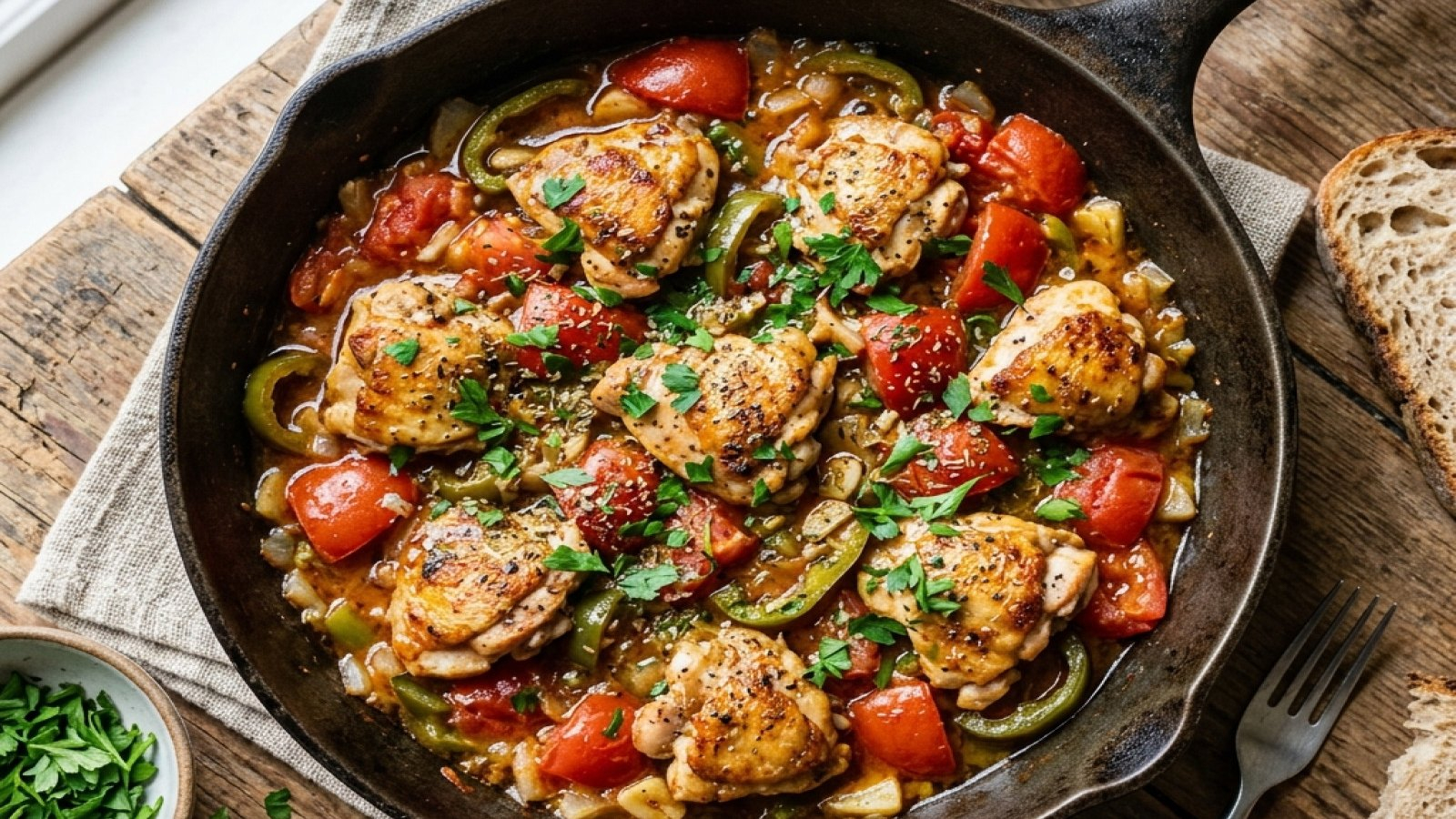
Soğan ve Sarımsak Nasıl Saklanmalı? – Kompletny przewodnik i sekrety kuchni
Poznaj sprawdzone techniki kulinarne, tradycje i naukowe podstawy przygotowania Soğan ve Sarımsak Nasıl Saklanmalı? w kuchni cypryjskiej.
Wprowadzenie i dziedzictwo kulinarne
W tradycyjnej kuchni śródziemnomorskiej i cypryjskiej kluczem do doskonałego smaku jest szacunek dla najwyższej jakości składników oraz precyzyjna kontrola temperatury. Czy to przy suszeniu sezonowych warzyw w słońcu Cypru, czy przy wolnym pieczeniu w tradycyjnych piecach glinianych – każdy krok opiera się na wielowiekowym doświadczeniu.
Kuchnia tego regionu to doskonała harmonia zdrowych tłuszczów, aromatycznych dzikich ziół i świeżych warzyw. Połączenie oliwy z oliwek extra virgin, dojrzałych pomidorów i dań z roślin strączkowych stanowi fundament zdrowego stylu życia.
Naukowe zasady przygotowania
Aby zawsze osiągać powtarzalne i zachwycające rezultaty, warto pamiętać o kilku podstawowych regułach:
- Kontrola ciepła i wilgotności: Równomierna temperatura zapobiega wysuszaniu delikatnych składników i sprzyja powstawaniu głębokich aromatów.
- Równowaga kwasowości i tłuszczu: Sok z cytryny, ocet z dzikich jabłek lub melasa z granatów równoważą bogatą oliwę i zmiękczają włókna mięsa.
- Dzikie zioła śródziemnomorskie: Tymianek, mięta i oregano uwalniają swoje olejki eteryczne pod wpływem delikatnego ciepła.
Instrukcja przygotowania krok po kroku
- Przygotowanie (Mise en place): Umyj, osusz i pokrój wszystkie składniki przed rozpoczęciem gotowania. Używaj ciężkich naczyń żeliwnych dla stabilnego rozprowadzania ciepła.
- Delikatne podsmażanie: Cebulę i czosnek duś na małym ogniu na złoty kolor, aby wydobyć naturalną słodycz bez goryczki.
- Wolne duszenie: Daj potrawom czas na powolne gotowanie w niskiej temperaturze, aby smaki mogły się w pełni przeniknąć.
- Doprawianie przed podaniem: Sól morską i świeże zioła dodawaj pod koniec, aby zachować ich świeżość.
Porady szefa kuchni i najczęstsze błędy
- Nie przepełniaj patelni, aby składniki smażyły się, a nie gotowały na parze.
- Pozwól mięsu odpocząć kilka minut po usmażeniu, aby soki równomiernie się rozprowadziły.
- Przechowuj pozostałości potraw w szczelnych szklanych pojemnikach w lodówce.
Traditional Cypriot Techniques and Island Cooking Methods
The timeless secret of Cypriot cuisine lies in cooking techniques that honor the purity of fresh ingredients through patient, measured preparation. Rather than rushing with aggressive high heat, island home chefs rely on heavy cast-iron cookware or traditional earthenware casseroles simmered over low flames. In classic stew preparations, finely diced onions and local garlic are gently sweated without browning, preserving the delicate, fruity undertones of extra-virgin olive oil. As meats and vegetables simmer gently in their own natural juices, wild mountain herbs and sun-dried bay leaves infuse the broth with deep Mediterranean warmth. When baking, covered ceramic dishes lock in moisture, ensuring that cuts remain succulent and garden vegetables cook through to tender perfection.
Sourcing Geographical Heritage Produce in Cyprus
Blessed by a distinct microclimate, Cyprus yields some of the most aromatic agricultural produce in the eastern Mediterranean basin. Cold-pressed extra-virgin olive oil extracted from century-old groves on the foothills of Kyrenia and the Karpas peninsula forms the foundation of every meal while adding a vibrant golden finish when drizzled before serving. Herbs such as crushed coriander seeds, wild mountain thyme, hand-picked sumac, and fragrant dried mint are balanced to elevate main ingredients rather than overpower them. Fresh citrus freshly squeezed from Morphou orchards lends a crisp, sun-drenched acidity that brings brightness to hearty casseroles, roasted meats, and seafood marinades alike.
Home Chef Tips for Ingredient Storage & Freshness
When cooking island-inspired recipes at home, maintaining moisture balance and ingredient freshness is essential for authentic flavor. Produce selected from weekly farmers markets in Nicosia and Famagusta stays crisp and fragrant when wrapped in clean cotton cloths before storage. Heritage cheeses such as halloumi and fresh anari should be stored in natural brine or airtight glass containers to preserve their delicate curd elasticity. Resting cooked dishes overnight in a cool pantry or refrigerator allows aromatic oils to settle, deepening flavor complexity as celebrated in traditional village feasts.
Mediterranean Table Traditions & Dining Etiquette
In Cypriot culture, a meal is never a solitary affair; it is a lively celebration of hospitality, family unity, and shared abundance. Dishes are traditionally presented on communal hand-crafted ceramic platters at warm room temperature to allow each layer of flavor to be appreciated fully. Accompaniments such as crusty village bread, cracked green chakistes olives, crisp wild arugula, and cool cucumber-yogurt dip complete the table spread. By uniting authentic island ingredients with patient cooking craftsmanship, you bring the enduring spirit of Cyprus directly into your home.
Şefin Tavsiyesi · Ekipman
Bu Rehberde Önerilen Profesyonel Mutfak Ekipmanları
Rehberimizdeki teknikleri ve ada tariflerini evinizde şef standartlarında uygulamanız için tavsiye ettiğimiz mutfak gereçleri:
Pirge Ecco Profesyonel Şef Bıçağı 20 cm
Et, sebze ve taze ot doğramada mutfakta hız ve hassasiyet sağlayan yüksek karbonlu paslanmaz çelik bıçak.
Fakir / Soehnle Dijital Hassas Mutfak Tartısı
House Chef ölçülerinin ve hamur işlerinin tam kıvamında tutması için 1 gram hassasiyetinde dara özellikli tartı.
* Bilgilendirme: Bu kutuda yer alan ürün yönlendirmeleri gelir ortaklığı (affiliate) kapsamındadır. Beğendiğiniz ürünleri satın almanız durumunda siteye ek maliyet yansımaksızın küçük bir komisyon sağlanır.
Najczęściej zadawane pytania
Soğan buzdolabında saklanır mı?
Kuru soğan buzdolabına konmamalıdır. Buzdolabının nemi dış kabuğu yumuşatır ve küf başlatır; soğuk ise bitkiye uyku hâlinden çıkma sinyali vererek filizlenmeyi tetikler. Ayrıca soğanın kokusu süt ürünleri ve yumurtaya geçer. Serin, karanlık ve havadar bir dolapta 1-3 ay dayanır.
Filizlenmiş sarımsak kullanılır mı?
Kullanılır, zehirli değildir. Ancak dişin ortasındaki yeşil filiz belirgin biçimde acıdır; dişi ikiye bölüp o kısmı çıkarmak tadı düzeltir. Filizlenme sarımsağın nemini ve besinini tükettiği için aroması da zayıflamıştır, ilk fırsatta kullanın.
Kesilmiş soğan ne kadar saklanır?
Kapalı kapta buzdolabında 2-3 gün. "Kesilmiş soğan zehir toplar" inanışının bilimsel dayanağı yoktur, ancak kesilmiş soğan da her kesilmiş sebze gibi bakteri üremesine uygun bir ortamdır ve oda sıcaklığında saatlerce bırakılmamalıdır.
Soğanla patatesi birlikte saklayabilir miyim?
Saklamayın. Soğan nem verir, patates o nemi alarak filizlenir; patatesin ürettiği etilen de soğanın bozulmasını hızlandırır. İkisi de karanlık ve serin yer ister ama ayrı kaplarda durmalıdır.
Sarımsağı yağda saklamak güvenli mi?
Ev koşullarında önerilmez. Yağ oksijensiz bir ortam yaratır ve bu ortam Clostridium botulinum için uygundur. Uzun süreli saklama istiyorsanız sarımsağı dondurun, kurutun veya bol tuzla karıştırıp saklayın. Yağda hazırladıysanız buzdolabında tutun ve bir hafta içinde tüketin.
Powiązane przepisy

Sarımsaklı Zeytinyağlı Makarna (Tradycyjny przepis śródziemnomorski)
Dowiedz się, jak przygotować autentyczne Sarımsaklı Zeytinyağlı Makarna według tradycyjnych cypryjskich receptur i zbalansowanych przypraw.

Cacık (Tradycyjny przepis śródziemnomorski)
Dowiedz się, jak przygotować autentyczne Cacık według tradycyjnych cypryjskich receptur i zbalansowanych przypraw.
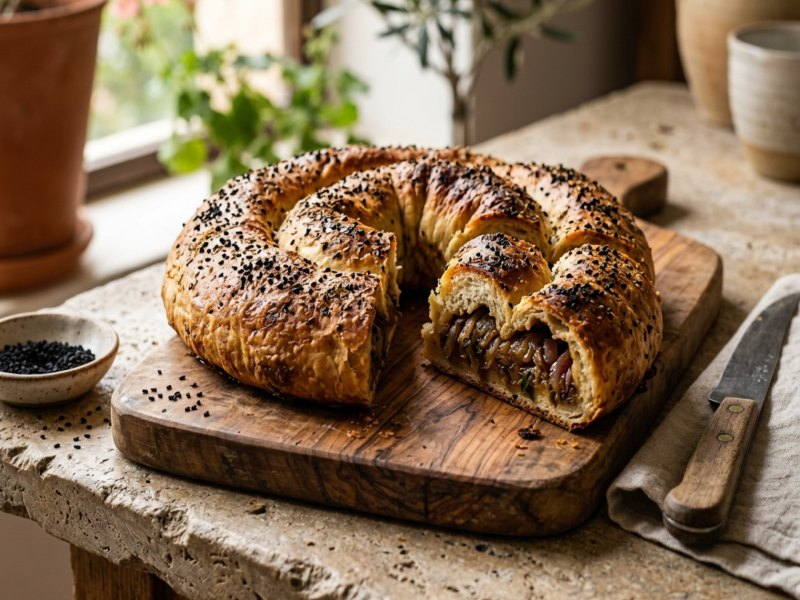
Soğanlı Çörek (Tradycyjny przepis śródziemnomorski)
Dowiedz się, jak przygotować autentyczne Soğanlı Çörek według tradycyjnych cypryjskich receptur i zbalansowanych przypraw.
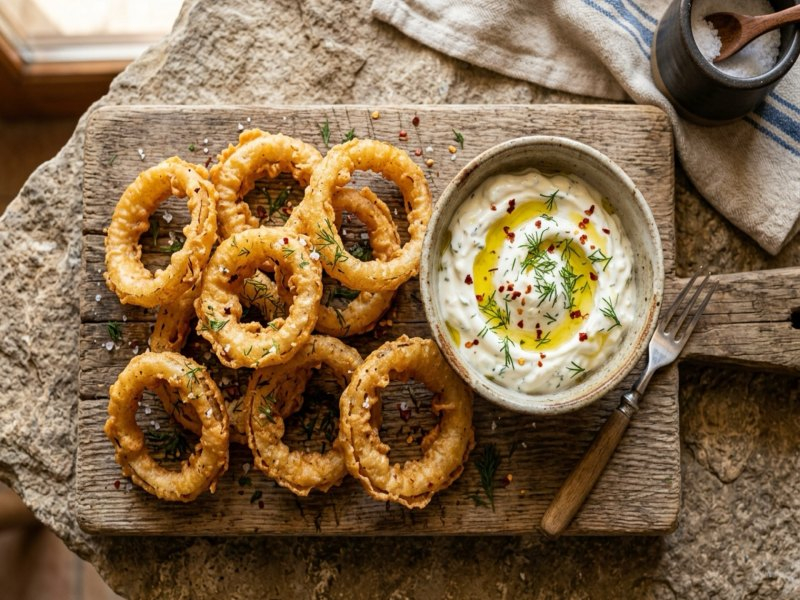
Yoğurtlu Soğan Halkası (Tradycyjny przepis śródziemnomorski)
Dowiedz się, jak przygotować autentyczne Yoğurtlu Soğan Halkası według tradycyjnych cypryjskich receptur i zbalansowanych przypraw.