A Beginner’s Guide to Cypriot Cuisine: Heritage, Signature Dishes and Essential Flavors
Discover authentic Cypriot culinary traditions: from grilled artisan halloumi and juicy sheftalia to slow-baked kleftiko and aromatic village mezes.
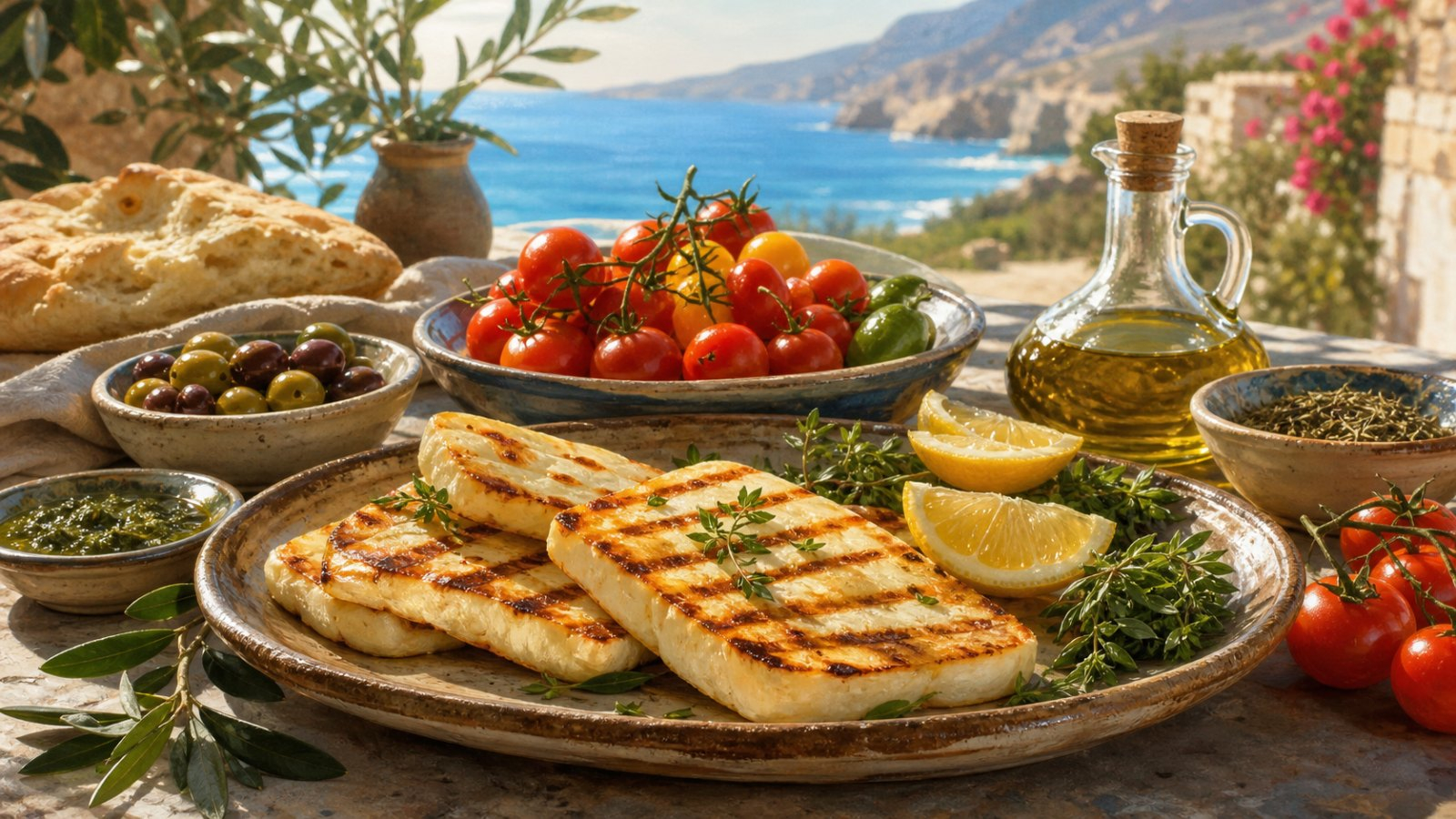
A Beginner’s Guide to Cypriot Cuisine: Heritage, Signature Dishes and Essential Flavors
Cypriot cuisine sits at the historical crossroads of the Mediterranean, the Levant, and Southern Europe. Over thousands of years, Phoenician traders, Venetian rulers, Ottoman heritage, and Greek island traditions converged on this sun-drenched island to create an unforgettable gastronomy.
Unlike fast-food approximations, genuine Cypriot cooking is defined by patient culinary techniques, wood-fired clay ovens, wild mountain herbs, and an unconditional respect for seasonal ingredients.
🌿 The Five Pillars of the Cypriot Kitchen
Every authentic Cypriot dish relies on a sacred foundation of regional staples:
1. Authentic Halloumi (Hellim)
The culinary crown jewel of Cyprus. Crafted from a blend of sheep, goat, and cow milk, halloumi is cooked in hot whey which realigns its protein matrix. This prevents it from melting over direct heat, creating a golden caramel crust while remaining soft and elastic within.
2. Cold-Pressed Extra Virgin Olive Oil
In Cyprus, olive oil is not merely a cooking medium—it is the dish itself. From cold vegetable stews to fresh salads, rich village-pressed olive oil imparts a peppery fragrance and silky texture that defines Mediterranean longevity.
3. Fresh Lemon Juice & Zest
Cypriots use fresh lemon where other traditions might rely solely on salt. In charcoal grills, slow-baked meats, and crisp salads, lemon juice cuts through rich fats and illuminates the underlying flavors.
4. Cracked Coriander Seeds, Dry Mint & Wild Oregano
While Turkish cuisine relies heavily on sweet paprika, Cypriot food is crowned by coriander seeds (kişniş), gently crushed in a stone mortar. Dried spearmint (kuru nane) is the soul of yogurt dips, while wild mountain oregano seasons meats.
5. Coarse Bulgur & Legumes
Before rice became widely accessible, coarse cracked bulgur (pilavlık bulgur) and chickpeas formed the daily sustenance of village life, paired with fresh herbs and garden greens.
🍽️ Iconic Cypriot Signature Dishes
Sheftalia Kebab (Şeftali Kebabı)
Despite its name, this masterpiece contains no peaches. It consists of coarsely minced lamb and pork or beef, seasoned with copious amounts of fresh flat-leaf parsley, finely diced onions, and cinnamon, delicately wrapped in lacy sheep's caul fat (gömlek yağı). Grilling over natural lump charcoal melts the delicate caul fat, basting the skewer continuously from within until golden, crisp, and intensely juicy.
Kleftiko (Kuzu Fırın)
Translating to "stolen meat," this dish dates back to guerrilla fighters who baked whole lamb joints underground with wild bay leaves and lemons so no telltale smoke would reveal their position. Today, it is slow-roasted in sealed clay ovens for up to six hours until the meat surrenders completely from the bone.
Kolokoti (Bal Kabaklı Kıbrıs Çöreği)
An autumnal treasure combining tender pumpkin, cracked bulgur, plump sultanas, and crushed coriander seeds within a golden olive-oil crust. It stands as a brilliant testament to the sweet-savory balance unique to Cypriot heritage baking.
Flaouna
The celebratory Easter bread made with aged hard halloumi and special mountain cheeses, spiced with mahlab and mastic, packed with raisins, and rolled in toasted sesame seeds.
Molohiya
Sun-dried leaves of the mallow plant (jute mallow), simmered gently with lamb or chicken, tomatoes, garlic, and generous quantities of fresh lemon juice into a deeply comforting, herbal village stew.
🥗 The Cypriot Meze Tradition: How to Dine Like a Local
In Cyprus, food is meant to be shared across a dozen small ceramic plates (mezedes). A traditional village feast unfolds gradually:
- Cold Dips & Breads: Cool cucumber cacık with mint, sesame tahini, cracked green village olives (çakıstes), and warm pita bread.
- Warm Bites: Sizzling grilled halloumi, wild asparagus with farm eggs, and crisp cheese pastries.
- Meat & Stews: Juicy sheftalia, slow-cooked kleftiko, and warm bulgur pilaf with yogurt.
- Sweet Finish: Fresh watermelon with firm halloumi slices or spiced walnut preserves (macun).
This guide was crafted by the culinary editorial team at House Chef Cyprus. Authentic recipes and culinary guides: HouseChef Cyprus
Traditional Cypriot Techniques and Island Cooking Methods
The timeless secret of Cypriot cuisine lies in cooking techniques that honor the purity of fresh ingredients through patient, measured preparation. Rather than rushing with aggressive high heat, island home chefs rely on heavy cast-iron cookware or traditional earthenware casseroles simmered over low flames. In classic stew preparations, finely diced onions and local garlic are gently sweated without browning, preserving the delicate, fruity undertones of extra-virgin olive oil. As meats and vegetables simmer gently in their own natural juices, wild mountain herbs and sun-dried bay leaves infuse the broth with deep Mediterranean warmth. When baking, covered ceramic dishes lock in moisture, ensuring that cuts remain succulent and garden vegetables cook through to tender perfection.
Sourcing Geographical Heritage Produce in Cyprus
Blessed by a distinct microclimate, Cyprus yields some of the most aromatic agricultural produce in the eastern Mediterranean basin. Cold-pressed extra-virgin olive oil extracted from century-old groves on the foothills of Kyrenia and the Karpas peninsula forms the foundation of every meal while adding a vibrant golden finish when drizzled before serving. Herbs such as crushed coriander seeds, wild mountain thyme, hand-picked sumac, and fragrant dried mint are balanced to elevate main ingredients rather than overpower them. Fresh citrus freshly squeezed from Morphou orchards lends a crisp, sun-drenched acidity that brings brightness to hearty casseroles, roasted meats, and seafood marinades alike.
Home Chef Tips for Ingredient Storage & Freshness
When cooking island-inspired recipes at home, maintaining moisture balance and ingredient freshness is essential for authentic flavor. Produce selected from weekly farmers markets in Nicosia and Famagusta stays crisp and fragrant when wrapped in clean cotton cloths before storage. Heritage cheeses such as halloumi and fresh anari should be stored in natural brine or airtight glass containers to preserve their delicate curd elasticity. Resting cooked dishes overnight in a cool pantry or refrigerator allows aromatic oils to settle, deepening flavor complexity as celebrated in traditional village feasts.
Şefin Tavsiyesi · Ekipman
Bu Rehberde Önerilen Profesyonel Mutfak Ekipmanları
Rehberimizdeki teknikleri ve ada tariflerini evinizde şef standartlarında uygulamanız için tavsiye ettiğimiz mutfak gereçleri:
Pirge Ecco Profesyonel Şef Bıçağı 20 cm
Et, sebze ve taze ot doğramada mutfakta hız ve hassasiyet sağlayan yüksek karbonlu paslanmaz çelik bıçak.
Fakir / Soehnle Dijital Hassas Mutfak Tartısı
House Chef ölçülerinin ve hamur işlerinin tam kıvamında tutması için 1 gram hassasiyetinde dara özellikli tartı.
* Bilgilendirme: Bu kutuda yer alan ürün yönlendirmeleri gelir ortaklığı (affiliate) kapsamındadır. Beğendiğiniz ürünleri satın almanız durumunda siteye ek maliyet yansımaksızın küçük bir komisyon sağlanır.
Frequently asked questions
Kıbrıs mutfağına başlarken hangi yemekle başlamalıyım?
Hamur işiyle değil, tavada veya tencerede yapılan bir tarifle başlayın. Hellim ve domatesli kahvaltı tavası ya da cacık, malzemenin davranışını öğreten en affedici başlangıçlardır. Hamur işlerini üçüncü haftaya bırakmak ilk denemede yaşanan hayal kırıklığını önler.
Hellim neden erimiyor?
Hellim yüksek pH ve özel pıhtılaştırma yöntemiyle üretildiği için protein yapısı ısıda çözülmez. Bu yüzden ısıtıldığında erimek yerine yumuşar ve yüzeyi kızarır. Aynı sebeple fazla pişirilirse su verip sertleşir; her yüzü için bir-iki dakika yeterlidir.
Şeftali kebabının şeftaliyle ilgisi var mı?
Yoktur. İsmin meyveyle bağlantısı bulunmaz. Yemek, kuzu kıymasının koyunun karın zarına sarılıp ızgarada pişirilmesiyle yapılır. Zar pişerken erir, içteki kıymayı yağlayıp koruduğu için et sulu kalır.
Kolokoti ne zaman yapılır?
Kolokoti bir sonbahar yemeğidir çünkü ana malzemesi bal kabağıdır. Bal kabağı, bulgur ve kuru üzümle hazırlanan iç harç zeytinyağlı hamura sarılır. Tatlı ve tuzlunun aynı içte buluşması Kıbrıs mutfağının en ayırt edici özelliklerinden biridir.
Zeytinyağlı yemekler neden soğuk servis ediliyor?
Zeytinyağlı yemeklerde tat, pişme sonrası dinlenme sırasında oturur. Yağ soğurken sebzeye siner ve aroma dengelenir. Sıcak servis edildiğinde yemek henüz tamamlanmamış sayılır; oda sıcaklığında veya soğuk yenmesi tarifin parçasıdır.
Kıbrıs Mutfağı
Doğrulanmış tariflerin tamamı tek koleksiyonda
Related recipes

Halloumi and Tomato Breakfast Pan
The halloumi is fried on its own before it meets the tomato, and its salt is drawn out in water first.

Sheftalia — Cypriot Caul-Wrapped Kebab
Seasoned lamb wrapped in caul fat and grilled over embers. Despite the name, there is no peach in it: sheftali refers to how the fat is wrapped.