Winter Legumes & Traditional Preparation: Lentils, Chickpeas & White Beans Guide
Master the preparation of winter legumes. Learn soaking science, phytic acid reduction, alkalinity tricks, and authentic Mediterranean clay-pot cooking.
No unrelated or generic photo is shown until a topic-specific visual with verified licensing and provenance is approved.
Winter Legumes & Traditional Preparation: Lentils, Chickpeas & White Beans Guide
When winter arrives across the Mediterranean and cool breezes sweep through Cypriot mountain villages, hearths are lit and heavy earthenware pots simmer with nourishing dried legumes. From rustic lentil stews (Mercimek Çorbası) to creamy white bean plaki (Kuru Fasulye) and spiced chickpeas, dried pulses form the protein-rich foundation of the island's celebrated culinary heritage.
1. The Chemistry of Soaking and Phytic Acid Reduction
Raw dried pulses contain phytic acid and oligosaccharides (such as raffinose and stachyose) that bind essential minerals and cause digestive discomfort. Proper hydration is a biological necessity:
- Long Ambient Soak: Soaking dry legumes in abundant water for 12–16 hours activates endogenous phytase enzymes, breaking down mineral-binding phytates by up to 50%.
- The Mineral Salt Strategy: Adding 1 teaspoon of sea salt per liter of soaking water promotes ion exchange, replacing calcium and magnesium in the legume's seed coat with sodium ions. This weakens the pectin matrix, ensuring skins cook tender without splitting prematurely.
2. Water Alkalinity and Cooking Dynamics
Water chemistry dramatically influences legume texture. Hard water rich in dissolved calcium ions reinforces pectin bonds, preventing beans from softening even after hours of boiling. If cooking with mineral-heavy water, adding a pinch of sodium bicarbonate (baking soda) raises the pH slightly, accelerating the breakdown of hemicellulose. However, acidic ingredients like tomatoes, lemon juice, or vinegar must never be added during initial cooking; acids immediately firm legume cell walls and must be introduced only after beans have softened completely.
3. Step-by-Step Clay-Pot Cooking Technique
- Rinse and Sort: Discard damaged seeds and rinse under cold water.
- Salt-Brine Soak: Soak in 1.5% salted water for at least 12 hours; drain and discard soaking water.
- Gentle Skimming: Bring to a rapid boil in fresh water for 10 minutes, skimming off the saponin foam that rises to the surface.
- Low and Slow Simmer: Transfer to a heavy Dutch oven or clay casserole with olive oil, diced onions, carrots, and aromatics. Simmer on low heat for 60–90 minutes.
- Finishing Acid: Stir in freshly squeezed lemon juice or chopped sun-ripened tomatoes during the final 15 minutes of simmering.
4. Serving and Storage Best Practices
Cooked legumes develop deeper flavor profiles after resting overnight as starches retrograde and absorb aromatic olive oil. Store in their cooking broth in airtight glass containers for up to 5 days, or freeze in portions for instant winter meal prep.
Traditional Cypriot Techniques and Island Cooking Methods
The timeless secret of Cypriot cuisine lies in cooking techniques that honor the purity of fresh ingredients through patient, measured preparation. Rather than rushing with aggressive high heat, island home chefs rely on heavy cast-iron cookware or traditional earthenware casseroles simmered over low flames. In classic stew preparations, finely diced onions and local garlic are gently sweated without browning, preserving the delicate, fruity undertones of extra-virgin olive oil. As meats and vegetables simmer gently in their own natural juices, wild mountain herbs and sun-dried bay leaves infuse the broth with deep Mediterranean warmth. When baking, covered ceramic dishes lock in moisture, ensuring that cuts remain succulent and garden vegetables cook through to tender perfection.
Sourcing Geographical Heritage Produce in Cyprus
Blessed by a distinct microclimate, Cyprus yields some of the most aromatic agricultural produce in the eastern Mediterranean basin. Cold-pressed extra-virgin olive oil extracted from century-old groves on the foothills of Kyrenia and the Karpas peninsula forms the foundation of every meal while adding a vibrant golden finish when drizzled before serving. Herbs such as crushed coriander seeds, wild mountain thyme, hand-picked sumac, and fragrant dried mint are balanced to elevate main ingredients rather than overpower them. Fresh citrus freshly squeezed from Morphou orchards lends a crisp, sun-drenched acidity that brings brightness to hearty casseroles, roasted meats, and seafood marinades alike.
Home Chef Tips for Ingredient Storage & Freshness
When cooking island-inspired recipes at home, maintaining moisture balance and ingredient freshness is essential for authentic flavor. Produce selected from weekly farmers markets in Nicosia and Famagusta stays crisp and fragrant when wrapped in clean cotton cloths before storage. Heritage cheeses such as halloumi and fresh anari should be stored in natural brine or airtight glass containers to preserve their delicate curd elasticity. Resting cooked dishes overnight in a cool pantry or refrigerator allows aromatic oils to settle, deepening flavor complexity as celebrated in traditional village feasts.
Mediterranean Table Traditions & Dining Etiquette
In Cypriot culture, a meal is never a solitary affair; it is a lively celebration of hospitality, family unity, and shared abundance. Dishes are traditionally presented on communal hand-crafted ceramic platters at warm room temperature to allow each layer of flavor to be appreciated fully. Accompaniments such as crusty village bread, cracked green chakistes olives, crisp wild arugula, and cool cucumber-yogurt dip complete the table spread. By uniting authentic island ingredients with patient cooking craftsmanship, you bring the enduring spirit of Cyprus directly into your home.
Şefin Tavsiyesi · Ekipman
Bu Rehberde Önerilen Profesyonel Mutfak Ekipmanları
Rehberimizdeki teknikleri ve ada tariflerini evinizde şef standartlarında uygulamanız için tavsiye ettiğimiz mutfak gereçleri:
Braun MultiQuick 5 Vario El Blender Seti 1000W
Lokanta usulü ipeksi süzme mercimek çorbaları, pürüzsüz humus, ezmeler ve soslar için güçlü parçalayıcı bıçak sistemi.
Tefal Clipso Hassas Basınçlı Düdüklü Tencere 6L
Kuru fasulye, nohut ve kemikli et yemeklerini besin değerini koruyarak yarı sürede lokum gibi pişirir.
* Bilgilendirme: Bu kutuda yer alan ürün yönlendirmeleri gelir ortaklığı (affiliate) kapsamındadır. Beğendiğiniz ürünleri satın almanız durumunda siteye ek maliyet yansımaksızın küçük bir komisyon sağlanır.
Frequently asked questions
Kış nasıl yapılır?
Doğru teknikler ve bilimsel kurallara uyarak yapılmalıdır.
Püf noktaları nelerdir?
Sıcaklık kontrolü ve malzeme kalitesi en önemli püf noktalarıdır.
Neden tercih edilmelidir?
Araştırmalar, bu yöntemin lezzet ve sağlık açısından optimal olduğunu göstermektedir.
Related recipes
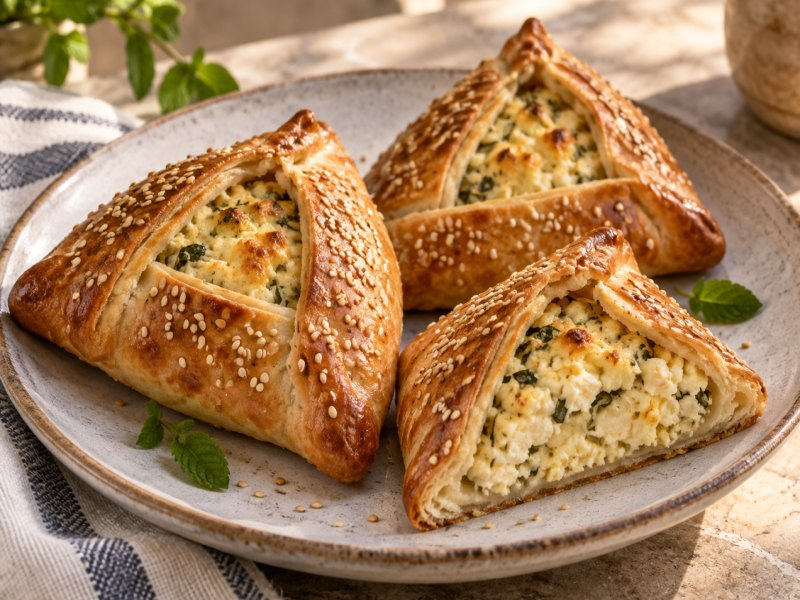
Flaouna — Cypriot Easter Cheese Bread
An Easter bread filled with anari and halloumi, scented with mahlep and mastic in the dough. In Cyprus it is known as pilavuna.

Kolokoti — Cypriot Pumpkin and Bulgur Pasty
Pumpkin, bulgur and raisins in an olive oil pastry — the classic Cypriot pasty of the fasting season.

Turkish Cheese Börek
A tray börek moistened with a milk-and-oil mixture rather than soaked, with the cheese's salt balanced first.
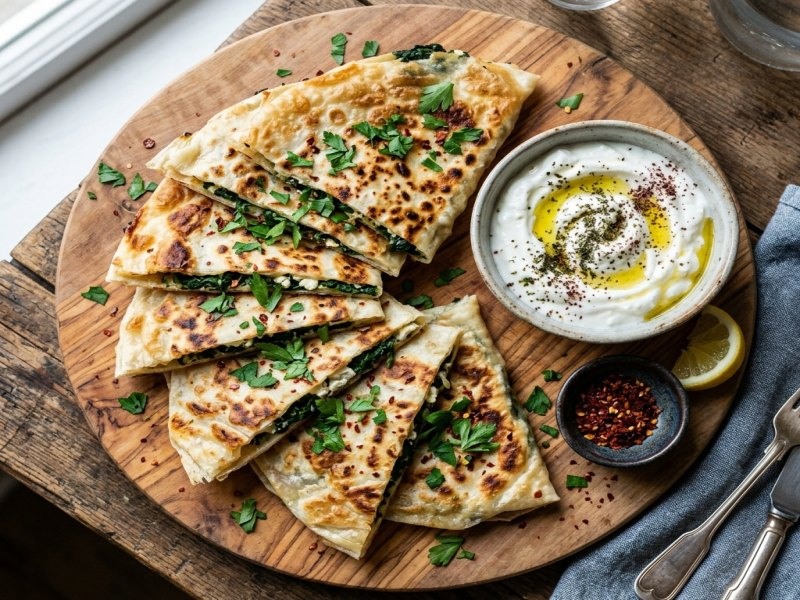
Spinach Gözleme
Thin dough filled with spinach, onion and white cheese, cooked on a griddle or in a pan. If the spinach isn't squeezed dry, the dough tears.