How to Store Dried Legumes Long-Term: Preventing Weevils & Moisture
Essential food pantry techniques to keep lentils, beans, and chickpeas fresh, pest-free, and nutrient-dense for years using airtight glass and bay leaves.
How to Store Dried Legumes Long-Term: Preventing Weevils & Moisture
Essential food pantry techniques to keep lentils, beans, and chickpeas fresh, pest-free, and nutrient-dense for years using airtight glass and bay leaves.
Introduction & Cultural Heritage
In the heart of Mediterranean culinary traditions, understanding both the historical roots and the foundational food chemistry of every preparation transforms everyday cooking into a masterclass. Whether you are preserving seasonal harvests under the Mediterranean sun or perfecting classic techniques passed down through generations of Cypriot and Aegean home cooks, attention to ingredient quality and heat dynamics is paramount.
Cooking is fundamentally a symphony of physical and chemical transformations. When we look at traditional recipes across Cyprus and the wider Levant, every step—from the initial salting to the final gentle simmer—serves an intentional purpose developed through centuries of empirical refinement.
The Core Science & Essential Principles
To master this technique without relying on guesswork, it is vital to understand the key factors governing flavor development, texture retention, and food safety:
- Thermal Distribution & Moisture Control: Heat is not merely a cooking medium; it is a driver of enzymatic activation and protein denaturation. Maintaining appropriate temperature zones prevents cellular collapse in vegetables and ensures delicate moisture stays locked within meats and pastries.
- Fat and Acid Balance: High-phenolic extra virgin olive oil, freshly squeezed citrus juices, and fermented vinegars not only create harmonious flavor profiles but also lower pH, enhancing structural firmness and natural preservation.
- Aromatic Synergies: The inclusion of wild herbs—such as mountain thyme, fresh mint, coriander seeds, and bay leaves—supplies fat-soluble essential oils that bloom and develop depth when exposed to gentle warmth.
Key Rule of Thumb: Never rush low-and-slow processes. Time allows collagen, starches, and natural pectin to relax, yielding textures that high-heat shortcuts can never replicate.
Step-by-Step Culinary Walkthrough
- Selection & Preparation: Begin with pristine raw ingredients. If working with produce, inspect for firmness, seasonal ripeness, and natural aroma. For pantry legumes or dairy, ensure proper ambient storage conditions and unadulterated purity.
- Pre-treatment & Curing: Take the time to execute necessary preliminary steps. Whether it is soaking dried legumes, dry-brining cuts of meat to align surface proteins, or blanching vegetables in salted boiling water before an ice bath shock, these foundational steps define the final outcome.
- Execution & Heat Application: Use heavy-bottomed cookware, such as enameled cast iron or clay earthenware. These vessels provide stable, uniform heat retention that prevents localized scorching and allows flavors to interlock seamlessly.
- Finishing & Resting: Remove from heat slightly before the absolute target finish. Carryover thermal energy continues to cook core ingredients for several minutes off the stove, settling internal moisture throughout the dish.
Chef's Practical Advice & Common Mistakes to Avoid
"True mastery in the kitchen is not about having complex tools, but about understanding what happens inside the pot at every moment."
- Do Not Overcrowd the Vessel: Overcrowding traps evaporating steam, converting what should be a crisp sear into a limp, soggy simmer. Cook in disciplined batches when necessary.
- Taste and Adjust at Multiple Stages: Salt and acidity behave differently at high cooking temperatures compared to warm serving temperatures. Always perform your final seasoning evaluation just prior to plating.
- Mind the Storage Lifecycle: For dishes prepared ahead of time, cool quickly to room temperature before sealing in airtight, food-grade glass containers to protect delicate aromas from oxidation.
Nutritional Highlights & Traditional Pairing
Rooted in the renowned longevity principles of the Mediterranean Basin, dishes crafted from fresh, unrefined staples deliver dense concentrations of dietary fiber, bioavailable micronutrients, and monounsaturated fatty acids. Serve alongside warm rustic village bread, crisp garden salads tossed with lemon and cold-pressed olive oil, or a refreshing dollop of authentic strained yogurt for a complete, wholesome dining experience.
Traditional Cypriot Techniques and Island Cooking Methods
The timeless secret of Cypriot cuisine lies in cooking techniques that honor the purity of fresh ingredients through patient, measured preparation. Rather than rushing with aggressive high heat, island home chefs rely on heavy cast-iron cookware or traditional earthenware casseroles simmered over low flames. In classic stew preparations, finely diced onions and local garlic are gently sweated without browning, preserving the delicate, fruity undertones of extra-virgin olive oil. As meats and vegetables simmer gently in their own natural juices, wild mountain herbs and sun-dried bay leaves infuse the broth with deep Mediterranean warmth. When baking, covered ceramic dishes lock in moisture, ensuring that cuts remain succulent and garden vegetables cook through to tender perfection.
Sourcing Geographical Heritage Produce in Cyprus
Blessed by a distinct microclimate, Cyprus yields some of the most aromatic agricultural produce in the eastern Mediterranean basin. Cold-pressed extra-virgin olive oil extracted from century-old groves on the foothills of Kyrenia and the Karpas peninsula forms the foundation of every meal while adding a vibrant golden finish when drizzled before serving. Herbs such as crushed coriander seeds, wild mountain thyme, hand-picked sumac, and fragrant dried mint are balanced to elevate main ingredients rather than overpower them. Fresh citrus freshly squeezed from Morphou orchards lends a crisp, sun-drenched acidity that brings brightness to hearty casseroles, roasted meats, and seafood marinades alike.
Home Chef Tips for Ingredient Storage & Freshness
When cooking island-inspired recipes at home, maintaining moisture balance and ingredient freshness is essential for authentic flavor. Produce selected from weekly farmers markets in Nicosia and Famagusta stays crisp and fragrant when wrapped in clean cotton cloths before storage. Heritage cheeses such as halloumi and fresh anari should be stored in natural brine or airtight glass containers to preserve their delicate curd elasticity. Resting cooked dishes overnight in a cool pantry or refrigerator allows aromatic oils to settle, deepening flavor complexity as celebrated in traditional village feasts.
Şefin Tavsiyesi · Ekipman
Bu Rehberde Önerilen Profesyonel Mutfak Ekipmanları
Rehberimizdeki teknikleri ve ada tariflerini evinizde şef standartlarında uygulamanız için tavsiye ettiğimiz mutfak gereçleri:
Pirge Ecco Profesyonel Şef Bıçağı 20 cm
Et, sebze ve taze ot doğramada mutfakta hız ve hassasiyet sağlayan yüksek karbonlu paslanmaz çelik bıçak.
Fakir / Soehnle Dijital Hassas Mutfak Tartısı
House Chef ölçülerinin ve hamur işlerinin tam kıvamında tutması için 1 gram hassasiyetinde dara özellikli tartı.
* Bilgilendirme: Bu kutuda yer alan ürün yönlendirmeleri gelir ortaklığı (affiliate) kapsamındadır. Beğendiğiniz ürünleri satın almanız durumunda siteye ek maliyet yansımaksızın küçük bir komisyon sağlanır.
Frequently asked questions
Eski nohut neden pişmiyor?
Zamanla tanenin kabuğundaki hücre duvarları değişir ve kabuk suya geçirimsiz hâle gelir. Tane su alamadığı için ne kadar kaynatılırsa kaynatılsın yumuşamaz. Bu durum geri döndürülemez; ancak ıslatma suyuna az miktarda karbonat eklemek, ıslatmayı uzatmak ve düdüklü tencere kullanmak sonucu belirgin biçimde iyileştirir.
Bakliyat böceklenmesini nasıl önlerim?
En etkili yöntem, yeni aldığınız bakliyatı kapalı poşette 3-4 gün derin dondurucuda tutmaktır; bu, tanenin içindeki yumurtaları öldürür. Böcek genellikle eve gelmeden önce yumurtasını bırakmıştır, bu yüzden dolap temizliği tek başına yeterli olmaz. Cam kavanozda saklamak ve küçük paket almak riski azaltır.
Bakliyatı tuzlu suda mı haşlamalıyım?
Tuzu sona bırakın. Pişirme sırasında eklenen tuz kabuğu sertleştirir ve pişme süresini uzatır. Bakliyat yumuşadıktan sonra tuzlamak hem daha hızlı sonuç verir hem de dokuyu korur.
Kuru bakliyat kaç yıl dayanır?
Doğru saklandığında 2-3 yıl güvenle tüketilebilir, ancak en iyi pişme ve tat için ilk yıl içinde kullanılması gerekir. Güvenli olmak ile iyi pişmek farklı şeylerdir; üç yıllık bakliyat yenebilir ama taze gibi yumuşamaz.
Islatma suyunu kullanmalı mıyım?
Dökün. Islatma suyu, sindirim rahatsızlığına yol açabilen oligosakkaritlerin bir kısmını taşır. Bakliyatı süzüp temiz suyla pişirmek hem daha rahat sindirim sağlar hem de köpüklenmeyi azaltır.
Related recipes
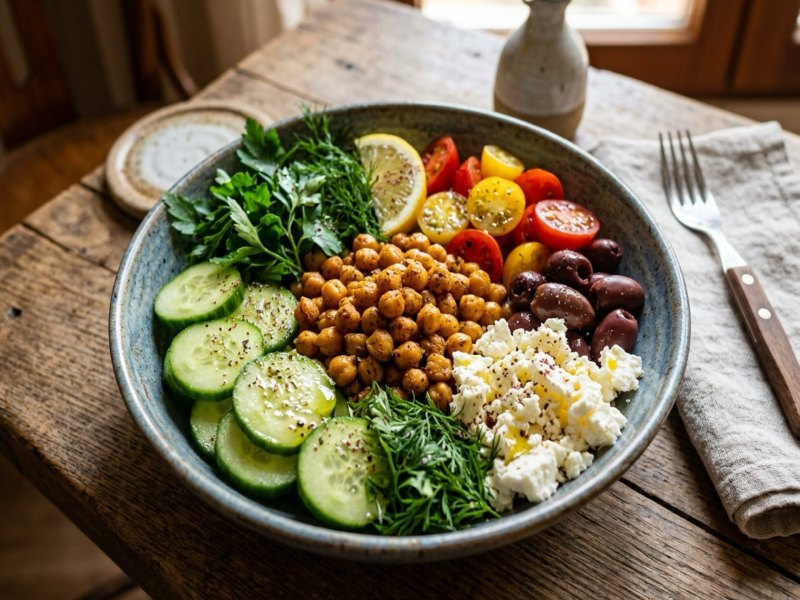
Nohutlu Akdeniz Kasesi (Authentic Mediterranean Recipe)
Learn how to prepare authentic Nohutlu Akdeniz Kasesi with traditional techniques, balanced seasonings, and step-by-step guidance.

Halloumi and Tomato Breakfast Pan
The halloumi is fried on its own before it meets the tomato, and its salt is drawn out in water first.
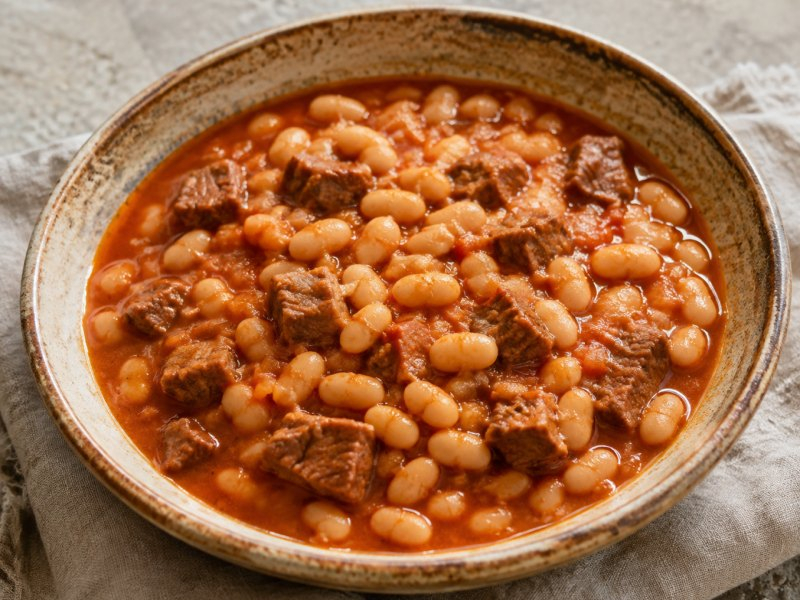
Klasik Etli Kuru Fasulye (Authentic Mediterranean Recipe)
Learn how to prepare authentic Klasik Etli Kuru Fasulye with traditional techniques, balanced seasonings, and step-by-step guidance.