How Long to Preheat an Oven: Accurate Timings for Baking, Roasting and Broiling
Why putting food into a cold oven ruins textures. Learn verified preheating times for electric, gas, and fan ovens, and why your oven chime might be lying to you.
No unrelated or generic photo is shown until a topic-specific visual with verified licensing and provenance is approved.
How Long to Preheat an Oven: Accurate Timings for Baking, Roasting and Broiling
Many recipes casually begin with the instruction: "Preheat oven to 180°C." Yet few explain what happens if you rush this step. Placing a tray of pastries, sourdough, or roasted vegetables into an underheated oven is one of the most frequent causes of flat cakes, rubbery pizza crusts, and greasy baked foods.
Here is the culinary guide to oven preheating mechanics and verified benchmarks.
1. Why Preheating Is Essential to Food Physics
When food enters a properly preheated oven, several instantaneous physical reactions occur:
- Instant Leavening (Oven Spring): In breads and pastries, trapped gas bubbles expand rapidly while moisture flashes into steam before the flour's starch sets. If the oven is cold, the dough warms up sluggishly; yeast dies prematurely and butter melts out into an oily puddle before leavening can occur.
- Immediate Sear: Meats and vegetables placed in a fully heated oven sear instantly, preventing cell walls from rupturing and weeping water into the pan.
2. Average Preheating Times by Temperature Target
| Target Temperature | Electric Static Oven | Convection (Fan) Oven | Gas Oven |
|---|---|---|---|
| 160°C – 180°C (325°F – 350°F) | 12 – 15 minutes | 10 – 12 minutes | 10 – 13 minutes |
| 190°C – 210°C (375°F – 410°F) | 15 – 18 minutes | 12 – 15 minutes | 13 – 16 minutes |
| 220°C – 250°C (425°F – 480°F) | 20 – 25 minutes | 16 – 20 minutes | 18 – 22 minutes |
| Pizza Stone / Baking Steel | 45 – 60 minutes | 40 – 50 minutes | 45 – 60 minutes |
3. The "Preheat Chime" Illusion
Modern ovens sound a chime or illuminate an indicator light when their internal air sensor reaches target temperature. However, air heats up much faster than the oven walls and racks.
- When the chime sounds after 8 minutes, the air may be 180°C, but the metal walls, glass door, and steel racks are still cool.
- Opening the oven door to load your baking dish causes the hot air to rush out instantly, dropping the cavity temperature by up to 30°C!
- The Pro Tip: Allow an extra 5 to 10 minutes after the chime rings before sliding your food inside. This charges the heavy steel interior with radiant thermal mass that rebounds instantly when the door is closed.
4. Are There Foods That Can Start in a Cold Oven?
Yes, but only a select few:
- Bacon on a baking sheet: Starting bacon in a cold oven allows fat to render slowly, resulting in remarkably flat, crispy strips without burning.
- Slow-braised casseroles in heavy cast-iron Dutch ovens: Because the thick enamel vessel heats slowly over hours anyway, preheating is not critical.
For cakes, cookies, pies, breads, and roasted vegetables, preheating is completely mandatory.
Written by the culinary editors at House Chef Cyprus. Explore our verified baking guides: HouseChef Cyprus
Şefin Tavsiyesi · Ekipman
Bu Rehberde Önerilen Profesyonel Mutfak Ekipmanları
Rehberimizdeki teknikleri ve ada tariflerini evinizde şef standartlarında uygulamanız için tavsiye ettiğimiz mutfak gereçleri:

Pirge Ecco Profesyonel Şef Bıçağı 20 cm
Et, sebze ve taze ot doğramada mutfakta hız ve hassasiyet sağlayan yüksek karbonlu paslanmaz çelik bıçak.

Fakir / Soehnle Dijital Hassas Mutfak Tartısı
House Chef ölçülerinin ve hamur işlerinin tam kıvamında tutması için 1 gram hassasiyetinde dara özellikli tartı.
* Bilgilendirme: Bu kutuda yer alan ürün yönlendirmeleri gelir ortaklığı (affiliate) kapsamındadır. Beğendiğiniz ürünleri satın almanız durumunda siteye ek maliyet yansımaksızın küçük bir komisyon sağlanır.
Reklam
Frequently asked questions
Fırın kaç dakikada ısınır?
Standart 180°C derece pişirmeler için fırın ortalama 10-12 dakikada ideal ısıya ulaşır.
Fırının ısındığı nasıl anlaşılır?
Fırın üzerindeki kırmızı termostat veya ön ısıtma işığı söndüğünde fırın ayarlanan dereceye ulaşmış demektir.
Related recipes
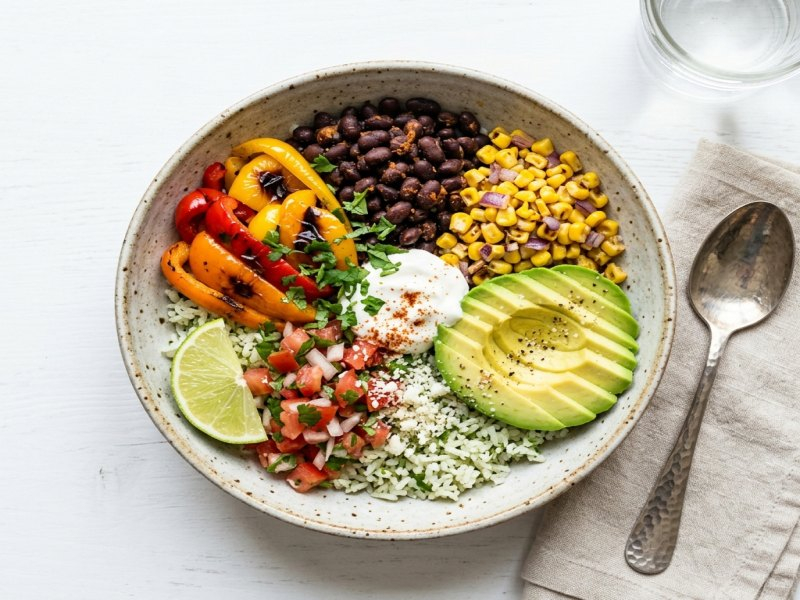
Fırın Sebzeli Taco Kasesi (Authentic Mediterranean Recipe)
Learn how to prepare authentic Fırın Sebzeli Taco Kasesi with traditional techniques, balanced seasonings, and step-by-step guidance.
Related guides
Guide to Kibris Kofter Ve Cevizli Sucuk Yapimi Uzum Sirasi G
Read more →Guide to Dogal Fermente Besinlerle Bagisiklik Guclendirme Ve
Read more →Guide to Duduklu Tencere Kullanim Rehberi Dakika Ve Guvenlik
Read more →Reklam