History of Traditional Cypriot Soups: Tarhana, Trahanas & Village Broths
A deep dive into the heritage of Cypriot comforting broths: fermented goat milk trahanas, village chicken vermicelli, and mountain lentil soups stewed over slow embers.
No unrelated or generic photo is shown until a topic-specific visual with verified licensing and provenance is approved.
History of Traditional Cypriot Soups: Tarhana, Trahanas & Village Broths
Soups have anchored the culinary culture of Cyprus for millennia. In an island crossroads touched by ancient Greek, Byzantine, Venetian, and Ottoman traditions, communal soup pots provided restorative nourishment to shepherds in the Troodos mountains and fishermen along the Kyrenia coast.
Trahanas: The Ancient Fermented Sun Biscuit
Perhaps no preparation captures Cypriot culinary identity more profoundly than Trahanas (Tarhana). Crafted in the late heat of summer when goat milk production peaks, cracked durum wheat is slow-simmered with naturally soured goat or sheep yogurt until a thick mass forms. Shaped into bite-sized nuggets, it is dried under the relentless Mediterranean sun on reed trays (tsestos).
In the dead of winter, boiling a handful of dried trahanas with water or chicken broth reconstitutes this ancient shelf-stable preserve into a thick, velvety porridge studded with halloumi cubes and finished with a crack of black pepper.
Mountain Legume Broths & Village Comfort
Beyond trahanas, everyday island cooking relied heavily on local pulses:
- Mahluta: Red lentils simmered with onions caramelized in rich village olive oil and seasoned with wild cumin.
- Fasolada: The iconic white bean stew, fragrant with mountain celery, ripe tomatoes, and carrots, served with thick crusts of wood-fired village bread.
- Kotosoupa Avgolemono: Clear free-range chicken broth enriched with rice and bound by an emulsion of fresh farm eggs and vibrant lemon juice.
These soups reflect the core philosophy of Cypriot dining: unpretentious ingredients elevated through patience, gentle fire, and generational reverence for nature's rhythms.
Traditional Cypriot Techniques and Island Cooking Methods
The timeless secret of Cypriot cuisine lies in cooking techniques that honor the purity of fresh ingredients through patient, measured preparation. Rather than rushing with aggressive high heat, island home chefs rely on heavy cast-iron cookware or traditional earthenware casseroles simmered over low flames. In classic stew preparations, finely diced onions and local garlic are gently sweated without browning, preserving the delicate, fruity undertones of extra-virgin olive oil. As meats and vegetables simmer gently in their own natural juices, wild mountain herbs and sun-dried bay leaves infuse the broth with deep Mediterranean warmth. When baking, covered ceramic dishes lock in moisture, ensuring that cuts remain succulent and garden vegetables cook through to tender perfection.
Sourcing Geographical Heritage Produce in Cyprus
Blessed by a distinct microclimate, Cyprus yields some of the most aromatic agricultural produce in the eastern Mediterranean basin. Cold-pressed extra-virgin olive oil extracted from century-old groves on the foothills of Kyrenia and the Karpas peninsula forms the foundation of every meal while adding a vibrant golden finish when drizzled before serving. Herbs such as crushed coriander seeds, wild mountain thyme, hand-picked sumac, and fragrant dried mint are balanced to elevate main ingredients rather than overpower them. Fresh citrus freshly squeezed from Morphou orchards lends a crisp, sun-drenched acidity that brings brightness to hearty casseroles, roasted meats, and seafood marinades alike.
Home Chef Tips for Ingredient Storage & Freshness
When cooking island-inspired recipes at home, maintaining moisture balance and ingredient freshness is essential for authentic flavor. Produce selected from weekly farmers markets in Nicosia and Famagusta stays crisp and fragrant when wrapped in clean cotton cloths before storage. Heritage cheeses such as halloumi and fresh anari should be stored in natural brine or airtight glass containers to preserve their delicate curd elasticity. Resting cooked dishes overnight in a cool pantry or refrigerator allows aromatic oils to settle, deepening flavor complexity as celebrated in traditional village feasts.
Mediterranean Table Traditions & Dining Etiquette
In Cypriot culture, a meal is never a solitary affair; it is a lively celebration of hospitality, family unity, and shared abundance. Dishes are traditionally presented on communal hand-crafted ceramic platters at warm room temperature to allow each layer of flavor to be appreciated fully. Accompaniments such as crusty village bread, cracked green chakistes olives, crisp wild arugula, and cool cucumber-yogurt dip complete the table spread. By uniting authentic island ingredients with patient cooking craftsmanship, you bring the enduring spirit of Cyprus directly into your home.
Şefin Tavsiyesi · Ekipman
Bu Rehberde Önerilen Profesyonel Mutfak Ekipmanları
Rehberimizdeki teknikleri ve ada tariflerini evinizde şef standartlarında uygulamanız için tavsiye ettiğimiz mutfak gereçleri:
Paşabahçe Borcam Kilitli Kapaklı Cam Saklama Seti
Artan yemekleri buzdolabında taze tutan, fırına ve mikrodalgaya girebilen dayanıklı cam kaplar.
Geniş Hacimli Çevirmeli Salata ve Yeşillik Kurutucu
Akdeniz salatası, roka, taze nane ve maydanozu saniyeler içinde kurutarak sosun yapışmasını sağlar.
* Bilgilendirme: Bu kutuda yer alan ürün yönlendirmeleri gelir ortaklığı (affiliate) kapsamındadır. Beğendiğiniz ürünleri satın almanız durumunda siteye ek maliyet yansımaksızın küçük bir komisyon sağlanır.
Frequently asked questions
Geleneksel nasıl yapılır?
Doğru teknikler ve bilimsel kurallara uyarak yapılmalıdır.
Püf noktaları nelerdir?
Sıcaklık kontrolü ve malzeme kalitesi en önemli püf noktalarıdır.
Neden tercih edilmelidir?
Araştırmalar, bu yöntemin lezzet ve sağlık açısından optimal olduğunu göstermektedir.
Related recipes
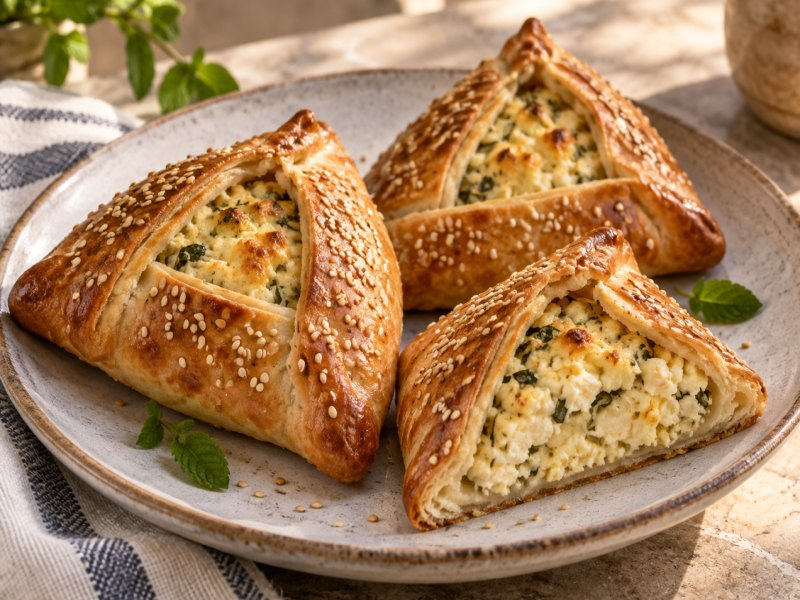
Flaouna — Cypriot Easter Cheese Bread
An Easter bread filled with anari and halloumi, scented with mahlep and mastic in the dough. In Cyprus it is known as pilavuna.
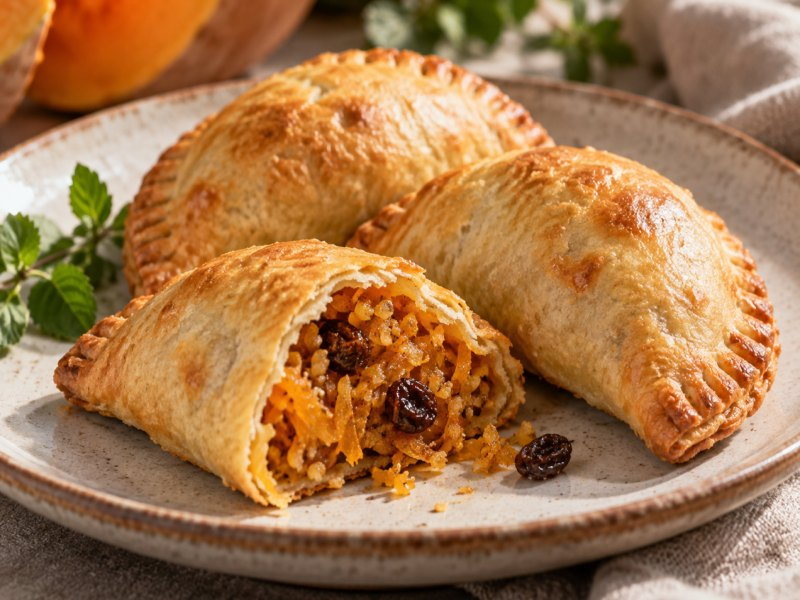
Kolokoti — Cypriot Pumpkin and Bulgur Pasty
Pumpkin, bulgur and raisins in an olive oil pastry — the classic Cypriot pasty of the fasting season.

Turkish Cheese Börek
A tray börek moistened with a milk-and-oil mixture rather than soaked, with the cheese's salt balanced first.
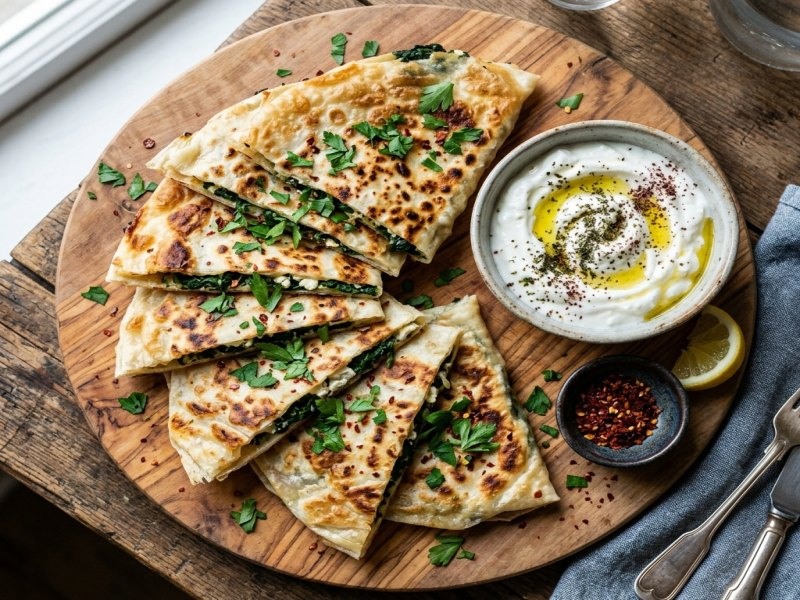
Spinach Gözleme
Thin dough filled with spinach, onion and white cheese, cooked on a griddle or in a pan. If the spinach isn't squeezed dry, the dough tears.