Preserving Dried Fruits & Vegetables: Sun-Drying, Moisture & Pantry Longevity
Learn how Cypriot home cooks sun-dry and store seasonal produce. Master moisture thresholds, pest prevention, airtight glass sealing, and rehydration methods.
No unrelated or generic photo is shown until a topic-specific visual with verified licensing and provenance is approved.
Preserving Dried Fruits & Vegetables: Sun-Drying, Moisture & Pantry Longevity
Under the radiant Mediterranean sun, sun-drying has been practiced in Cyprus for millennia. When summer yields an abundance of sweet figs, fleshy tomatoes, wild carob pods, and eggplants, island households transform excess produce into preserved pantry treasures that sustain families throughout the winter months.
1. The Science of Sun Dehydration and Water Activity (aw)
Dehydration preserves food by reducing water activity ($a_w$) below the critical threshold (0.60) required for bacterial and mold proliferation. In Cyprus, low ambient humidity, steady thermal currents, and intense UV radiation provide optimal natural conditions for rapid, safe drying. Slow drying invites enzymatic browning and microbial spoilage, while proper sun drying concentrates natural fruit sugars, organic acids, and intense umami glutamates.
2. Essential Preparations and Natural Preservation Agents
- Salt and Acid Pre-Treatment: Sliced tomatoes are lightly dusted with sea salt to draw out internal moisture via osmosis and inhibit surface bacteria during day one.
- Sulfur-Free Sun Drying: While commercial fruits often use sulfur dioxide, traditional village methods rely purely on solar heat, sea salt, and breathable netting that protects against insects while allowing moist air to escape.
- Dryness Check: Sun-dried tomatoes should feel like supple leather—flexible without any moist cool spots when squeezed between fingertips.
3. Long-Term Pantry Storage Protocols
- Post-Drying Freeze Pasteurization: Freeze newly dried produce at -18°C (0°F) for 48 hours to neutralize any microscopic insect eggs.
- Hermetic Glass Jar Storage: Store in sterilized glass mason jars with rubber gaskets. Avoid plastic bags, which are permeable to ambient oxygen and moisture.
- Bay Leaf and Clove Defense: Place 1–2 dried bay leaves and a whole clove in each jar; natural eugenol acts as a safe, aromatic deterrent against pantry moths.
- Submerged in Olive Oil: For sun-dried tomatoes and roasted peppers, pack tightly into sterilized jars with whole garlic cloves, oregano, and fill completely with extra virgin olive oil.
4. Rehydration Techniques for Cooking
To rehydrate dried eggplants or peppers for traditional dolma or stews, submerge them in simmering water with a dash of vinegar for 8–10 minutes until plump and tender. Reserve the strained rehydration liquid—it is packed with rich umami and makes an exceptional base for vegetable broths.
Traditional Cypriot Techniques and Island Cooking Methods
The timeless secret of Cypriot cuisine lies in cooking techniques that honor the purity of fresh ingredients through patient, measured preparation. Rather than rushing with aggressive high heat, island home chefs rely on heavy cast-iron cookware or traditional earthenware casseroles simmered over low flames. In classic stew preparations, finely diced onions and local garlic are gently sweated without browning, preserving the delicate, fruity undertones of extra-virgin olive oil. As meats and vegetables simmer gently in their own natural juices, wild mountain herbs and sun-dried bay leaves infuse the broth with deep Mediterranean warmth. When baking, covered ceramic dishes lock in moisture, ensuring that cuts remain succulent and garden vegetables cook through to tender perfection.
Sourcing Geographical Heritage Produce in Cyprus
Blessed by a distinct microclimate, Cyprus yields some of the most aromatic agricultural produce in the eastern Mediterranean basin. Cold-pressed extra-virgin olive oil extracted from century-old groves on the foothills of Kyrenia and the Karpas peninsula forms the foundation of every meal while adding a vibrant golden finish when drizzled before serving. Herbs such as crushed coriander seeds, wild mountain thyme, hand-picked sumac, and fragrant dried mint are balanced to elevate main ingredients rather than overpower them. Fresh citrus freshly squeezed from Morphou orchards lends a crisp, sun-drenched acidity that brings brightness to hearty casseroles, roasted meats, and seafood marinades alike.
Home Chef Tips for Ingredient Storage & Freshness
When cooking island-inspired recipes at home, maintaining moisture balance and ingredient freshness is essential for authentic flavor. Produce selected from weekly farmers markets in Nicosia and Famagusta stays crisp and fragrant when wrapped in clean cotton cloths before storage. Heritage cheeses such as halloumi and fresh anari should be stored in natural brine or airtight glass containers to preserve their delicate curd elasticity. Resting cooked dishes overnight in a cool pantry or refrigerator allows aromatic oils to settle, deepening flavor complexity as celebrated in traditional village feasts.
Mediterranean Table Traditions & Dining Etiquette
In Cypriot culture, a meal is never a solitary affair; it is a lively celebration of hospitality, family unity, and shared abundance. Dishes are traditionally presented on communal hand-crafted ceramic platters at warm room temperature to allow each layer of flavor to be appreciated fully. Accompaniments such as crusty village bread, cracked green chakistes olives, crisp wild arugula, and cool cucumber-yogurt dip complete the table spread. By uniting authentic island ingredients with patient cooking craftsmanship, you bring the enduring spirit of Cyprus directly into your home.
Şefin Tavsiyesi · Ekipman
Bu Rehberde Önerilen Profesyonel Mutfak Ekipmanları
Rehberimizdeki teknikleri ve ada tariflerini evinizde şef standartlarında uygulamanız için tavsiye ettiğimiz mutfak gereçleri:
Pirge Ecco Profesyonel Şef Bıçağı 20 cm
Et, sebze ve taze ot doğramada mutfakta hız ve hassasiyet sağlayan yüksek karbonlu paslanmaz çelik bıçak.
Fakir / Soehnle Dijital Hassas Mutfak Tartısı
House Chef ölçülerinin ve hamur işlerinin tam kıvamında tutması için 1 gram hassasiyetinde dara özellikli tartı.
* Bilgilendirme: Bu kutuda yer alan ürün yönlendirmeleri gelir ortaklığı (affiliate) kapsamındadır. Beğendiğiniz ürünleri satın almanız durumunda siteye ek maliyet yansımaksızın küçük bir komisyon sağlanır.
Frequently asked questions
Kurutulmuş nasıl yapılır?
Doğru teknikler ve bilimsel kurallara uyarak yapılmalıdır.
Püf noktaları nelerdir?
Sıcaklık kontrolü ve malzeme kalitesi en önemli püf noktalarıdır.
Neden tercih edilmelidir?
Araştırmalar, bu yöntemin lezzet ve sağlık açısından optimal olduğunu göstermektedir.
Related recipes
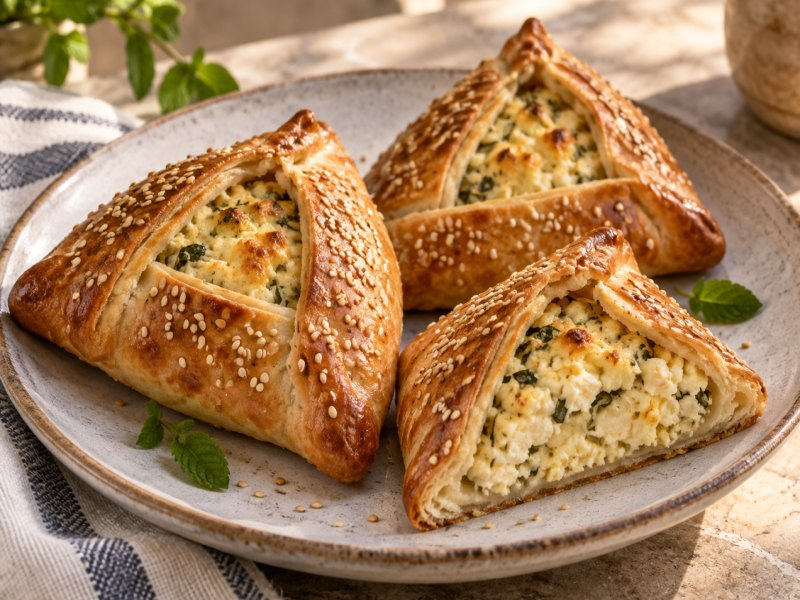
Flaouna — Cypriot Easter Cheese Bread
An Easter bread filled with anari and halloumi, scented with mahlep and mastic in the dough. In Cyprus it is known as pilavuna.
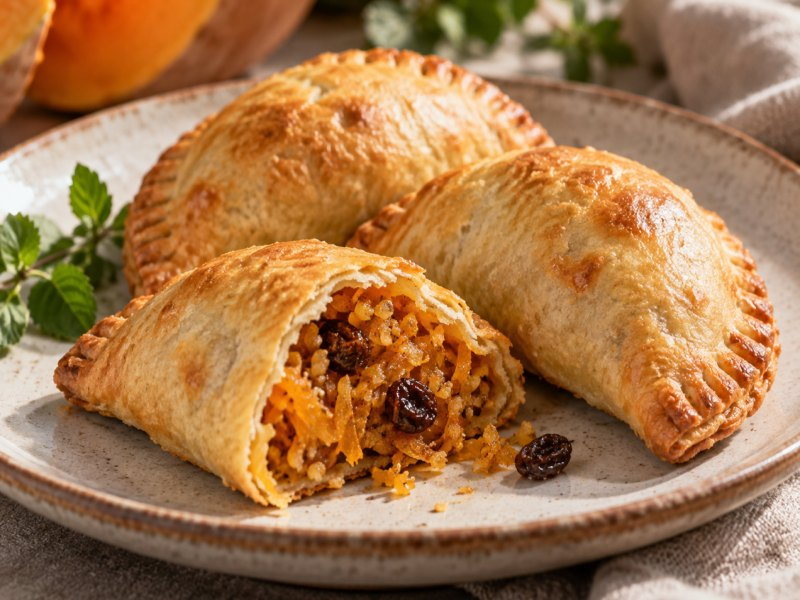
Kolokoti — Cypriot Pumpkin and Bulgur Pasty
Pumpkin, bulgur and raisins in an olive oil pastry — the classic Cypriot pasty of the fasting season.

Turkish Cheese Börek
A tray börek moistened with a milk-and-oil mixture rather than soaked, with the cheese's salt balanced first.
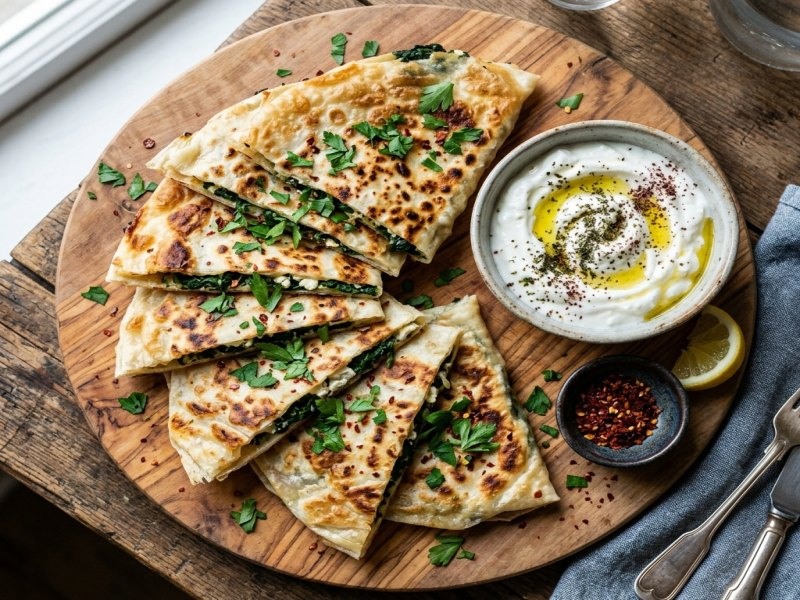
Spinach Gözleme
Thin dough filled with spinach, onion and white cheese, cooked on a griddle or in a pan. If the spinach isn't squeezed dry, the dough tears.