Oven Roasting Masterclass: Temperature, Timing and Crisping Techniques
Unlock the science of oven cooking: when to roast low-and-slow for fork-tender meats and when to blast high heat for blistered skins and caramelized roasted vegetables.
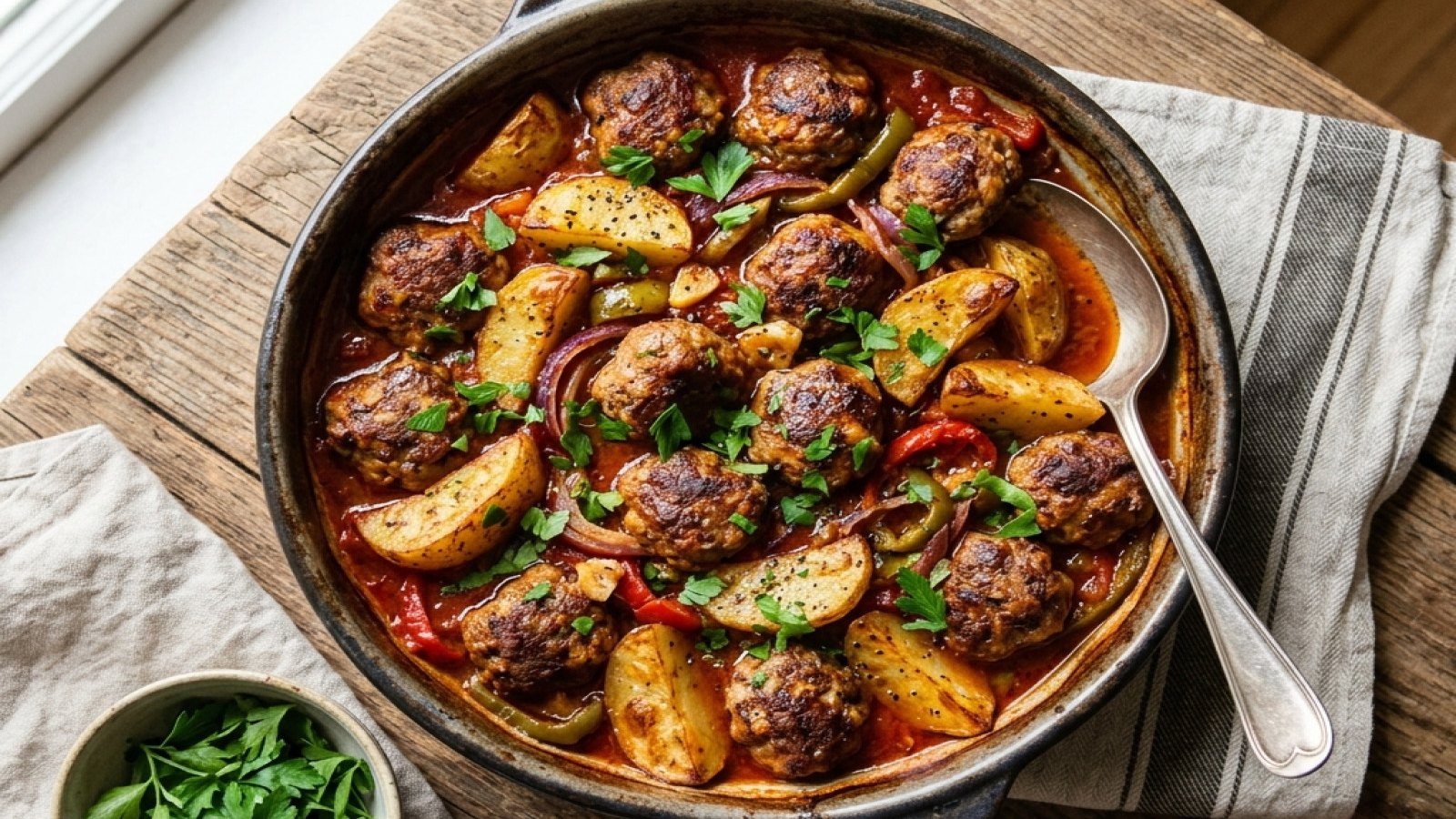
Oven Roasting Masterclass: Temperature, Timing and Crisping Techniques
The oven is the undisputed workhorse of Mediterranean gastronomy. From the clay-oven roasted lamb of Cyprus (Kleftiko) to golden olive-oil braised casseroles, temperature management dictates whether a dish turns succulent or dry.
Understanding how radiant heat, air velocity, and surface moisture interact will ensure consistent roasting success.
1. Temperature Zones & Their Culinary Functions
The Low Zone (120°C – 150°C / 250°F – 300°F)
- Best for: Tough cuts with high collagen (lamb shoulder, shank, beef chuck), braises, and clay-pot slow cooking.
- The Science: Connective tissues (collagen) melt into velvety gelatin between 60°C and 85°C. Low oven temperatures keep muscle fibers from seizing into tough strands while slow thermal transfer liquefies collagen over 3 to 5 hours.
The Moderate Baking Zone (160°C – 180°C / 325°F – 350°F)
- Best for: Whole roasted chicken, savory pies, vegetable casseroles (Moussaka, Türlü), and cakes.
- The Science: Heat penetrates deep into the center of the food at roughly the same rate as exterior browning occurs, preventing scorched crusts on foods that require even cooking.
The High Roasting Zone (190°C – 220°C / 375°F – 425°F)
- Best for: Root vegetables, potato wedges, chicken drumsticks with skin, and flatbreads.
- The Science: Triggers rapid Maillard browning and sugar caramelization. Surface moisture evaporates instantly, producing a blistered, crunchy exterior while keeping interiors moist and tender.
2. Crucial Habits of Expert Roasters
1. Pat Ingredients Dry
Moisture is the enemy of crispiness. If meat or vegetables are wet when entering a hot oven, thermal energy is wasted boiling off water vapor instead of roasting. Always pat chicken skin and root vegetables dry with paper towels before tossing with olive oil and sea salt.
2. Space Out Your Baking Sheet
Crowding ingredients traps steam. If vegetable chunks touch each other, they will stew in their own vapor rather than brown. Use a rimmed half-sheet pan and leave at least 1 cm of space between pieces.
3. Rest Meat Before Carving
Pull roasted meats when their internal temperature is 3°C to 5°C below target; carryover cooking will finish the job. Rest under tented foil for 10 to 15 minutes to allow muscle fibers to relax and reabsorb hot juices throughout the roast.
Written by the culinary editors at House Chef Cyprus. Explore slow-baked Mediterranean roasts: HouseChef Cyprus
Şefin Tavsiyesi · Ekipman
Bu Rehberde Önerilen Profesyonel Mutfak Ekipmanları
Rehberimizdeki teknikleri ve ada tariflerini evinizde şef standartlarında uygulamanız için tavsiye ettiğimiz mutfak gereçleri:

Pirge Ecco Profesyonel Şef Bıçağı 20 cm
Et, sebze ve taze ot doğramada mutfakta hız ve hassasiyet sağlayan yüksek karbonlu paslanmaz çelik bıçak.

Fakir / Soehnle Dijital Hassas Mutfak Tartısı
House Chef ölçülerinin ve hamur işlerinin tam kıvamında tutması için 1 gram hassasiyetinde dara özellikli tartı.
* Bilgilendirme: Bu kutuda yer alan ürün yönlendirmeleri gelir ortaklığı (affiliate) kapsamındadır. Beğendiğiniz ürünleri satın almanız durumunda siteye ek maliyet yansımaksızın küçük bir komisyon sağlanır.
Reklam
Related recipes
Flaouna — Cypriot Easter Cheese Bread
An Easter bread filled with anari and halloumi, scented with mahlep and mastic in the dough. In Cyprus it is known as pilavuna.

Kolokoti — Cypriot Pumpkin and Bulgur Pasty
Pumpkin, bulgur and raisins in an olive oil pastry — the classic Cypriot pasty of the fasting season.

Turkish Cheese Börek
A tray börek moistened with a milk-and-oil mixture rather than soaked, with the cheese's salt balanced first.
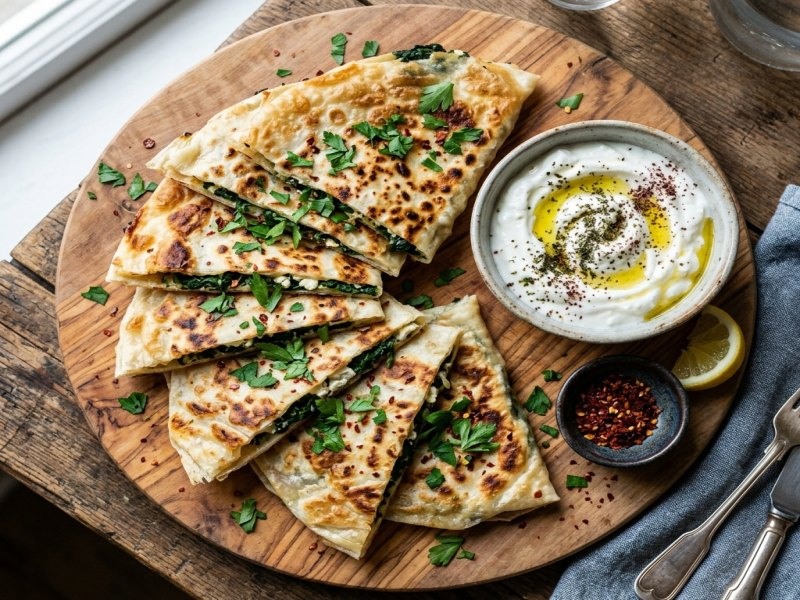
Ispanaklı Gözleme (Authentic Mediterranean Recipe)
Learn how to prepare authentic Ispanaklı Gözleme with traditional techniques, balanced seasonings, and step-by-step guidance.
Related guides
7 Common Dough and Pastry Mistakes: Proofing, Hydration and Oven Spring
Read more →Pasta and Sauce Pairing Guide: Matching Pasta Shapes to Mediterranean Sauces
Read more →How to Cook Fluffy Mediterranean Rice Pilaf: The Science of Non-Sticky Grains
Read more →Reklam