Oven Roasting Masterclass: Temperature, Timing and Crisping Techniques
Unlock the science of oven cooking: when to roast low-and-slow for fork-tender meats and when to blast high heat for blistered skins and caramelized roasted vegetables.
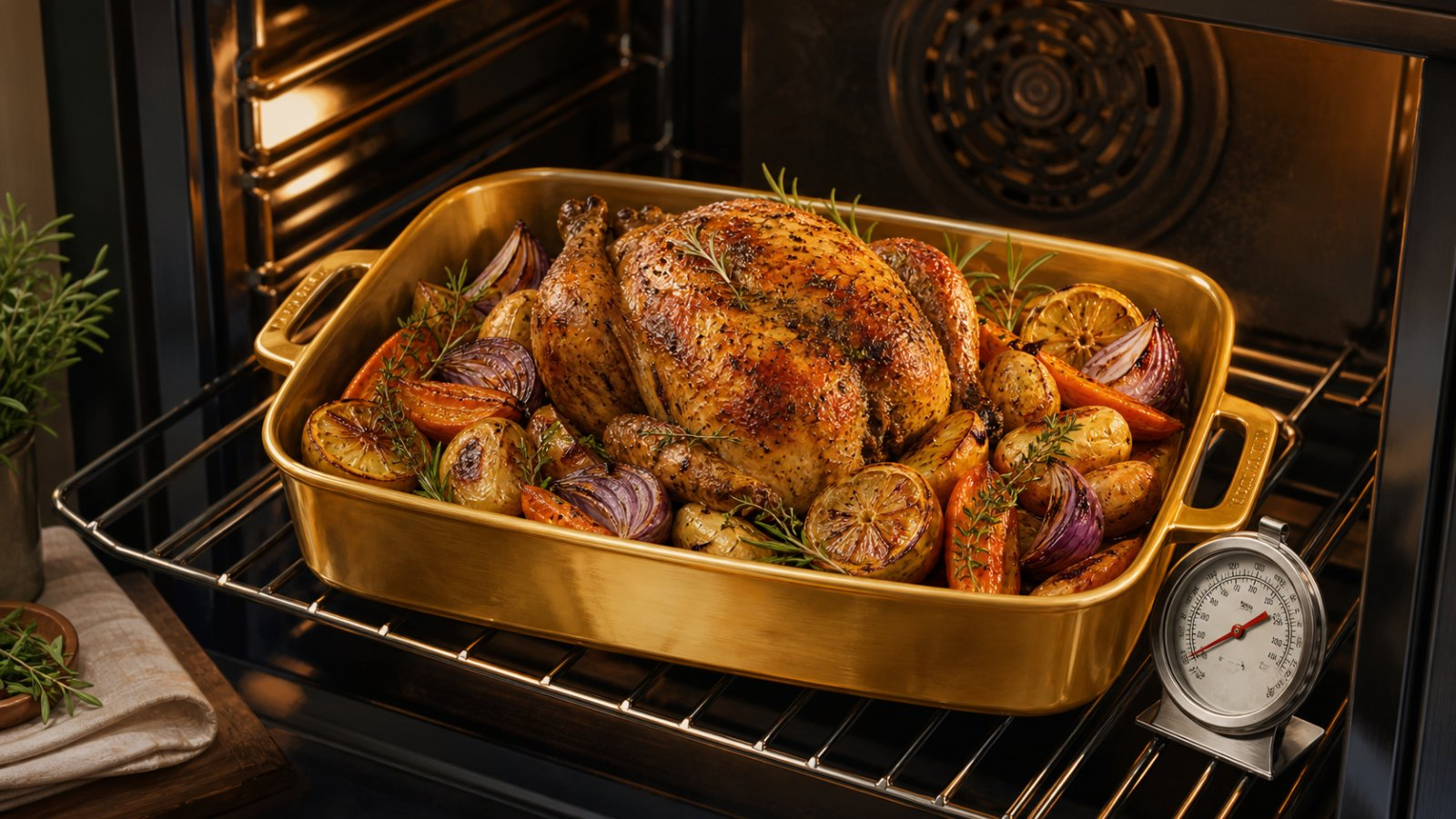
Oven Roasting Masterclass: Temperature, Timing and Crisping Techniques
The oven is the undisputed workhorse of Mediterranean gastronomy. From the clay-oven roasted lamb of Cyprus (Kleftiko) to golden olive-oil braised casseroles, temperature management dictates whether a dish turns succulent or dry.
Understanding how radiant heat, air velocity, and surface moisture interact will ensure consistent roasting success.
1. Temperature Zones & Their Culinary Functions
The Low Zone (120°C – 150°C / 250°F – 300°F)
- Best for: Tough cuts with high collagen (lamb shoulder, shank, beef chuck), braises, and clay-pot slow cooking.
- The Science: Connective tissues (collagen) melt into velvety gelatin between 60°C and 85°C. Low oven temperatures keep muscle fibers from seizing into tough strands while slow thermal transfer liquefies collagen over 3 to 5 hours.
The Moderate Baking Zone (160°C – 180°C / 325°F – 350°F)
- Best for: Whole roasted chicken, savory pies, vegetable casseroles (Moussaka, Türlü), and cakes.
- The Science: Heat penetrates deep into the center of the food at roughly the same rate as exterior browning occurs, preventing scorched crusts on foods that require even cooking.
The High Roasting Zone (190°C – 220°C / 375°F – 425°F)
- Best for: Root vegetables, potato wedges, chicken drumsticks with skin, and flatbreads.
- The Science: Triggers rapid Maillard browning and sugar caramelization. Surface moisture evaporates instantly, producing a blistered, crunchy exterior while keeping interiors moist and tender.
2. Crucial Habits of Expert Roasters
1. Pat Ingredients Dry
Moisture is the enemy of crispiness. If meat or vegetables are wet when entering a hot oven, thermal energy is wasted boiling off water vapor instead of roasting. Always pat chicken skin and root vegetables dry with paper towels before tossing with olive oil and sea salt.
2. Space Out Your Baking Sheet
Crowding ingredients traps steam. If vegetable chunks touch each other, they will stew in their own vapor rather than brown. Use a rimmed half-sheet pan and leave at least 1 cm of space between pieces.
3. Rest Meat Before Carving
Pull roasted meats when their internal temperature is 3°C to 5°C below target; carryover cooking will finish the job. Rest under tented foil for 10 to 15 minutes to allow muscle fibers to relax and reabsorb hot juices throughout the roast.
Written by the culinary editors at House Chef Cyprus. Explore slow-baked Mediterranean roasts: HouseChef Cyprus
Traditional Cypriot Techniques and Island Cooking Methods
The timeless secret of Cypriot cuisine lies in cooking techniques that honor the purity of fresh ingredients through patient, measured preparation. Rather than rushing with aggressive high heat, island home chefs rely on heavy cast-iron cookware or traditional earthenware casseroles simmered over low flames. In classic stew preparations, finely diced onions and local garlic are gently sweated without browning, preserving the delicate, fruity undertones of extra-virgin olive oil. As meats and vegetables simmer gently in their own natural juices, wild mountain herbs and sun-dried bay leaves infuse the broth with deep Mediterranean warmth. When baking, covered ceramic dishes lock in moisture, ensuring that cuts remain succulent and garden vegetables cook through to tender perfection.
Sourcing Geographical Heritage Produce in Cyprus
Blessed by a distinct microclimate, Cyprus yields some of the most aromatic agricultural produce in the eastern Mediterranean basin. Cold-pressed extra-virgin olive oil extracted from century-old groves on the foothills of Kyrenia and the Karpas peninsula forms the foundation of every meal while adding a vibrant golden finish when drizzled before serving. Herbs such as crushed coriander seeds, wild mountain thyme, hand-picked sumac, and fragrant dried mint are balanced to elevate main ingredients rather than overpower them. Fresh citrus freshly squeezed from Morphou orchards lends a crisp, sun-drenched acidity that brings brightness to hearty casseroles, roasted meats, and seafood marinades alike.
Home Chef Tips for Ingredient Storage & Freshness
When cooking island-inspired recipes at home, maintaining moisture balance and ingredient freshness is essential for authentic flavor. Produce selected from weekly farmers markets in Nicosia and Famagusta stays crisp and fragrant when wrapped in clean cotton cloths before storage. Heritage cheeses such as halloumi and fresh anari should be stored in natural brine or airtight glass containers to preserve their delicate curd elasticity. Resting cooked dishes overnight in a cool pantry or refrigerator allows aromatic oils to settle, deepening flavor complexity as celebrated in traditional village feasts.
Mediterranean Table Traditions & Dining Etiquette
In Cypriot culture, a meal is never a solitary affair; it is a lively celebration of hospitality, family unity, and shared abundance. Dishes are traditionally presented on communal hand-crafted ceramic platters at warm room temperature to allow each layer of flavor to be appreciated fully. Accompaniments such as crusty village bread, cracked green chakistes olives, crisp wild arugula, and cool cucumber-yogurt dip complete the table spread. By uniting authentic island ingredients with patient cooking craftsmanship, you bring the enduring spirit of Cyprus directly into your home.
Şefin Tavsiyesi · Ekipman
Bu Rehberde Önerilen Profesyonel Mutfak Ekipmanları
Rehberimizdeki teknikleri ve ada tariflerini evinizde şef standartlarında uygulamanız için tavsiye ettiğimiz mutfak gereçleri:
Pirge Ecco Profesyonel Şef Bıçağı 20 cm
Et, sebze ve taze ot doğramada mutfakta hız ve hassasiyet sağlayan yüksek karbonlu paslanmaz çelik bıçak.
Fakir / Soehnle Dijital Hassas Mutfak Tartısı
House Chef ölçülerinin ve hamur işlerinin tam kıvamında tutması için 1 gram hassasiyetinde dara özellikli tartı.
* Bilgilendirme: Bu kutuda yer alan ürün yönlendirmeleri gelir ortaklığı (affiliate) kapsamındadır. Beğendiğiniz ürünleri satın almanız durumunda siteye ek maliyet yansımaksızın küçük bir komisyon sağlanır.
Frequently asked questions
Fanlı fırında sıcaklık ne olmalı?
Tarifte yazan sıcaklığı 20°C düşürün. Fan sıcak havayı dolaştırdığı için ısı transferi hızlanır; 180°C fansız yazan bir tarif fanlı fırında 160°C demektir. Kek, sufle ve ekmek gibi nazik kabarma isteyen tariflerde fanı hiç kullanmamak daha iyidir.
Fırını ne kadar önceden ısıtmalıyım?
Termostat hedef sıcaklığa ulaştığını bildirdikten sonra en az 15 dakika daha bekleyin. Sinyal yalnız hava sıcaklığını gösterir; fırının metal gövdesi ve rafları henüz ısınmamıştır. Bu fark özellikle hamur işlerinde belirleyicidir.
Tavuğun piştiğini nasıl anlarım?
En güvenilir yol iç sıcaklık ölçmektir; tavukta hedef 74°C'dir. Termometreyi etin en kalın yerine, kemiğe değdirmeden batırın. Termometreniz yoksa but ile gövde arasına bıçak batırın: akan su berrak olmalı, pembe olmamalıdır.
Fırın sebzeleri neden kızarmıyor?
Tepsi kalabalık olduğu için. Sebzeler üst üste geldiğinde çıkan buhar hapsolur ve yemek kızarmak yerine buharda pişer. Sebzeleri tek kat, aralarında boşluk bırakarak yayın; gerekiyorsa iki tepsi kullanın. Sıcaklığı 200-210°C tutun.
Eti fırından çıkarınca neden dinlendirmeliyim?
Pişme sırasında kas lifleri kasılır ve suyu merkeze doğru iter. Hemen kesilirse bu su tahtaya akar ve et kurur. Parça tavuk 5, bütün tavuk 15, büyük et parçası 15-20 dakika dinlenmelidir. Üzerini folyoyla gevşekçe örtün; sıkı sarmak kabuğu yumuşatır.
Related recipes
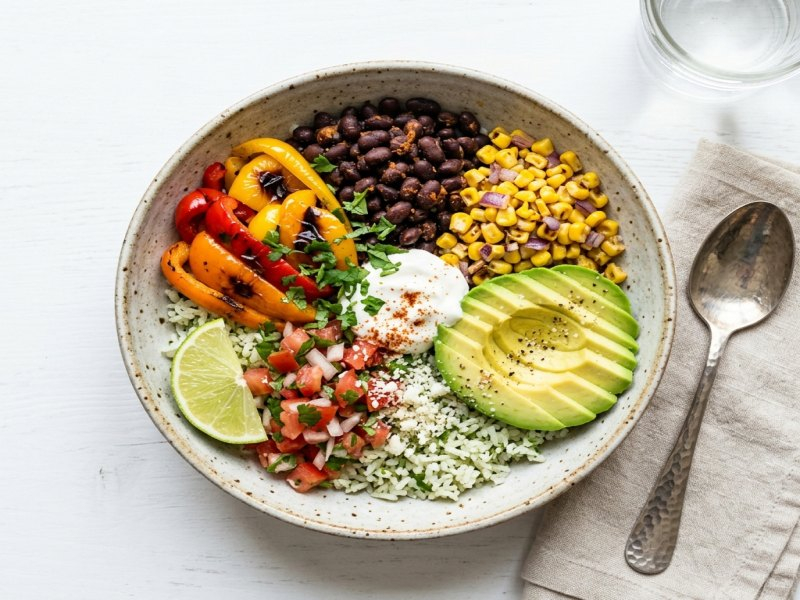
Fırın Sebzeli Taco Kasesi (Authentic Mediterranean Recipe)
Learn how to prepare authentic Fırın Sebzeli Taco Kasesi with traditional techniques, balanced seasonings, and step-by-step guidance.