How to Cook Fluffy Mediterranean Rice Pilaf: The Science of Non-Sticky Grains
Learn why homemade rice pilaf turns mushy and how to achieve perfectly separated, fluffy grains every time using Mediterranean butter-toasting and resting secrets.
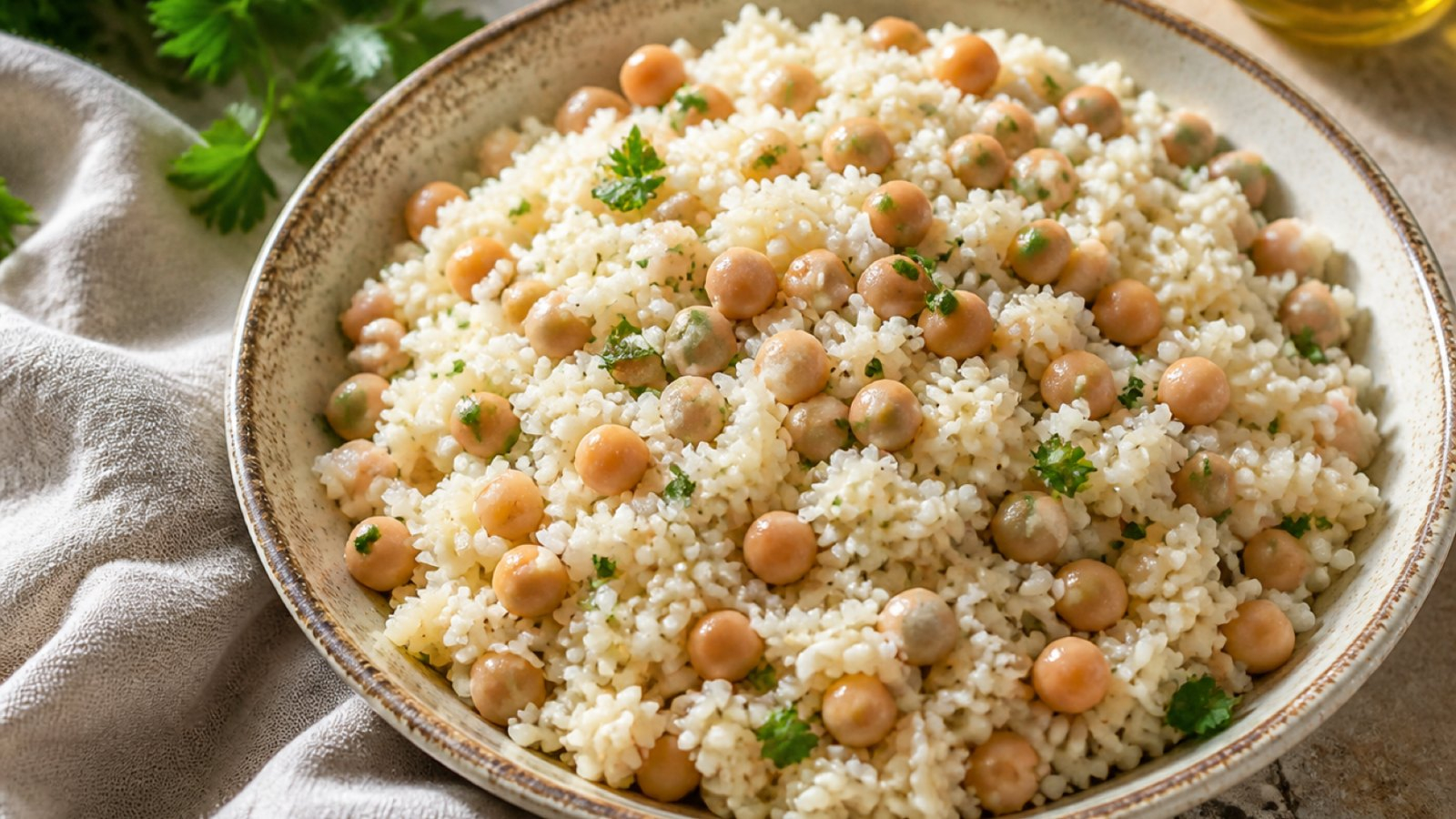
How to Cook Fluffy Mediterranean Rice Pilaf: The Science of Non-Sticky Grains
In Mediterranean and Middle Eastern culinary traditions, a chef's mastery is judged by their rice pilaf (Şehriyeli Pirinç Pilavı). Each grain must stand individually proud—tender, glistening with clarified butter, and completely devoid of gumminess.
If your rice frequently clumps, turns mushy, or sticks to the base of the pan, understanding the starch science and cooking mechanics will transform your results.
1. The Starch Dilemma: Amylose vs. Amylopectin
Rice contains two types of starch:
- Amylose: Long, straight starch molecules that cook firm and keep grains distinct.
- Amylopectin: Branched starch molecules that burst during boiling, creating stickiness.
Medium and short-grain varieties (like Baldo or Osmancık) have balanced starch ratios. To keep them from turning into sticky risotto, you must address surface starch before cooking.
2. The 4 Non-Negotiable Rules of Perfect Pilaf
Step 1: The Warm Salted Soak
Never dump raw rice straight into boiling broth.
- Technique: Submerge rice in warm (not boiling) salted water for 20 to 30 minutes. The salt strengthens grain walls while drawing excess surface starch outward.
- Rinse: Wash under cold running water until the runoff is crystal clear.
Step 2: The Sauté / Toasting (Kavurma)
This is the foundational difference between boiled rice and authentic Mediterranean pilaf.
- Technique: Melt olive oil and butter in a wide, heavy-bottomed pan. Add the thoroughly drained rice and sauté over medium heat for 4 to 6 minutes.
- Visual Cue: The grains will transition from translucent to a bright chalky white, then begin to make a gentle rustling sound like glass beads. This toasts the starch sheath, locking each grain.
Step 3: Exact Water Ratios and Simmering
- The golden ratio: For Baldo rice, use 1 : 1.5 (1 cup soaked rice to 1.5 cups boiling broth).
- Always use boiling hot stock: Pouring cold liquid shocks the toasted grains and unevenly cools the pan.
- Close the lid and do not stir: Stirring while cooking ruptures delicate rice kernels, releasing starch into the liquid.
Step 4: The Sacred Steam Rest (Demleme)
Cooking does not end when the liquid vanishes.
- Technique: As soon as small crater holes appear on the rice surface and no broth puddles at the bottom, take the pan off the heat.
- Paper Towel Seal: Place a double layer of clean paper towels over the pot and press the lid firmly down. Rest untouched for 15 to 20 minutes. The paper absorbs condensation droplets that would otherwise drip back down and turn top grains soggy.
3. Chef's Finishing Touch
Gently fluff the rested pilaf with a flat wooden spatula using wide lifting motions from the rim toward the center. Serve warm beside braised meat, tender chicken kebabs, or crisp seasonal salads.
Curated by House Chef Cyprus. Discover authentic Mediterranean side dishes and pilafs: HouseChef Cyprus
Traditional Cypriot Techniques and Island Cooking Methods
The timeless secret of Cypriot cuisine lies in cooking techniques that honor the purity of fresh ingredients through patient, measured preparation. Rather than rushing with aggressive high heat, island home chefs rely on heavy cast-iron cookware or traditional earthenware casseroles simmered over low flames. In classic stew preparations, finely diced onions and local garlic are gently sweated without browning, preserving the delicate, fruity undertones of extra-virgin olive oil. As meats and vegetables simmer gently in their own natural juices, wild mountain herbs and sun-dried bay leaves infuse the broth with deep Mediterranean warmth. When baking, covered ceramic dishes lock in moisture, ensuring that cuts remain succulent and garden vegetables cook through to tender perfection.
Sourcing Geographical Heritage Produce in Cyprus
Blessed by a distinct microclimate, Cyprus yields some of the most aromatic agricultural produce in the eastern Mediterranean basin. Cold-pressed extra-virgin olive oil extracted from century-old groves on the foothills of Kyrenia and the Karpas peninsula forms the foundation of every meal while adding a vibrant golden finish when drizzled before serving. Herbs such as crushed coriander seeds, wild mountain thyme, hand-picked sumac, and fragrant dried mint are balanced to elevate main ingredients rather than overpower them. Fresh citrus freshly squeezed from Morphou orchards lends a crisp, sun-drenched acidity that brings brightness to hearty casseroles, roasted meats, and seafood marinades alike.
Home Chef Tips for Ingredient Storage & Freshness
When cooking island-inspired recipes at home, maintaining moisture balance and ingredient freshness is essential for authentic flavor. Produce selected from weekly farmers markets in Nicosia and Famagusta stays crisp and fragrant when wrapped in clean cotton cloths before storage. Heritage cheeses such as halloumi and fresh anari should be stored in natural brine or airtight glass containers to preserve their delicate curd elasticity. Resting cooked dishes overnight in a cool pantry or refrigerator allows aromatic oils to settle, deepening flavor complexity as celebrated in traditional village feasts.
Mediterranean Table Traditions & Dining Etiquette
In Cypriot culture, a meal is never a solitary affair; it is a lively celebration of hospitality, family unity, and shared abundance. Dishes are traditionally presented on communal hand-crafted ceramic platters at warm room temperature to allow each layer of flavor to be appreciated fully. Accompaniments such as crusty village bread, cracked green chakistes olives, crisp wild arugula, and cool cucumber-yogurt dip complete the table spread. By uniting authentic island ingredients with patient cooking craftsmanship, you bring the enduring spirit of Cyprus directly into your home.
Şefin Tavsiyesi · Ekipman
Bu Rehberde Önerilen Profesyonel Mutfak Ekipmanları
Rehberimizdeki teknikleri ve ada tariflerini evinizde şef standartlarında uygulamanız için tavsiye ettiğimiz mutfak gereçleri:
Pirge Ecco Profesyonel Şef Bıçağı 20 cm
Et, sebze ve taze ot doğramada mutfakta hız ve hassasiyet sağlayan yüksek karbonlu paslanmaz çelik bıçak.
Fakir / Soehnle Dijital Hassas Mutfak Tartısı
House Chef ölçülerinin ve hamur işlerinin tam kıvamında tutması için 1 gram hassasiyetinde dara özellikli tartı.
* Bilgilendirme: Bu kutuda yer alan ürün yönlendirmeleri gelir ortaklığı (affiliate) kapsamındadır. Beğendiğiniz ürünleri satın almanız durumunda siteye ek maliyet yansımaksızın küçük bir komisyon sağlanır.
Frequently asked questions
Pilav neden lapa olur?
En yaygın sebep pirincin yeterince yıkanmamasıdır. Tanenin dışındaki serbest nişasta suya karışıp jelleşir ve taneleri yapıştırır. İkinci sebep fazla su, üçüncüsü pişerken karıştırmaktır. Pirinci su berraklaşana kadar yıkamak sorunun büyük kısmını çözer.
Pilavda su oranı ne olmalı?
Bekletilmiş pirinç için 1 ölçü pirince 1,5 ölçü sıcak su yeterlidir. Pirinci bekletmediyseniz 1,75 ölçüye çıkarın, çünkü bekletme sırasında tane zaten su alır. Pilavlık bulgurda oran 1 ölçü bulgura 2 ölçü sudur.
Pilav demlenmesi neden gerekli?
Pişme bittiğinde tanelerin nem dağılımı eşit değildir; dış taraf ıslak, iç taraf kurudur. Kapak ile pilav arasına konan bezle 10-15 dakika dinlendirmek nemi tane içinde dengeler ve kapakta yoğunlaşan buharın geri damlamasını engeller. Demlenmeyen pilavın altı ıslak kalır.
Pirinci kavurmak şart mı?
Şarttır. Pirinci yağda 2-3 dakika, tane şeffaflaşana kadar çevirmek tanenin dışını yağla kaplar ve nişastanın suya geçişini yavaşlatır. Bu adım atlandığında pilav belirgin biçimde daha yapışkan olur.
Pilavı pişerken karıştırmalı mıyım?
Hayır. Su eklendikten sonra kapak kapalı kalmalı, karıştırılmamalıdır. Her karıştırma taneleri birbirine sürterek nişasta açığa çıkarır ve yapışmayı artırır. Pişme bittikten ve demlendikten sonra kaşıkla değil, çatalla alttan üste doğru kabartın.
Related recipes

Etli Kabak Dolması (Authentic Mediterranean Recipe)
Learn how to prepare authentic Etli Kabak Dolması with traditional techniques, balanced seasonings, and step-by-step guidance.