7 Common Dough and Pastry Mistakes: Proofing, Hydration and Oven Spring
Baking is chemistry. Discover the 7 most frequent baking pitfalls—from yeast temperature shock to over-kneading—and learn how to achieve bakery-quality breads and pastries.
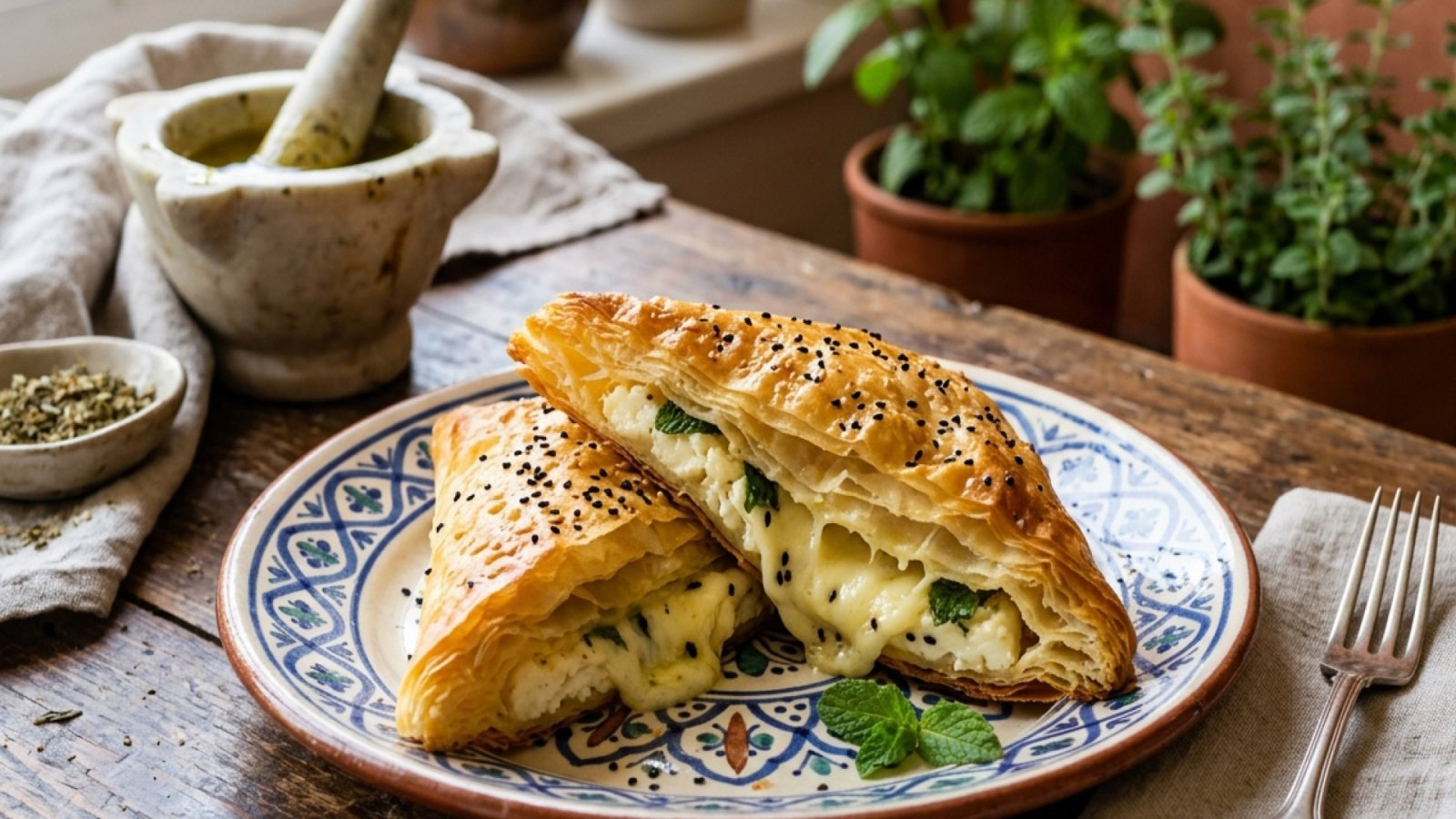
7 Common Dough and Pastry Mistakes: Proofing, Hydration and Oven Spring
Baking is the most unforgiving discipline in culinary arts. While a stovetop stew allows you to taste and adjust seasonings at every step, once a loaf of bread or tray of pastries enters the oven, its fate is sealed by chemistry.
Here are the seven most common baking errors and how to prevent them in your kitchen.
1. Yeast Temperature Shock
Yeast is a living organism with precise thermal tolerances:
- The Mistake: Dissolving yeast in water that feels "pleasantly hot" to the touch (above 45°C / 113°F). This kills the yeast cells instantly.
- The Fix: Liquid should feel lukewarm—matching your inner wrist temperature (around 36°C – 38°C / 97°F – 100°F). When using dry active yeast, allow it to foam for 5 minutes to confirm viability before adding flour.
2. Measuring Flour by Volume Instead of Weight
A cup of scooped flour can weigh anywhere between 120 grams and 160 grams depending on how firmly it was packed into the measuring cup. A 20% excess in flour turns tender pastries into dense, brick-like dough.
- The Fix: Always use a digital kitchen scale. One standard cup of all-purpose flour equals approximately 125 grams.
3. Over-Proofing or Rushing the Rise
- Under-proofed dough: Breads burst unevenly along weak seams in the oven, producing a dense crumb.
- Over-proofed dough: Yeast consumes all available sugars and exhausts its gas production. The gluten network weakens and collapses during baking, resulting in a sunken loaf.
- The Finger Poke Test: Gently press your floured fingertip 1 cm into the dough. If the indentation bounces back immediately, it needs more proofing. If it springs back slowly and leaves a faint dimple, it is ready for the oven.
4. Under-Kneading and Weak Gluten Structure
Gluten provides the elastic scaffolding that traps carbon dioxide bubbles. Without adequate kneading, bread cannot rise tall.
- The Windowpane Test: Stretch a golf-ball-sized piece of dough between your fingers. If you can stretch it thin enough for light to pass through without tearing, the gluten network is mature.
5. Adding Salt Directly Onto Yeast
Salt is hygroscopic and draws moisture out of yeast cells through osmosis, retarding or halting fermentation.
- The Fix: Whisk the salt into the flour before introducing the hydrated yeast mixture.
6. Cold Butter in Brioche vs. Melted Butter in Flaky Dough
Pastry texture depends on butter state:
- Flaky crusts (Börek, Pie, Biscuits): Butter must remain stone-cold. As cold butter flakes melt in the hot oven, their water content evaporates into steam, lifting thin pastry layers apart.
- Enriched breads (Brioche, Poğaça): Butter must be pliable and softened at room temperature so it incorporates seamlessly into the gluten strands without breaking them.
7. Slicing Warm Bread Too Early
The intoxicating aroma of freshly baked bread tempts everyone to slice it immediately. Resist the urge.
- The Science: Starch gelatinization continues setting as the loaf cools. Slicing steaming-hot bread releases essential moisture and crushes delicate crumb structures into gummy clumps. Wait at least 45 minutes on a wire cooling rack before slicing.
Curated by House Chef Cyprus. Discover authentic Mediterranean pastry and bread recipes: HouseChef Cyprus
Şefin Tavsiyesi · Ekipman
Bu Rehberde Önerilen Profesyonel Mutfak Ekipmanları
Rehberimizdeki teknikleri ve ada tariflerini evinizde şef standartlarında uygulamanız için tavsiye ettiğimiz mutfak gereçleri:

Pirge Ecco Profesyonel Şef Bıçağı 20 cm
Et, sebze ve taze ot doğramada mutfakta hız ve hassasiyet sağlayan yüksek karbonlu paslanmaz çelik bıçak.

Fakir / Soehnle Dijital Hassas Mutfak Tartısı
House Chef ölçülerinin ve hamur işlerinin tam kıvamında tutması için 1 gram hassasiyetinde dara özellikli tartı.
* Bilgilendirme: Bu kutuda yer alan ürün yönlendirmeleri gelir ortaklığı (affiliate) kapsamındadır. Beğendiğiniz ürünleri satın almanız durumunda siteye ek maliyet yansımaksızın küçük bir komisyon sağlanır.
Reklam
Related recipes

Turkish Cheese Börek
A tray börek moistened with a milk-and-oil mixture rather than soaked, with the cheese's salt balanced first.
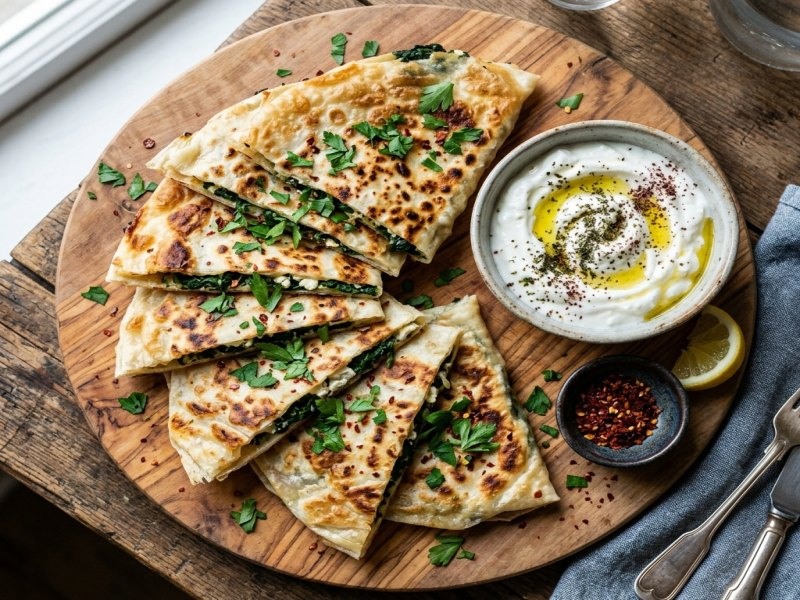
Ispanaklı Gözleme (Authentic Mediterranean Recipe)
Learn how to prepare authentic Ispanaklı Gözleme with traditional techniques, balanced seasonings, and step-by-step guidance.
Related guides
Oven Roasting Masterclass: Temperature, Timing and Crisping Techniques
Read more →Pasta and Sauce Pairing Guide: Matching Pasta Shapes to Mediterranean Sauces
Read more →How to Cook Fluffy Mediterranean Rice Pilaf: The Science of Non-Sticky Grains
Read more →Reklam