7 Common Dough and Pastry Mistakes: Proofing, Hydration and Oven Spring
Baking is chemistry. Discover the 7 most frequent baking pitfalls—from yeast temperature shock to over-kneading—and learn how to achieve bakery-quality breads and pastries.
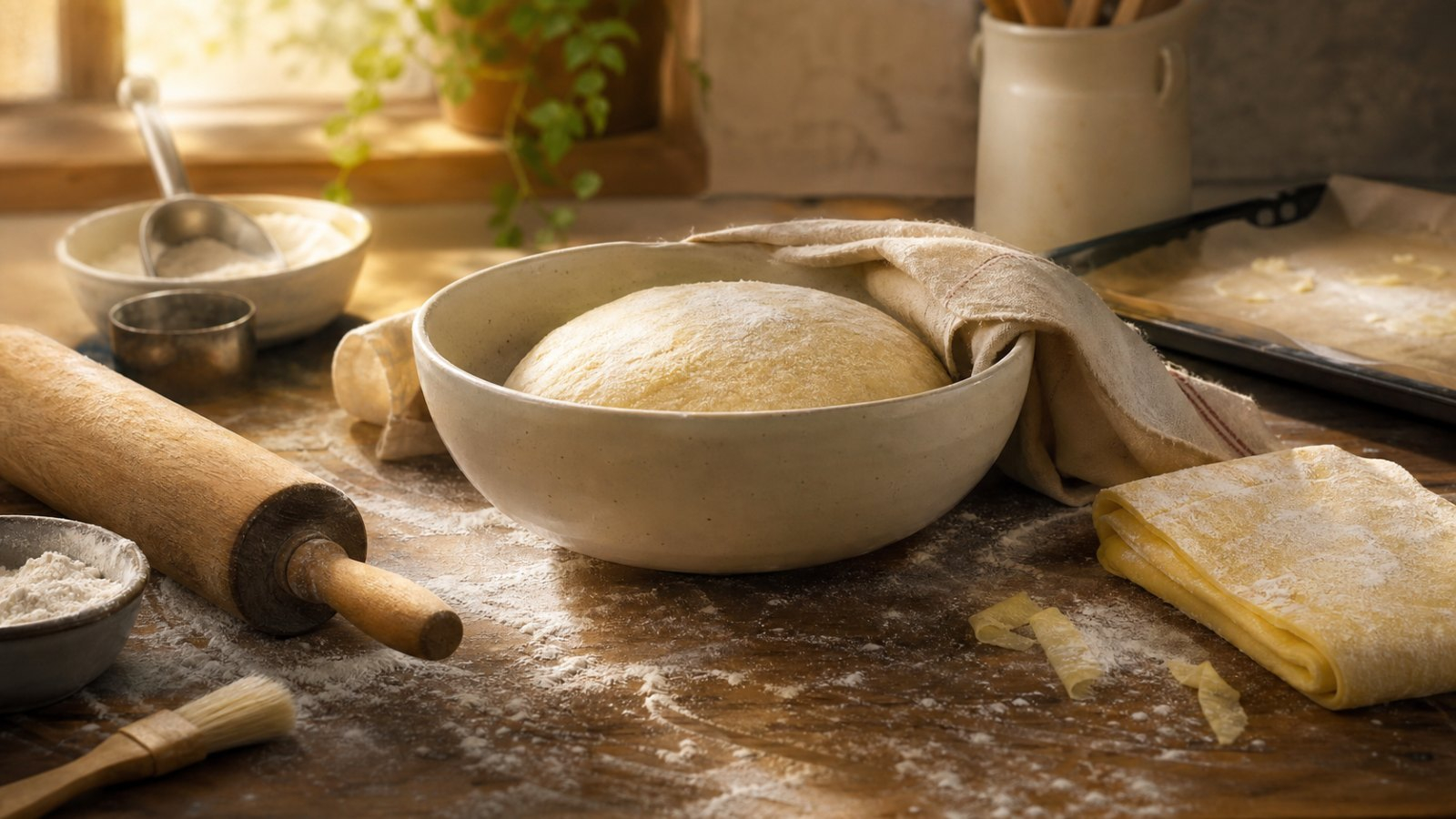
7 Common Dough and Pastry Mistakes: Proofing, Hydration and Oven Spring
Baking is the most unforgiving discipline in culinary arts. While a stovetop stew allows you to taste and adjust seasonings at every step, once a loaf of bread or tray of pastries enters the oven, its fate is sealed by chemistry.
Here are the seven most common baking errors and how to prevent them in your kitchen.
1. Yeast Temperature Shock
Yeast is a living organism with precise thermal tolerances:
- The Mistake: Dissolving yeast in water that feels "pleasantly hot" to the touch (above 45°C / 113°F). This kills the yeast cells instantly.
- The Fix: Liquid should feel lukewarm—matching your inner wrist temperature (around 36°C – 38°C / 97°F – 100°F). When using dry active yeast, allow it to foam for 5 minutes to confirm viability before adding flour.
2. Measuring Flour by Volume Instead of Weight
A cup of scooped flour can weigh anywhere between 120 grams and 160 grams depending on how firmly it was packed into the measuring cup. A 20% excess in flour turns tender pastries into dense, brick-like dough.
- The Fix: Always use a digital kitchen scale. One standard cup of all-purpose flour equals approximately 125 grams.
3. Over-Proofing or Rushing the Rise
- Under-proofed dough: Breads burst unevenly along weak seams in the oven, producing a dense crumb.
- Over-proofed dough: Yeast consumes all available sugars and exhausts its gas production. The gluten network weakens and collapses during baking, resulting in a sunken loaf.
- The Finger Poke Test: Gently press your floured fingertip 1 cm into the dough. If the indentation bounces back immediately, it needs more proofing. If it springs back slowly and leaves a faint dimple, it is ready for the oven.
4. Under-Kneading and Weak Gluten Structure
Gluten provides the elastic scaffolding that traps carbon dioxide bubbles. Without adequate kneading, bread cannot rise tall.
- The Windowpane Test: Stretch a golf-ball-sized piece of dough between your fingers. If you can stretch it thin enough for light to pass through without tearing, the gluten network is mature.
5. Adding Salt Directly Onto Yeast
Salt is hygroscopic and draws moisture out of yeast cells through osmosis, retarding or halting fermentation.
- The Fix: Whisk the salt into the flour before introducing the hydrated yeast mixture.
6. Cold Butter in Brioche vs. Melted Butter in Flaky Dough
Pastry texture depends on butter state:
- Flaky crusts (Börek, Pie, Biscuits): Butter must remain stone-cold. As cold butter flakes melt in the hot oven, their water content evaporates into steam, lifting thin pastry layers apart.
- Enriched breads (Brioche, Poğaça): Butter must be pliable and softened at room temperature so it incorporates seamlessly into the gluten strands without breaking them.
7. Slicing Warm Bread Too Early
The intoxicating aroma of freshly baked bread tempts everyone to slice it immediately. Resist the urge.
- The Science: Starch gelatinization continues setting as the loaf cools. Slicing steaming-hot bread releases essential moisture and crushes delicate crumb structures into gummy clumps. Wait at least 45 minutes on a wire cooling rack before slicing.
Curated by House Chef Cyprus. Discover authentic Mediterranean pastry and bread recipes: HouseChef Cyprus
Traditional Cypriot Techniques and Island Cooking Methods
The timeless secret of Cypriot cuisine lies in cooking techniques that honor the purity of fresh ingredients through patient, measured preparation. Rather than rushing with aggressive high heat, island home chefs rely on heavy cast-iron cookware or traditional earthenware casseroles simmered over low flames. In classic stew preparations, finely diced onions and local garlic are gently sweated without browning, preserving the delicate, fruity undertones of extra-virgin olive oil. As meats and vegetables simmer gently in their own natural juices, wild mountain herbs and sun-dried bay leaves infuse the broth with deep Mediterranean warmth. When baking, covered ceramic dishes lock in moisture, ensuring that cuts remain succulent and garden vegetables cook through to tender perfection.
Sourcing Geographical Heritage Produce in Cyprus
Blessed by a distinct microclimate, Cyprus yields some of the most aromatic agricultural produce in the eastern Mediterranean basin. Cold-pressed extra-virgin olive oil extracted from century-old groves on the foothills of Kyrenia and the Karpas peninsula forms the foundation of every meal while adding a vibrant golden finish when drizzled before serving. Herbs such as crushed coriander seeds, wild mountain thyme, hand-picked sumac, and fragrant dried mint are balanced to elevate main ingredients rather than overpower them. Fresh citrus freshly squeezed from Morphou orchards lends a crisp, sun-drenched acidity that brings brightness to hearty casseroles, roasted meats, and seafood marinades alike.
Home Chef Tips for Ingredient Storage & Freshness
When cooking island-inspired recipes at home, maintaining moisture balance and ingredient freshness is essential for authentic flavor. Produce selected from weekly farmers markets in Nicosia and Famagusta stays crisp and fragrant when wrapped in clean cotton cloths before storage. Heritage cheeses such as halloumi and fresh anari should be stored in natural brine or airtight glass containers to preserve their delicate curd elasticity. Resting cooked dishes overnight in a cool pantry or refrigerator allows aromatic oils to settle, deepening flavor complexity as celebrated in traditional village feasts.
Mediterranean Table Traditions & Dining Etiquette
In Cypriot culture, a meal is never a solitary affair; it is a lively celebration of hospitality, family unity, and shared abundance. Dishes are traditionally presented on communal hand-crafted ceramic platters at warm room temperature to allow each layer of flavor to be appreciated fully. Accompaniments such as crusty village bread, cracked green chakistes olives, crisp wild arugula, and cool cucumber-yogurt dip complete the table spread. By uniting authentic island ingredients with patient cooking craftsmanship, you bring the enduring spirit of Cyprus directly into your home.
Şefin Tavsiyesi · Ekipman
Bu Rehberde Önerilen Profesyonel Mutfak Ekipmanları
Rehberimizdeki teknikleri ve ada tariflerini evinizde şef standartlarında uygulamanız için tavsiye ettiğimiz mutfak gereçleri:
Pirge Ecco Profesyonel Şef Bıçağı 20 cm
Et, sebze ve taze ot doğramada mutfakta hız ve hassasiyet sağlayan yüksek karbonlu paslanmaz çelik bıçak.
Fakir / Soehnle Dijital Hassas Mutfak Tartısı
House Chef ölçülerinin ve hamur işlerinin tam kıvamında tutması için 1 gram hassasiyetinde dara özellikli tartı.
* Bilgilendirme: Bu kutuda yer alan ürün yönlendirmeleri gelir ortaklığı (affiliate) kapsamındadır. Beğendiğiniz ürünleri satın almanız durumunda siteye ek maliyet yansımaksızın küçük bir komisyon sağlanır.
Frequently asked questions
Hamurum neden kabarmadı?
En yaygın iki sebep ölü maya ve fazla sıcak sıvıdır. Maya 50°C üzerinde ölür, 40°C üzerinde zayıflar; sıvı ılık hissetmeli, sıcak değil. Mayanın canlı olup olmadığını ılık su, bir çay kaşığı şeker ve on dakikalık bekleyişle test edebilirsiniz: köpürmüyorsa kullanmayın.
Hamur elime yapışıyor, un ekleyeyim mi?
Genellikle hayır. Yapışkanlık çoğu zaman doğru kıvamın işaretidir ve yoğurdukça glüten geliştikçe azalır. Eklenen fazla un hamuru sert ve kuru yapar, üstelik geri alınamaz. Ellerinizi ıslatmak veya birkaç damla yağ kullanmak daha doğru çözümdür.
Börek hamuru neden lastikli oluyor?
Fazla yoğurulduğu için. Ekmekte amaç glüten geliştirmektir, ama börek, poğaça ve keklerde amaç tam tersidir. Bu tariflerde malzemeler yalnızca birleşene kadar karıştırılır; "topaklar kalsın" uyarısı gerçek bir teknik gerekliliktir.
Hamurun yeterince mayalandığını nasıl anlarım?
Süreye değil hacme bakın: hamur iki katına çıkmalıdır. Parmak testi de işe yarar; hamura parmağınızı bastırdığınızda iz yavaşça geri doluyorsa hazırdır. Hemen geri doluyorsa daha zaman ister, hiç dolmuyorsa fazla mayalanmıştır.
Fırını ne kadar önceden ısıtmalıyım?
Termostat hedef sıcaklığa ulaştıktan sonra en az 15 dakika daha bekleyin; fırının metal kütlesi henüz ısınmamıştır. Ayrıca ev fırınlarında 20-30°C sapma yaygındır, bu yüzden bir fırın termometresi belirsizliği ortadan kaldırır. Fanlı kullanıyorsanız tarifteki sıcaklığı 20°C düşürün.
Related recipes

Turkish Cheese Börek
A tray börek moistened with a milk-and-oil mixture rather than soaked, with the cheese's salt balanced first.
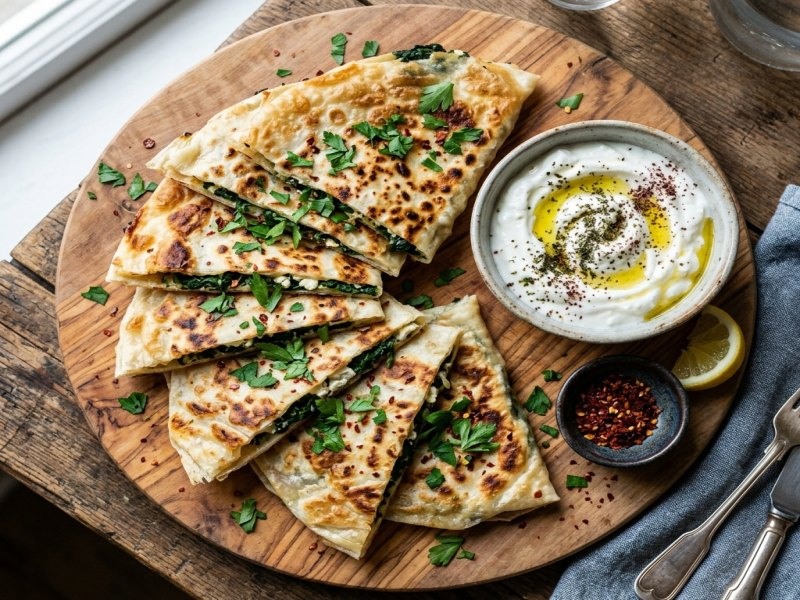
Spinach Gözleme
Thin dough filled with spinach, onion and white cheese, cooked on a griddle or in a pan. If the spinach isn't squeezed dry, the dough tears.

Hatay Usulü Peynirli Künefe (Authentic Mediterranean Recipe)
Learn how to prepare authentic Hatay Usulü Peynirli Künefe with traditional techniques, balanced seasonings, and step-by-step guidance.
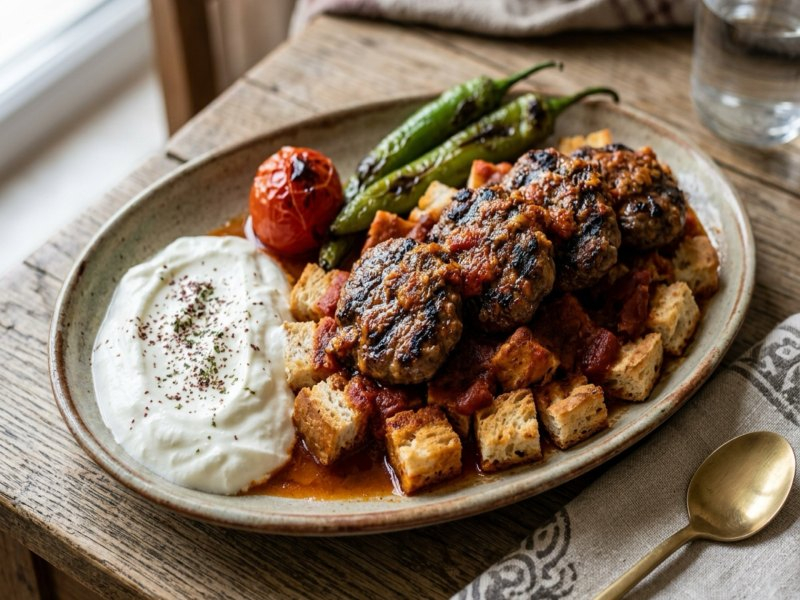
Pideli Köfte (Authentic Mediterranean Recipe)
Learn how to prepare authentic Pideli Köfte with traditional techniques, balanced seasonings, and step-by-step guidance.

Yeşil Mercimek Salatası (Authentic Mediterranean Recipe)
Learn how to prepare authentic Yeşil Mercimek Salatası with traditional techniques, balanced seasonings, and step-by-step guidance.