Künefe at Home: The Best Cheese Substitutes When You Live Outside Turkey
Can't find künefe cheese? The best substitutes (mozzarella, akkawi, Oaxaca), how to desalt brined cheese and why halloumi won't work.
Quick answer: Traditional künefe uses fresh, unsalted Antakya (Hatay) künefe cheese, which melts and stretches. Outside Turkey, the best substitute is low-moisture mozzarella mixed 50/50 with drained fresh mozzarella or ricotta. Desalted akkawi, Oaxaca cheese and desalted Turkish string cheese also work well. Don't use halloumi or paneer, because they don't melt.
Key takeaways
- A künefe cheese needs three things: it must melt, stretch and be almost unsalted.
- Salty brined cheeses (akkawi, nabulsi, string cheese) must be desalted in several changes of water first.
- Halloumi and paneer are the wrong choice. They're made not to melt.
- Antakya künefe has been an EU protected geographical indication since 2023.
What cheese is used in authentic künefe?
In Hatay province, künefe is made with a fresh local cheese produced specially for the dessert. It's soft, mild and unsalted, and it melts into long strings. The EU's description of Antakya Künefesi, registered as a Protected Geographical Indication in March 2023, lists just four components: thin shredded kadayıf pastry, fresh Antakya künefe cheese, butter and syrup (Daily Sabah).
That cheese is rarely exported, so cooks abroad have to improvise. The good news is that several widely available cheeses come very close.
The best künefe cheese substitutes, ranked
| Rank | Cheese | Stretch (1–5) | Salt | How to prepare |
|---|---|---|---|---|
| 1 | Low-moisture mozzarella + fresh mozzarella (50/50) | 5 | Low | Grate the low-moisture block, tear and drain the fresh one well, then mix |
| 2 | Akkawi (desalted) | 4 | High, until soaked | Slice, soak 4 to 8 hours, changing the water every hour, then pat dry |
| 3 | Oaxaca cheese | 5 | Low to medium | Pull into strands. Soak 1 hour if it tastes salty. |
| 4 | Turkish or Syrian string cheese (tel/dil peyniri, desalted) | 4 | High, until soaked | Pull apart and soak like akkawi |
| 5 | Mozzarella + ricotta (70/30) | 3 | Low | Drain the ricotta overnight. It adds creaminess. |
| 6 | Nabulsi (desalted) | 3 | Very high, until soaked | Boil briefly or soak overnight in several changes of water |
| ✗ | Halloumi / hellim | 0 | High | Don't use: it softens but never melts |
| ✗ | Paneer | 0 | None | Don't use: acid-set cheese doesn't melt |
| ✗ | Pre-grated pizza mozzarella | 2 | Medium | Anti-caking starch makes it grainy |
Why halloumi doesn't work (even though it's Cypriot)
People in Cyprus often ask whether they can use hellim, since it's the island's best-known cheese. Unfortunately not. Halloumi's curds are cooked in hot whey, and that heating tightens the proteins so the cheese holds its shape on a grill. That's the property that makes it a great grilling cheese and a poor künefe cheese. Read the science in our halloumi vs feta vs paneer guide. Cypriot fresh anari doesn't stretch either, but it's excellent in sweet pastries. See our anari and honey pastry guide.
How to desalt brined cheese for künefe
- Cut the cheese into slices about 1 cm thick so the salt can escape.
- Put it in a large bowl of cold water. Use plenty of water, about 10 times the weight of the cheese.
- Change the water every 60 minutes. Taste a small piece after 3 changes.
- Stop when the cheese tastes of milk, with only a faint salty edge. That usually takes 4 to 8 hours.
- Drain well and pat completely dry. Wet cheese makes soggy künefe.
Making künefe at home: the essentials
- Kadayıf: Use fresh or frozen shredded pastry (tel kadayıf). Chop it into short strands and rub it with melted clarified butter until every strand is coated.
- Pan: A small round pan, 15 to 20 cm, gives the classic thick single-serving künefe. Press in a thin layer of kadayıf, add the cheese, then another layer of kadayıf.
- Heat: Cook on the stovetop over medium-low heat, rotating the pan, until the base is deep golden. Flip it onto a plate and slide it back to cook the second side. Or bake it at 200 °C (400 °F).
- Syrup: Pour cool or warm syrup over the hot künefe as soon as it's cooked. Our syrup guide explains the sugar-to-water ratio.
- Serve: Eat it immediately, while the cheese still stretches, topped with crushed pistachios and a spoonful of kaymak.
Follow our full Hatay-style künefe recipe for quantities and timings.
Künefe, kunafa, knafeh: is it the same dessert?
They're closely related. Turkish künefe normally uses long shredded kadayıf strands and fresh unsalted cheese, and is made in small individual pans. Levantine knafeh nabulsieh, from Nablus, often uses a fine semolina-like dough on top of salty nabulsi cheese that has been desalted, and it's baked in large trays and coloured bright orange. Both are served hot with syrup, and the cheese questions in this guide apply to both.
Chef's tip: Add 1 to 2 tablespoons of drained ricotta or fresh cream cheese to any mozzarella blend. It makes the filling softer and creamier and stops it turning rubbery as it cools, which matters if you're serving several people.
Looking for more syrup desserts? Browse our list of 15 classic Turkish desserts.
Künefe troubleshooting
| Problem | Likely cause | Fix |
|---|---|---|
| The cheese doesn't stretch | The cheese is too dry, too aged, or pre-grated with starch | Use a fresh mozzarella blend and grate your own low-moisture block |
| The cheese tastes salty | Brined cheese wasn't desalted enough | Soak longer and taste after each water change |
| The pastry is soggy | Wet cheese, too much syrup, or syrup and künefe both hot | Dry the cheese well, use less syrup and pour cool syrup over hot künefe |
| The base burns before the cheese melts | The heat is too high | Use medium-low heat, rotate the pan and be patient. Or finish it in the oven. |
| It falls apart when you flip it | The kadayıf isn't coated in enough butter, or isn't pressed down | Rub every strand with butter and press each layer firmly |
| It's too sweet | The syrup is too thick, or there's too much of it | Use about 1 part sugar to 1 part water with lemon, and pour a little at a time |
If you're making künefe for guests, assemble the pans up to a few hours ahead, cover them and keep them in the fridge, then cook them just before serving. Künefe has to be eaten hot, when the cheese stretches.
Frequently asked questions
What cheese is used in künefe?
Authentic künefe from Hatay (Antakya) uses a fresh, unsalted, stretchy local cheese made for the dessert. Abroad, a blend of low-moisture and fresh mozzarella is the most reliable substitute.
Can I use mozzarella for künefe?
Yes. Mozzarella is the most popular substitute worldwide. Mixing grated low-moisture mozzarella with drained fresh mozzarella gives the best stretch and texture.
Can I use halloumi for künefe?
No. Halloumi is made so that it doesn't melt, so it stays in firm pieces instead of stretching. Use mozzarella, desalted akkawi or Oaxaca cheese.
How do you desalt akkawi cheese?
Slice it, soak it in plenty of cold water and change the water every hour for 4 to 8 hours, until it tastes mild. Then dry it thoroughly before using it.
Sources
- Daily Sabah: EU grants protected status to Antakya künefesi (March 2023)
- Anadolu Agency: Antakya künefesi PGI registration
- culture: Why grilling cheeses don't melt
Written by the House Chef Cyprus editorial team, Cyprus. Last reviewed: September 2026.
Reklam
Related recipes
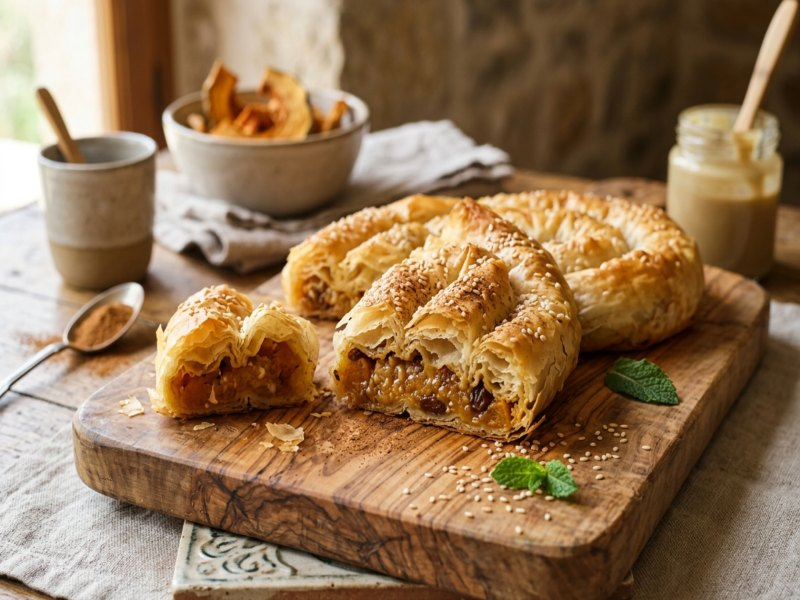
Cypriot Pumpkin and Tahini Pastries
A sweet Cypriot pastry where grated pumpkin, tahini and cinnamon meet crisp filo sheets.
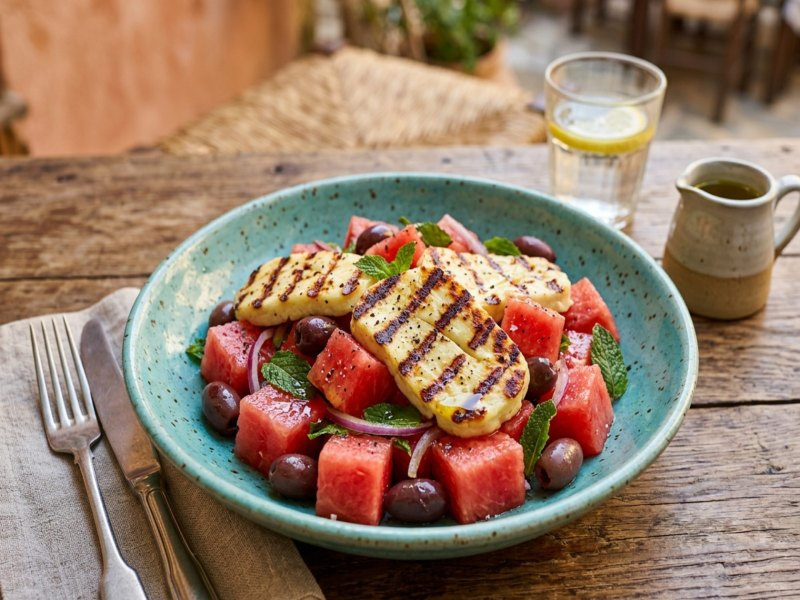
Karpaz Usulü Hellimli ve Naneli Karpuz Salatası – Watermelon Halloumi Salad Recipe
A refreshing mix of ice-cold Karpas watermelon, grilled halloumi and fresh island mint for hot summer days.
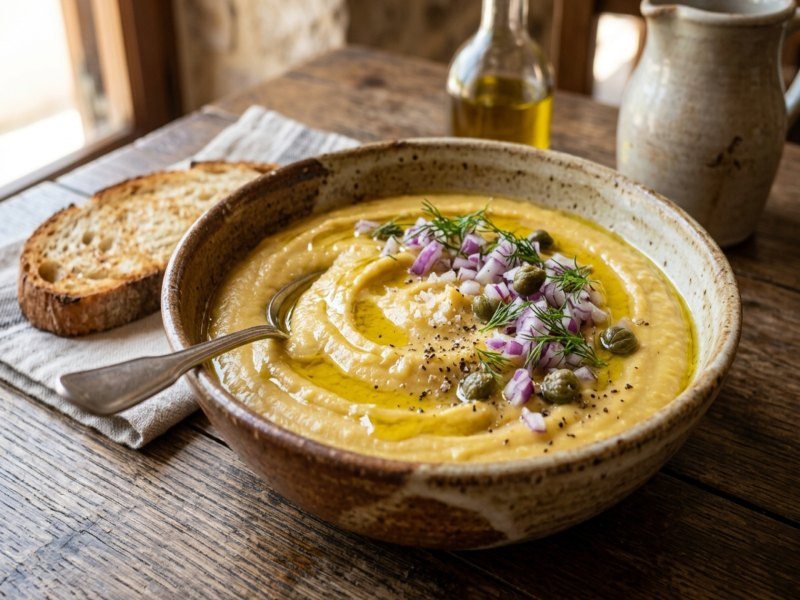
Cypriot Fava (Split Broad Bean Purée with Dill)
A silky purée of dried split broad beans with caramelised onion and plenty of extra virgin olive oil; a classic meze.
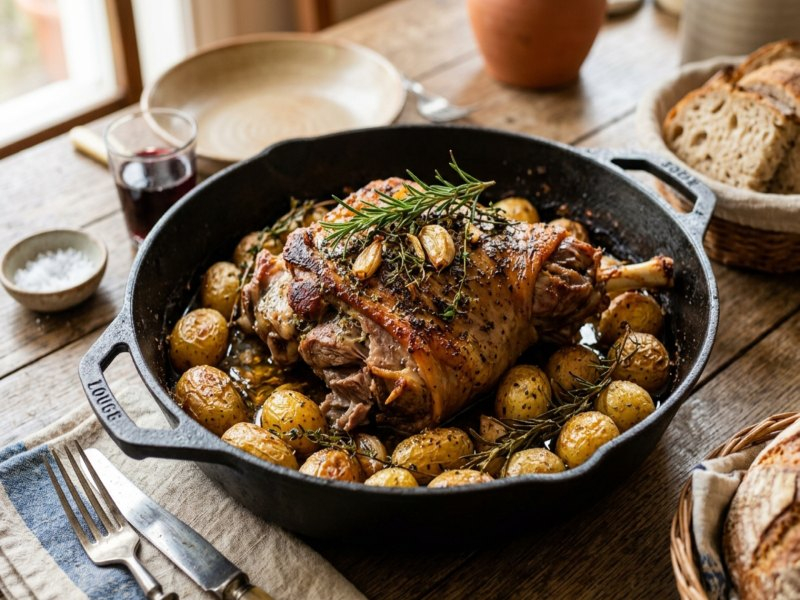
Ada Usulü Ağır Ateşte Fırın Kuzu Kol – Cypriot Slow-Roasted Lamb Shoulder Recipe
Lamb shoulder marinated with Cypriot thyme, garlic and bay leaves, then oven-roasted until so tender it falls off the bone.
Related guides
Baklava Guide: Types, How to Store It & How to Spot the Good Stuff
Read more →Vegan & Vegetarian Turkish and Cypriot Food: A Plant-Based Guide
Read more →Types of Turkish Kebab: A Complete Guide from Adana to İskender
Read more →Reklam