Pasta and Sauce Pairing Guide: Matching Pasta Shapes to Mediterranean Sauces
Discover how Italian and Mediterranean culinary wisdom pairs pasta geometry—ridges, tubes, ribbons, and twists—with the right viscosity of olive oil, seafood, and rich ragù sauces.
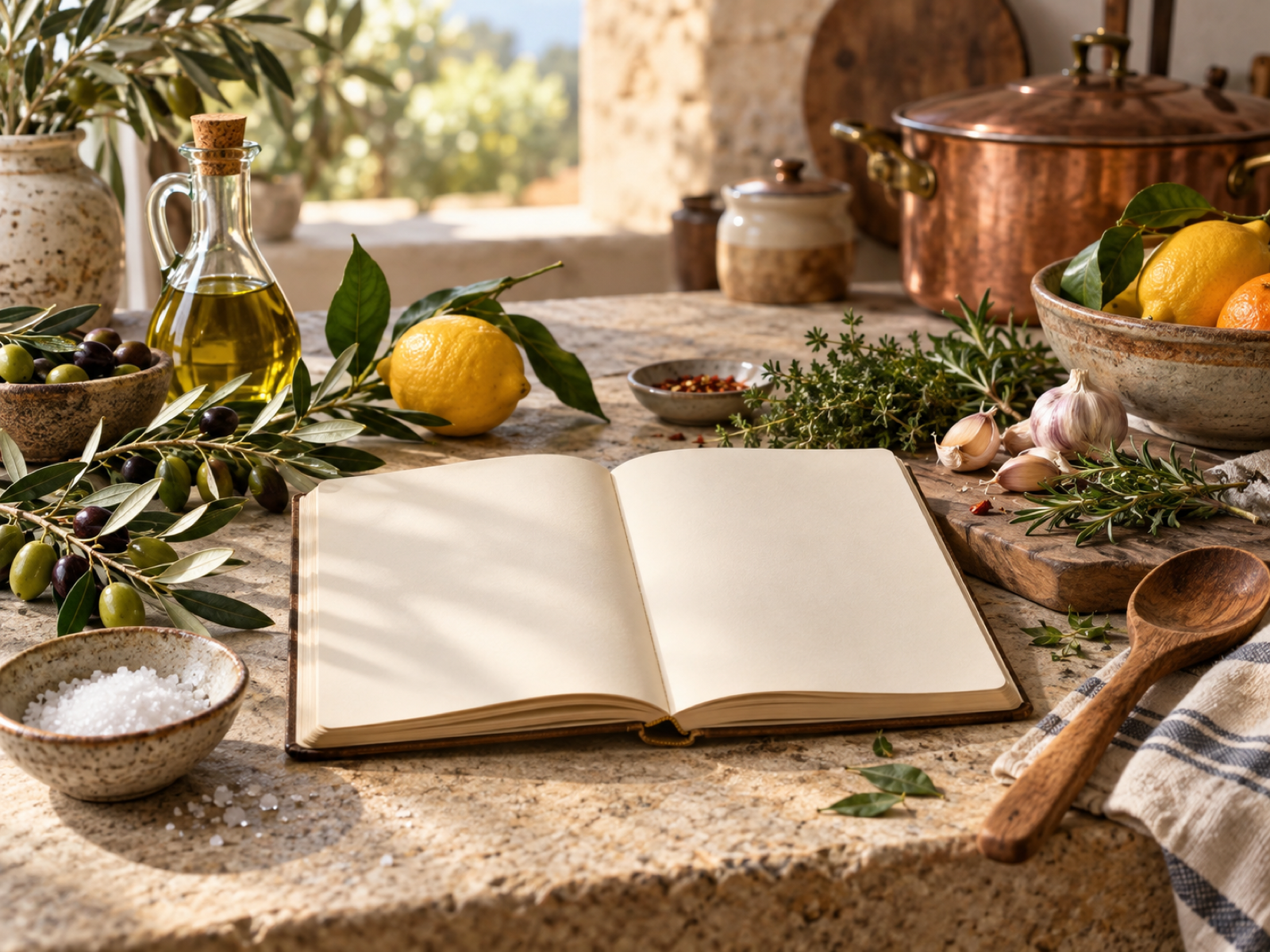
Pasta and Sauce Pairing Guide: Matching Pasta Shapes to Mediterranean Sauces
In home cooking, pasta shapes are often treated as interchangeable aesthetic choices. In authentic Mediterranean and Italian culinary traditions, however, pasta shape is functional engineering: the ridges, cavities, thickness, and curves are designed specifically to carry particular sauce viscosities.
Pairing a delicate sauce with a dense pasta shape leaves the sauce pooled at the bottom of the plate. Here is your definitive pairing map.
1. Long, Thin Ribbons & Strands (Spaghetti, Linguine, Bucatini)
Ideal Sauces:
- Light olive oil and garlic emulsifications (Aglio e Olio)
- Fresh seafood broths (clams, prawns, mussels)
- Smooth tomato reductions (Marinara)
- Emulsified egg and cheese (Carbonara)
Why it works:
Long strands lack hollow pockets, so heavy chunks of meat simply slide off. Instead, they require smooth, emulsified coatings that wrap around the circumference of each strand as you twirl your fork.
- Bucatini Exception: Bucatini has a hollow central straw, making it rugged enough for robust, peppery pancetta or Amatriciana sauces.
2. Tubular Pasta (Penne Rigate, Rigatoni, Paccheri)
Ideal Sauces:
- Slow-braised meat ragùs (Bolognese)
- Hearty Mediterranean vegetable sauces (roasted eggplant, peppers, zucchini)
- Baked pasta dishes (Pasta al Forno) with béchamel and melted cheeses
Why it works:
The ridges (rigate) on the exterior capture finely minced aromatics, while the hollow cylindrical interior traps rich meat juices and melted cheeses inside every mouthful.
3. Twisted & Spiral Shapes (Fusilli, Cavatappi, Gemelli)
Ideal Sauces:
- Fresh herb pestos (basil, wild mint, walnut, or sun-dried tomato pesto)
- Coarse vegetable purées
- Mediterranean cold pasta salads (Insalata di Pasta) with crumbled feta or halloumi
Why it works:
The corkscrew grooves act as mechanical grips for thick, textured pestos that would otherwise separate or slip off smooth pasta varieties.
4. Shells & Cup Shapes (Conchiglie, Orecchiette)
Ideal Sauces:
- Sautéed wild greens (chicory, broccoli rabe, spinach) with garlic and olive oil
- Hearty legume and pasta broths (Pasta e Fagioli)
- Chunky tomato and sausage stews
Why it works:
The concave indentation of cup-shaped pasta acts like a miniature ceramic spoon, scooping up peas, beans, and crumbles of sausage with every bite.
5. The Golden Pasta Rule: Finish in the Pan (Mantecare)
Never rinse cooked pasta under tap water. Drain pasta 2 minutes before the package indicates al dente, transfer it directly into the skillet with your simmering sauce, and ladle in 1/4 cup of the starchy pasta cooking water. Vigorously toss over medium heat to emulsify the starches and fats into a cohesive, restaurant-grade glaze.
Crafted by House Chef Cyprus. Explore our verified pasta recipes and homemade sauces: HouseChef Cyprus
Related recipes
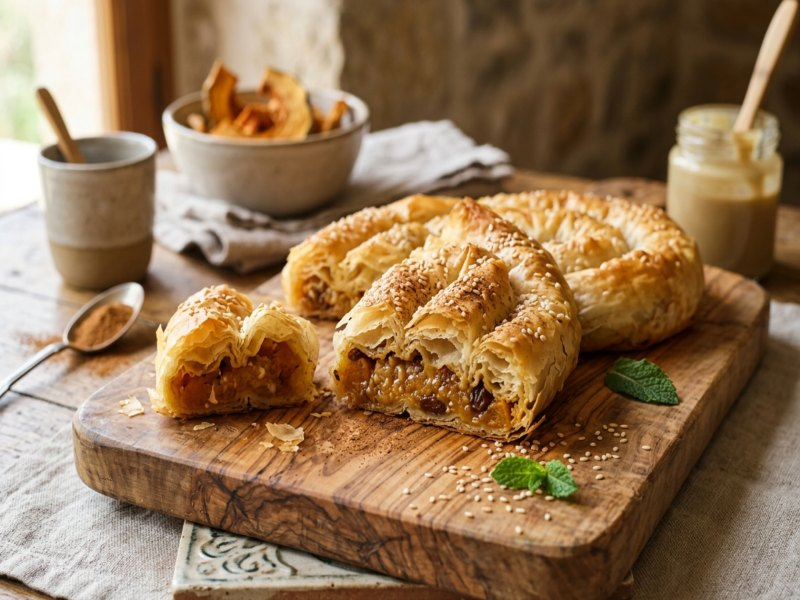
Cypriot Pumpkin and Tahini Pastries
A sweet Cypriot pastry where grated pumpkin, tahini and cinnamon meet crisp filo sheets.
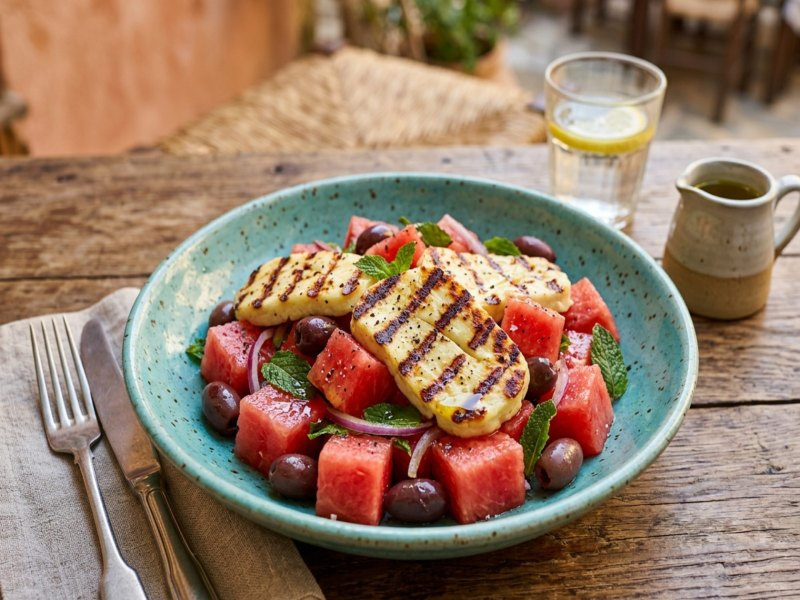
Karpaz Usulü Hellimli ve Naneli Karpuz Salatası – Watermelon Halloumi Salad Recipe
A refreshing mix of ice-cold Karpas watermelon, grilled halloumi and fresh island mint for hot summer days.
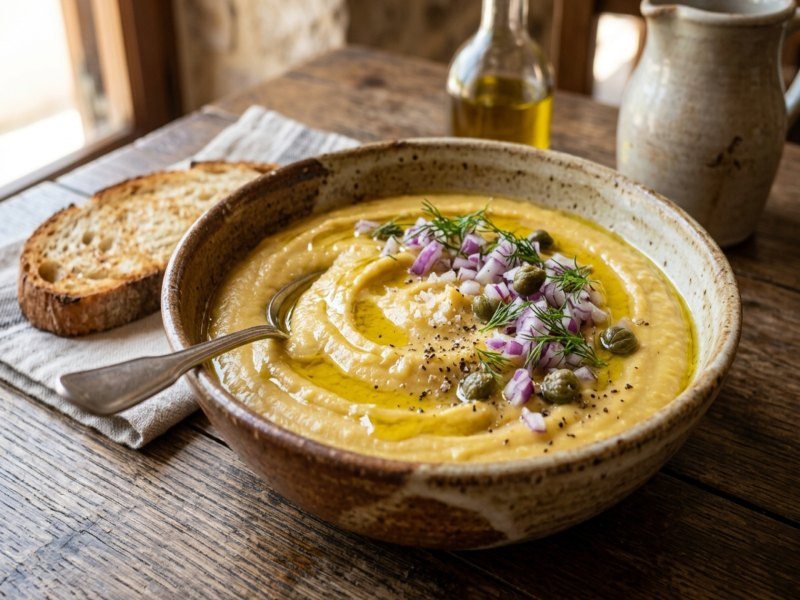
Cypriot Fava (Split Broad Bean Purée with Dill)
A silky purée of dried split broad beans with caramelised onion and plenty of extra virgin olive oil; a classic meze.
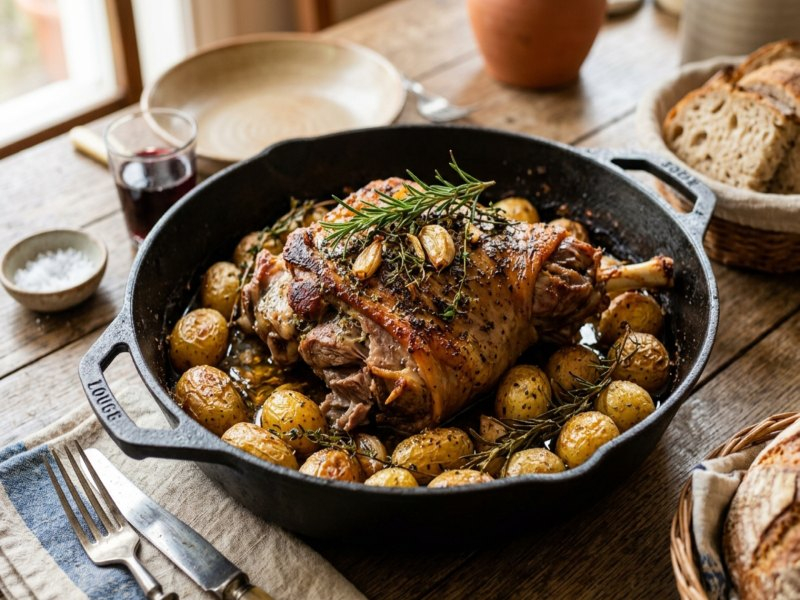
Ada Usulü Ağır Ateşte Fırın Kuzu Kol – Cypriot Slow-Roasted Lamb Shoulder Recipe
Lamb shoulder marinated with Cypriot thyme, garlic and bay leaves, then oven-roasted until so tender it falls off the bone.