Turkish Eggs (Çılbır): What They Are & How to Make Them Perfectly
Turkish eggs (çılbır) are poached eggs on garlicky yogurt with sizzling chilli butter. Here's the history, the authentic method and fixes for common mistakes.
No unrelated or generic photo is shown until a topic-specific visual with verified licensing and provenance is approved.
Quick answer:Turkish eggs, orçılbır(pronounced "chul-bur"), are poached eggs served on thick yogurt mixed with garlic, then topped with butter infused with red pepper flakes (pul biber or Aleppo pepper). Serve them with bread for mopping. The secrets are room-temperature yogurt, very fresh eggs and butter that sizzles but doesn't burn.
Key takeaways
- Çılbır has deep Ottoman roots. There are records of Ottoman sultans eating it as far back as the 15th century.
- There are only four core ingredients:eggs, yogurt, garlic and butter with pepper flakes.
- Take the yogurt out of the fridge early. Hot eggs on cold yogurt is the most common mistake.
- Usepul biber or Aleppo pepper, which gives mild, fruity heat, not cayenne.
What are Turkish eggs?
Çılbır is one of the oldest egg dishes in Turkish cooking. There are records of Ottoman sultans eating it as early as the 15th century (history), and it's still a common breakfast and light supper in Turkish homes. Brunch cafés in London and Australia helped make it popular outside Turkey, and social media later turned "Turkish eggs" into a viral recipe.
The dish works because of contrast: cool, tangy yogurt, warm runny yolk, and sharp, nutty butter coloured red with pepper. Versions of it are found across the Balkans. In Bosnia and Serbia,čimburis usually made with fried rather than poached eggs.
Ingredients for 2 people
- 4 very fresh eggs
- 300 g thick strained yogurt (süzme yoğurt) or Greek-style yogurt
- 1 small garlic clove, finely grated, and a pinch of salt
- 40 g butter
- 1 teaspoon pul biber (Aleppo pepper), plus a pinch of paprika for colour
- Optional: dried mint, fresh dill, a squeeze of lemon, sumac
- 1 tablespoon white vinegar for the poaching water
- Warm bread, simit or toasted sourdough to serve
How to make çılbır, step by step
- Warm the yogurt.Mix the yogurt with the garlic and salt. Leave it out for 30 minutes or set the bowl over warm water for 5 minutes. It should feel lukewarm, not hot, or it can split.
- Get the water ready.Bring a wide pan of water to a gentle simmer, with small bubbles only, and add the vinegar.
- Strain the eggs.Crack each egg into a fine sieve for 20 seconds to drain the watery outer white. This is how you get neat, round poached eggs.
- Poach.Slide the eggs in one at a time and cook for 3 minutes for a runny yolk. Lift them out with a slotted spoon and drain on kitchen paper.
- Make the chilli butter.Melt the butter over medium-low heat until it foams. Take it off the heat and stir in the pul biber. The butter should turn brick red and smell toasty.
- Assemble.Spread the yogurt on shallow plates, set the eggs on top, spoon the butter over and finish with dried mint or dill. Serve right away.
For exact quantities and photos, see ourgarlic yogurt çılbır recipe.
Troubleshooting: fixing the most common problems
| Problem | Why it happens | Fix |
|---|---|---|
| Poached eggs spread into wispy strands | Eggs aren't fresh enough, or the water is boiling too hard | Use the freshest eggs you can, strain off the loose white and keep the water at a bare simmer |
| The yogurt is watery | Regular (unstrained) yogurt was used | Use süzme or Greek yogurt, or strain regular yogurt in a cloth for 2 hours |
| The dish goes cold quickly | The yogurt came straight from the fridge | Bring the yogurt to room temperature first and warm the plates |
| The butter tastes bitter | The pepper flakes burned | Add the pepper off the heat. The hot butter will bloom it. |
| The garlic is harsh | Too much raw garlic, or it stood too long | Use one small clove per 300 g yogurt and mix it in just before serving |
Which pepper should you use?
Authentic çılbır usespul biber, the red pepper flakes found on every Turkish table and sold abroad as Aleppo pepper. It's fruity, slightly oily and only moderately hot. Cayenne is much hotter and has less flavour. For a smoky, darker butter, use Urfa biber (isot) instead. Ourguide to Aleppo, pul biber and Urfa peppercompares them.
Variations to try
- Herby:Fold chopped dill and parsley into the yogurt. This works well in spring.
- Cypriot-style:Add a few slices of friedhalloumion the side and finish with dried mint.
- Sage butter:Fry a few sage leaves in the butter before adding the pepper, a modern restaurant touch.
- Homemade yogurt:Make your own thick yogurt with ourfirm homemade yogurt method.
- Clarified butter:Use ghee for a nuttier topping that doesn't burn easily. See ourhomemade ghee guide.
Chef's tip:Serve Turkish eggs in shallow bowls you've warmed with hot water and wiped dry. Warm bowls keep the yogurt from cooling the eggs, and it's the easiest way to make the dish taste like it does in a restaurant.
What to serve with Turkish eggs
You need bread to mop up the yogurt: crusty sourdough, a sesamesimitor a softpan bazlama. For a full brunch, add tomatoes, cucumbers, olives and a pot of tea. OurTurkish breakfast guideshows how to build the whole table.
Serving Turkish eggs for a crowd
Poaching eggs to order for eight people is stressful, but restaurants have a solution:poach ahead and reheat.
- Poach the eggs for about 2½ minutes, slightly underdone, and move them straight into a bowl of iced water. They'll keep in the fridge, in water, for up to a day.
- Just before serving, lower the eggs into barely simmering water for 45 to 60 seconds to warm them through.
- Meanwhile, spread room-temperature yogurt on warm plates and make the chilli butter.
- Drain the eggs on kitchen paper, plate them and spoon the butter over.
This way the eggs are identical and still runny, and you can sit down with your guests.
Which yogurt to buy outside Turkey
Look for thick, full-fat yogurt with no added starch or gelatine. Greek-style strained yogurt (10% fat) is the closest to Turkishsüzme yoğurt. Skyr is too tangy and firm, and low-fat yogurt tastes flat and can turn watery. If you can only find thin yogurt, spoon it into a sieve lined with a clean cloth and leave it in the fridge for a few hours.
Frequently asked questions
What are Turkish eggs made of?
Poached eggs, thick yogurt mixed with garlic and salt, and butter infused with red pepper flakes (pul biber or Aleppo pepper). Herbs such as dill or dried mint are optional.
How do you pronounce çılbır?
Roughly "chul-bur". The Turkish "ç" sounds like "ch" and the dotless "ı" is a short, unstressed vowel.
Should the yogurt be warm or cold for Turkish eggs?
Room temperature or slightly warm. Cold yogurt chills the eggs, and hot yogurt can split. Take it out of the fridge 30 minutes before you start.
Can I use fried eggs instead of poached?
Yes. Fried eggs are common in Balkan versions (čimbur). Poached eggs give the classic silky texture, though.
Are Turkish eggs spicy?
Only mildly. Pul biber (Aleppo pepper) is fruity with moderate heat, so the butter tastes warm rather than fiery.
Sources
- Çılbır: history and regional versions
- Aleppo pepper (pul biber): profile and heat
Written by the House Chef Cyprus editorial team, Cyprus. Last reviewed: September 2026.
Şefin Tavsiyesi · Ekipman
Bu Rehberde Önerilen Profesyonel Mutfak Ekipmanları
Rehberimizdeki teknikleri ve ada tariflerini evinizde şef standartlarında uygulamanız için tavsiye ettiğimiz mutfak gereçleri:
Lava Çift Kulplu Emaye Döküm Sahan Seti 20 cm
Geleneksel menemen, sucuklu yumurta, fırın mezeler ve tereyağlı sıcak servisler için ideal.
Lava Döküm Oluklu Kare Izgara Tava 26x26 cm
Kıbrıs hellim ızgarası, köfte, antrikot ve tavuk için döküm lezzeti ve mükemmel mühürleme çizgileri.
* Bilgilendirme: Bu kutuda yer alan ürün yönlendirmeleri gelir ortaklığı (affiliate) kapsamındadır. Beğendiğiniz ürünleri satın almanız durumunda siteye ek maliyet yansımaksızın küçük bir komisyon sağlanır.
Reklam
Frequently asked questions
Çılbır yumurtası nasıl poşe edilir?
Kaynar sirkeli suya yumurta kırmadan önce kaşıkla bir girdap oluşturulur. Yumurta tam merkeze nazikçe bırakılır ve 3 dakika pişirilir.
Çılbırda yoğurt neden ılık veya oda sıcaklığında olmalıdır?
Buzdolabından çıkan soğuk yoğurt sıcak poşe yumurtayı şoklar ve tereyağını dondurur. Bu yüzden yoğurt oda sıcaklığında olmalıdır.
Çılbır sosunda hangi biber kullanılır?
Geleneksel olarak acı pul biber veya Halep biberi (Aleppo pepper) tereyağında hafifçe köpürtülerek kullanılır.
Çılbır hangi ekmekle yenir?
Kızarmış ekşi mayalı köy ekmeği, çıtır simit veya taze sıcak bazlama çılbır sosunu banmak için idealdir.
Çılbır akşam yemeğinde yenir mi?
Evet, Osmanlı mutfağında çılbır hem sabah kahvaltılarında hem de hafif bir akşam öğünü veya meze olarak tüketilirdi.
Related recipes

Ispanaklı Börek (Authentic Mediterranean Recipe)
Learn how to prepare authentic Ispanaklı Börek with traditional techniques, balanced seasonings, and step-by-step guidance.
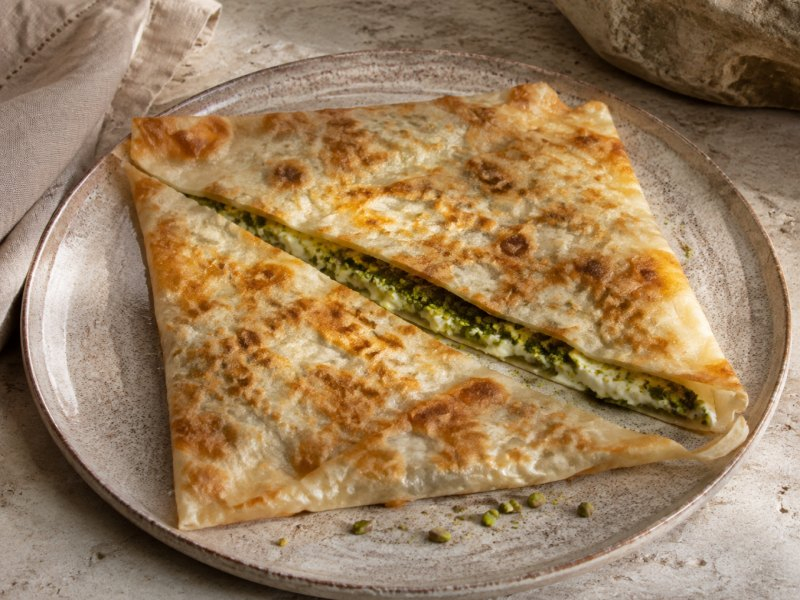
Katmer (Authentic Mediterranean Recipe)
Learn how to prepare authentic Katmer with traditional techniques, balanced seasonings, and step-by-step guidance.
Related guides
Vegan & Vegetarian Turkish and Cypriot Food: A Plant-Based Guide
Read more →Types of Turkish Kebab: A Complete Guide from Adana to İskender
Read more →Types of Turkish Börek: A Complete Guide to Turkey's (and Cyprus's) Savoury Pastries
Read more →Reklam