Cyprus Dessert Recipe (Kıbrıs Tatlısı): Syrup and Cream Balance
Breadcrumbs, walnuts and coconut give the sponge a feather-light crumb; ice-cold syrup and a custard whipped for five minutes do the rest. This is the tray Cyprus serves at weddings and feasts — with exact grams, oven temperature and the two mistakes that ruin it.

🍰 Cyprus Dessert (Kıbrıs Tatlısı): Syrup and Cream Balance, the Original Island Recipe
Of all the sweets the Mediterranean has produced, the one that reconciles the weight of syrup-soaked cakes with the coolness of milk puddings is the Cyprus Dessert (Kıbrıs Tatlısı). Its sponge is built on breadcrumbs instead of plain flour, a generous measure of chopped walnuts and fragrant desiccated coconut; once it has drunk a deliberately light syrup, a silky vanilla custard cream is spread across the top and leaves an unforgettable lightness on the palate.
In Cyprus this is one of the first desserts to reach the table at weddings, bayram holidays and large dinner parties. The island method rests on a three-layer balance: a sponge porous enough to take the syrup but firm enough not to fall apart, a cream light enough to carry it, and a syrup of exactly the right consistency to tie the two together. This guide gives you the measurements, the oven temperature, the syrup consistency and the professional touches that make the cream silky — step by step, with quantities that work first time.
Measure note: every quantity in this recipe was taken with a standard 200 ml cup. The gram equivalents are approximate; if you have kitchen scales, go by weight.
🛒 1. The Original Ingredient List (for a large rectangular baking dish)
For the sponge:
- Eggs: 3 large, at room temperature
- Granulated sugar: ½ cup (about 100 g)
- Vegetable oil: ½ cup (100 ml) — a neutral oil such as sunflower
- Breadcrumbs: 1 cup, sifted (about 90 g)
- Walnuts: 1 cup, roughly chopped (about 100 g)
- Desiccated coconut: 1 cup, grated (about 80 g)
- Baking powder: 1 sachet (8 g)
- Vanillin: 1 sachet (5 g)
For the syrup:
- Water: 2 cups (400 ml)
- Granulated sugar: 1½ cups (about 300 g)
- Lemon: 1 slice
For the silky cream:
- Whole milk: 1 litre (1000 ml)
- Cornflour or wheat starch: 1 cup (about 120 g)
- Granulated sugar: ½ cup (about 100 g)
- Vanillin: 1 sachet (5 g)
- Whipped cream powder: 1 sachet — added only once the custard has cooled completely
The syrup here does not follow the 1:1 ratio of most syrupy desserts; it is 2 : 1.5. The sugar sits a little behind the water because the sponge will drink most of it, and the dessert finds its balance as it cools. Use equal parts sugar and water and the first mouthful feels heavy — the lightness that defines the Cyprus Dessert is lost.
🧊 2. First Step: Make the Syrup and Chill It
The single golden rule of this dessert: the syrup must be completely cold, and the cake must be hot straight from the oven.
- Put the water, sugar and lemon slice in a saucepan.
- When it comes to the boil over medium heat, turn the heat down and simmer for 15 minutes.
- Take it off the heat and leave the syrup to cool completely. Once it reaches room temperature you can move it to the fridge; if you are short of time, stand the pan in a bowl of cold water to shorten the wait.
Why cold syrup? A cake that has just left the oven has open pores, and ice-cold syrup rushes straight into them so the sponge drinks it like a flannel. Pour the same syrup warm and the breadcrumbs and starch stay raw, the liquid sits outside the cake, and the dessert turns doughy. The lemon slice stops the sugar crystallising — never skip it.
🥣 3. Making and Baking the Cake
- In a large mixing bowl, beat the eggs with the ½ cup of sugar until the mixture is creamy, pale and thick — at least 4-5 minutes. This step decides how airy the cake is: under-beaten eggs give a dense, heavy sponge.
- Add the oil and mix for only a few seconds on low speed.
- Add the breadcrumbs, walnuts, coconut, baking powder and vanillin. Fold together with a spatula, bottom to top, so you do not knock the air out. The batter is thick; do not add flour.
- Spread the batter into a lightly greased large rectangular baking dish and level the surface with a spatula.
- Bake in a preheated 175°C oven for about 25-30 minutes, until the top is a deep golden brown. Toothpick test: a skewer inserted in the centre should come out with a few moist crumbs clinging to it, not wet batter.
- The moment it comes out of the oven, without waiting, ladle the ice-cold syrup evenly over the top. The cake will drink all of it within a few minutes.
If the surface of the cake cracks, the cause is almost always heat: never take the oven above 175°C, and check your oven's true temperature with an oven thermometer. That is precisely why breadcrumbs are used — the gluten in plain flour weighs the cake down, whereas breadcrumbs leave a structure that soaks up syrup without going heavy.
🍦 4. The Secret of the Silky Custard Cream
- Put the milk, starch and ½ cup of sugar in a deep saucepan. While the milk is still cold, whisk until no lumps remain; dissolving the starch before the heat goes on is the first condition of a smooth cream.
- Turn the heat on and stir constantly until the cream thickens and large bubbles break on the surface. Stop stirring and it catches on the bottom and turns grainy.
- Add the vanillin as you take the pan off the heat.
- Transfer the custard to a mixing bowl and let it cool completely, stirring now and then. Add whipped cream powder to a warm custard and the foam collapses — the cream will weep.
Chef's touch: once the custard is thoroughly cold, add 1 sachet of whipped cream powder and beat on the highest speed for at least 5 minutes. That time beats air into the cream, and the result is silky, light and easy to spread with a spatula.
🥥 5. Assembly and Resting
Once the cake has taken up all the syrup and cooled, pour the cream over it and level it with a spatula. Cover the top generously with grated coconut and crushed pistachios or walnuts.
Chill the dessert for at least 4-5 hours, ideally overnight. That waiting time is not decoration, it is the recipe: the syrup settles into the sponge, the cream finds its set, and the slice comes out cold, straight and clean. Cut it too early and the dessert falls apart and clumps on the plate.
❌ 6. Common Mistakes and Fixes
- The dessert turns doughy: the syrup was warm, or the cake had already cooled. The syrup must be ice-cold and the cake still hot from the oven when you pour it.
- The cake is dry and cracked: the oven was too hot or the beating was too short. Stay under 175°C and run the toothpick test at 25-30 minutes.
- The syrup crystallises: the lemon was left out or the simmering was too short. See the temperature and timing table in our guide Why Does Syrup Crystallise? Making Caramel That Never Grains.
- The cream weeps: the whipped cream powder went in while the custard was still lukewarm, or the beating was too short. Cool the custard completely, then whip on the highest speed for 5 minutes.
- The syrup runs over the edge of the dish: nothing is wrong with the quantities — the dish has changed. The recipe is written for a large rectangular baking dish; in a wider tray the syrup finds the sides instead of the cake.
🌡️ 7. Storage and Serving
Keep the finished dessert in the fridge, in a sealed container, for up to 3 days; because it contains cream, never put it in the freezer. Take it out 15-20 minutes before serving and let it sit at room temperature: the aroma opens up while the cream keeps its chill. Wiping the knife in warm water before each cut gives a clean slice every time.
🔗 8. Related Recipes
To explore the island's other sweets, try our Baked Rice Pudding Recipe and our Baklava Slice, or browse the whole dessert archive on the Desserts Category page.
This guide was carefully prepared by the House Chef Cyprus editorial and gastronomy team. Source and recipes: HouseChef Cyprus
Reklam
Cypriot Cuisine
Every verified recipe in one collection
Related recipes
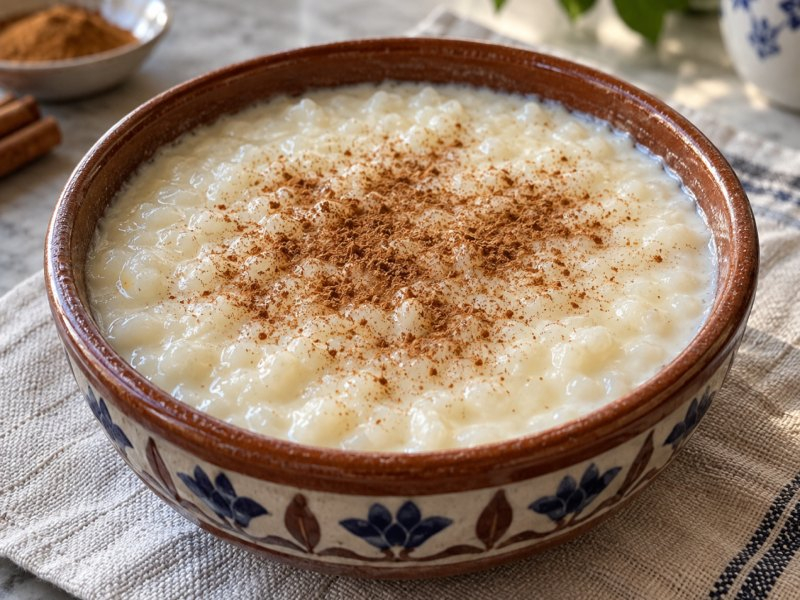
Sutlac — Turkish Baked Rice Pudding
Burst the rice in its own water before the milk goes in; that is what sets the texture without starch.
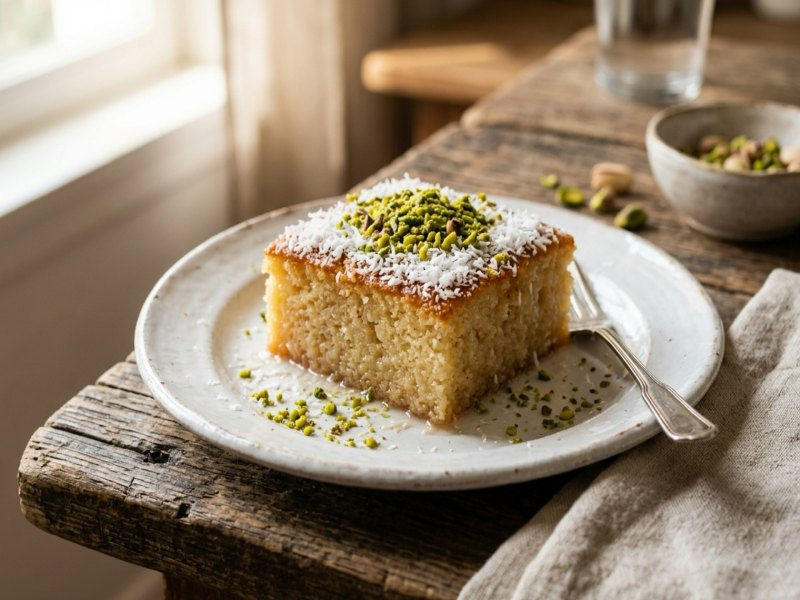
Turkish Semolina Cake in Milk Syrup (Sütlü Revani)
A cake made with semolina, flour and eggs and raised with baking powder is soaked in a milk syrup that is warmed only until the sugar dissolves and then cooled; it rests in the fridge and is served cold.
Related guides
Traditional Cypriot Kebab: How to Cook It at Home at 150C
Read more →Roasted Red Pepper Preserve: Charring, Peeling and Safe Storage
Read more →Cypriot Ravioli (Piroh) with Halloumi: Recipe and Tips
Read more →Reklam