Pasta and Sauce Pairing Guide: Matching Pasta Shapes to Mediterranean Sauces
Discover how Italian and Mediterranean culinary wisdom pairs pasta geometry—ridges, tubes, ribbons, and twists—with the right viscosity of olive oil, seafood, and rich ragù sauces.
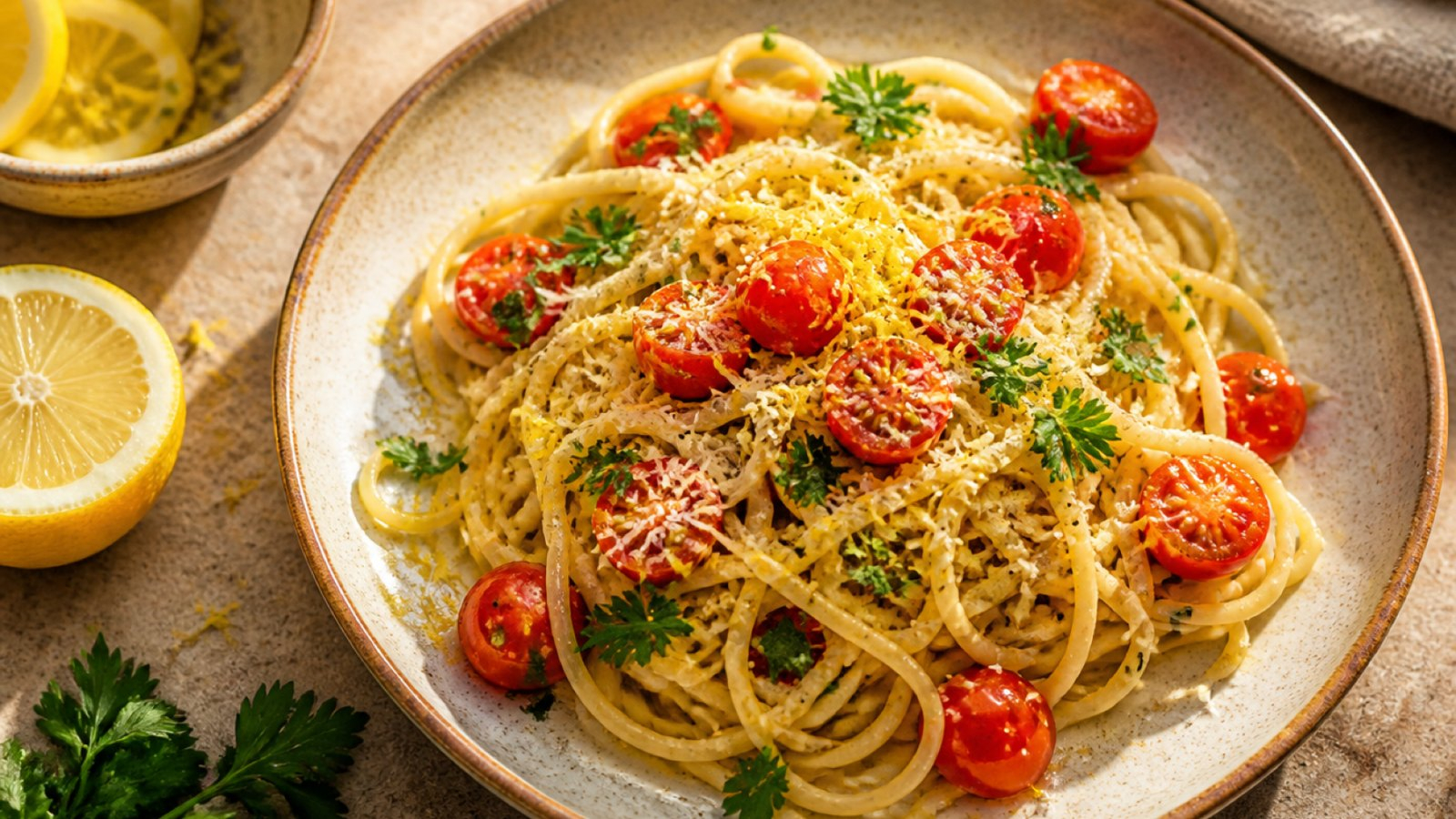
Pasta and Sauce Pairing Guide: Matching Pasta Shapes to Mediterranean Sauces
In home cooking, pasta shapes are often treated as interchangeable aesthetic choices. In authentic Mediterranean and Italian culinary traditions, however, pasta shape is functional engineering: the ridges, cavities, thickness, and curves are designed specifically to carry particular sauce viscosities.
Pairing a delicate sauce with a dense pasta shape leaves the sauce pooled at the bottom of the plate. Here is your definitive pairing map.
1. Long, Thin Ribbons & Strands (Spaghetti, Linguine, Bucatini)
Ideal Sauces:
- Light olive oil and garlic emulsifications (Aglio e Olio)
- Fresh seafood broths (clams, prawns, mussels)
- Smooth tomato reductions (Marinara)
- Emulsified egg and cheese (Carbonara)
Why it works:
Long strands lack hollow pockets, so heavy chunks of meat simply slide off. Instead, they require smooth, emulsified coatings that wrap around the circumference of each strand as you twirl your fork.
- Bucatini Exception: Bucatini has a hollow central straw, making it rugged enough for robust, peppery pancetta or Amatriciana sauces.
2. Tubular Pasta (Penne Rigate, Rigatoni, Paccheri)
Ideal Sauces:
- Slow-braised meat ragùs (Bolognese)
- Hearty Mediterranean vegetable sauces (roasted eggplant, peppers, zucchini)
- Baked pasta dishes (Pasta al Forno) with béchamel and melted cheeses
Why it works:
The ridges (rigate) on the exterior capture finely minced aromatics, while the hollow cylindrical interior traps rich meat juices and melted cheeses inside every mouthful.
3. Twisted & Spiral Shapes (Fusilli, Cavatappi, Gemelli)
Ideal Sauces:
- Fresh herb pestos (basil, wild mint, walnut, or sun-dried tomato pesto)
- Coarse vegetable purées
- Mediterranean cold pasta salads (Insalata di Pasta) with crumbled feta or halloumi
Why it works:
The corkscrew grooves act as mechanical grips for thick, textured pestos that would otherwise separate or slip off smooth pasta varieties.
4. Shells & Cup Shapes (Conchiglie, Orecchiette)
Ideal Sauces:
- Sautéed wild greens (chicory, broccoli rabe, spinach) with garlic and olive oil
- Hearty legume and pasta broths (Pasta e Fagioli)
- Chunky tomato and sausage stews
Why it works:
The concave indentation of cup-shaped pasta acts like a miniature ceramic spoon, scooping up peas, beans, and crumbles of sausage with every bite.
5. The Golden Pasta Rule: Finish in the Pan (Mantecare)
Never rinse cooked pasta under tap water. Drain pasta 2 minutes before the package indicates al dente, transfer it directly into the skillet with your simmering sauce, and ladle in 1/4 cup of the starchy pasta cooking water. Vigorously toss over medium heat to emulsify the starches and fats into a cohesive, restaurant-grade glaze.
Crafted by House Chef Cyprus. Explore our verified pasta recipes and homemade sauces: HouseChef Cyprus
Şefin Tavsiyesi · Ekipman
Bu Rehberde Önerilen Profesyonel Mutfak Ekipmanları
Rehberimizdeki teknikleri ve ada tariflerini evinizde şef standartlarında uygulamanız için tavsiye ettiğimiz mutfak gereçleri:

Pirge Ecco Profesyonel Şef Bıçağı 20 cm
Et, sebze ve taze ot doğramada mutfakta hız ve hassasiyet sağlayan yüksek karbonlu paslanmaz çelik bıçak.

Fakir / Soehnle Dijital Hassas Mutfak Tartısı
House Chef ölçülerinin ve hamur işlerinin tam kıvamında tutması için 1 gram hassasiyetinde dara özellikli tartı.
* Bilgilendirme: Bu kutuda yer alan ürün yönlendirmeleri gelir ortaklığı (affiliate) kapsamındadır. Beğendiğiniz ürünleri satın almanız durumunda siteye ek maliyet yansımaksızın küçük bir komisyon sağlanır.
Reklam
Related recipes

Limonlu Akdeniz Makarnası (Authentic Mediterranean Recipe)
Learn how to prepare authentic Limonlu Akdeniz Makarnası with traditional techniques, balanced seasonings, and step-by-step guidance.
Sarımsaklı Zeytinyağlı Makarna (Authentic Mediterranean Recipe)
Learn how to prepare authentic Sarımsaklı Zeytinyağlı Makarna with traditional techniques, balanced seasonings, and step-by-step guidance.
Related guides
7 Common Dough and Pastry Mistakes: Proofing, Hydration and Oven Spring
Read more →Oven Roasting Masterclass: Temperature, Timing and Crisping Techniques
Read more →How to Cook Fluffy Mediterranean Rice Pilaf: The Science of Non-Sticky Grains
Read more →Reklam