How to Cook Fluffy Mediterranean Rice Pilaf: The Science of Non-Sticky Grains
Learn why homemade rice pilaf turns mushy and how to achieve perfectly separated, fluffy grains every time using Mediterranean butter-toasting and resting secrets.
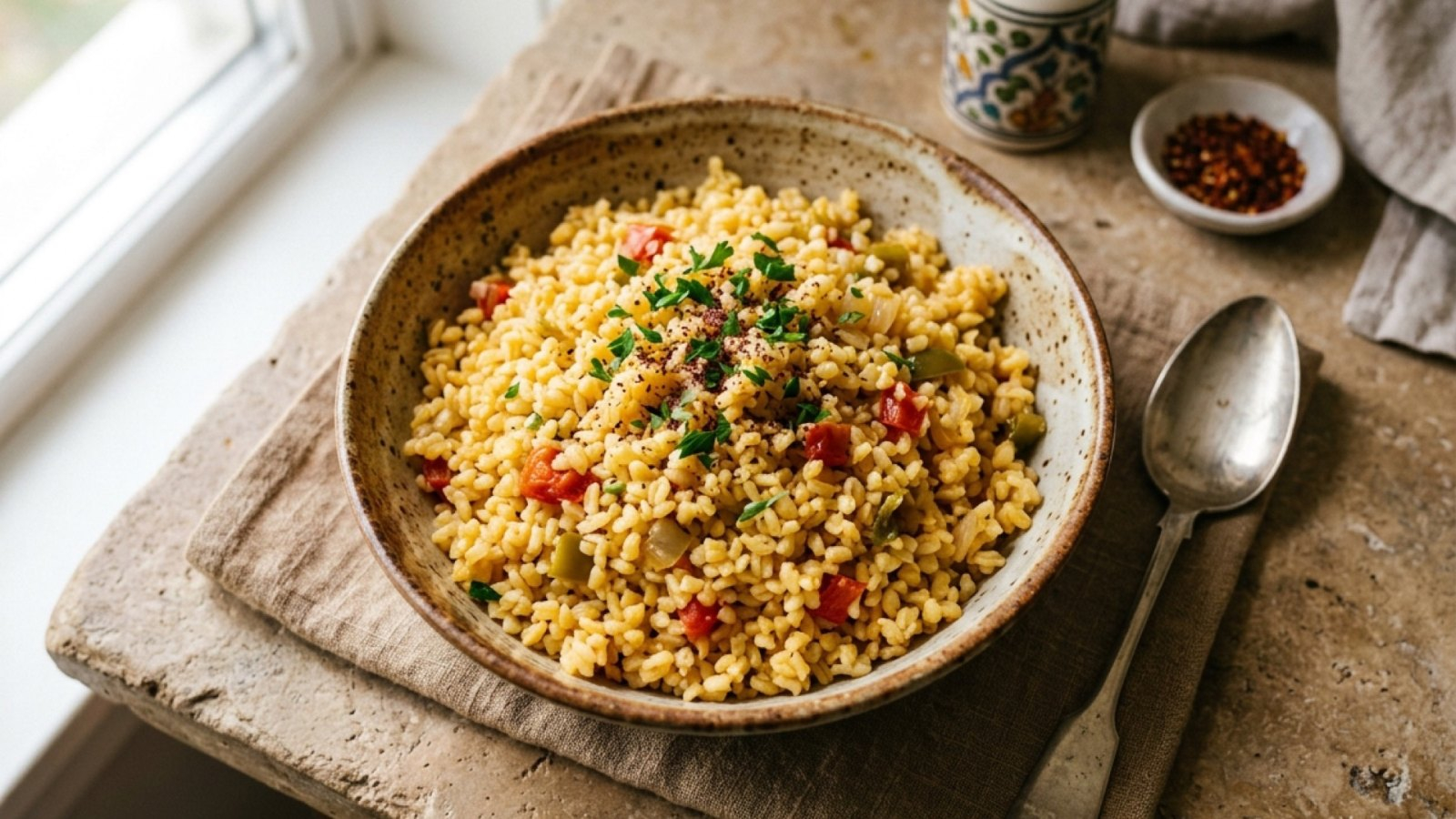
How to Cook Fluffy Mediterranean Rice Pilaf: The Science of Non-Sticky Grains
In Mediterranean and Middle Eastern culinary traditions, a chef's mastery is judged by their rice pilaf (Şehriyeli Pirinç Pilavı). Each grain must stand individually proud—tender, glistening with clarified butter, and completely devoid of gumminess.
If your rice frequently clumps, turns mushy, or sticks to the base of the pan, understanding the starch science and cooking mechanics will transform your results.
1. The Starch Dilemma: Amylose vs. Amylopectin
Rice contains two types of starch:
- Amylose: Long, straight starch molecules that cook firm and keep grains distinct.
- Amylopectin: Branched starch molecules that burst during boiling, creating stickiness.
Medium and short-grain varieties (like Baldo or Osmancık) have balanced starch ratios. To keep them from turning into sticky risotto, you must address surface starch before cooking.
2. The 4 Non-Negotiable Rules of Perfect Pilaf
Step 1: The Warm Salted Soak
Never dump raw rice straight into boiling broth.
- Technique: Submerge rice in warm (not boiling) salted water for 20 to 30 minutes. The salt strengthens grain walls while drawing excess surface starch outward.
- Rinse: Wash under cold running water until the runoff is crystal clear.
Step 2: The Sauté / Toasting (Kavurma)
This is the foundational difference between boiled rice and authentic Mediterranean pilaf.
- Technique: Melt olive oil and butter in a wide, heavy-bottomed pan. Add the thoroughly drained rice and sauté over medium heat for 4 to 6 minutes.
- Visual Cue: The grains will transition from translucent to a bright chalky white, then begin to make a gentle rustling sound like glass beads. This toasts the starch sheath, locking each grain.
Step 3: Exact Water Ratios and Simmering
- The golden ratio: For Baldo rice, use 1 : 1.5 (1 cup soaked rice to 1.5 cups boiling broth).
- Always use boiling hot stock: Pouring cold liquid shocks the toasted grains and unevenly cools the pan.
- Close the lid and do not stir: Stirring while cooking ruptures delicate rice kernels, releasing starch into the liquid.
Step 4: The Sacred Steam Rest (Demleme)
Cooking does not end when the liquid vanishes.
- Technique: As soon as small crater holes appear on the rice surface and no broth puddles at the bottom, take the pan off the heat.
- Paper Towel Seal: Place a double layer of clean paper towels over the pot and press the lid firmly down. Rest untouched for 15 to 20 minutes. The paper absorbs condensation droplets that would otherwise drip back down and turn top grains soggy.
3. Chef's Finishing Touch
Gently fluff the rested pilaf with a flat wooden spatula using wide lifting motions from the rim toward the center. Serve warm beside braised meat, tender chicken kebabs, or crisp seasonal salads.
Curated by House Chef Cyprus. Discover authentic Mediterranean side dishes and pilafs: HouseChef Cyprus
Şefin Tavsiyesi · Ekipman
Bu Rehberde Önerilen Profesyonel Mutfak Ekipmanları
Rehberimizdeki teknikleri ve ada tariflerini evinizde şef standartlarında uygulamanız için tavsiye ettiğimiz mutfak gereçleri:

Pirge Ecco Profesyonel Şef Bıçağı 20 cm
Et, sebze ve taze ot doğramada mutfakta hız ve hassasiyet sağlayan yüksek karbonlu paslanmaz çelik bıçak.

Fakir / Soehnle Dijital Hassas Mutfak Tartısı
House Chef ölçülerinin ve hamur işlerinin tam kıvamında tutması için 1 gram hassasiyetinde dara özellikli tartı.
* Bilgilendirme: Bu kutuda yer alan ürün yönlendirmeleri gelir ortaklığı (affiliate) kapsamındadır. Beğendiğiniz ürünleri satın almanız durumunda siteye ek maliyet yansımaksızın küçük bir komisyon sağlanır.
Reklam
Related recipes
Flaouna — Cypriot Easter Cheese Bread
An Easter bread filled with anari and halloumi, scented with mahlep and mastic in the dough. In Cyprus it is known as pilavuna.
Kolokoti — Cypriot Pumpkin and Bulgur Pasty
Pumpkin, bulgur and raisins in an olive oil pastry — the classic Cypriot pasty of the fasting season.

Turkish Cheese Börek
A tray börek moistened with a milk-and-oil mixture rather than soaked, with the cheese's salt balanced first.
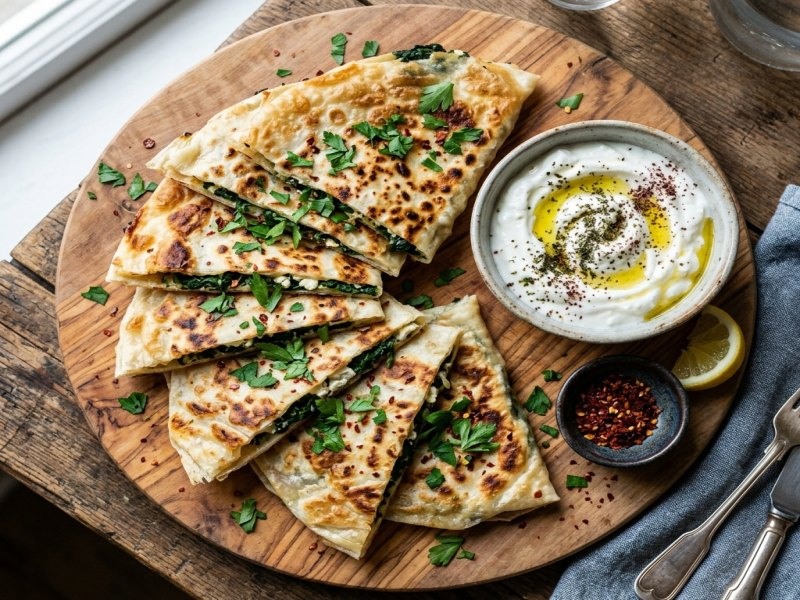
Ispanaklı Gözleme (Authentic Mediterranean Recipe)
Learn how to prepare authentic Ispanaklı Gözleme with traditional techniques, balanced seasonings, and step-by-step guidance.
Related guides
7 Common Dough and Pastry Mistakes: Proofing, Hydration and Oven Spring
Read more →Oven Roasting Masterclass: Temperature, Timing and Crisping Techniques
Read more →Pasta and Sauce Pairing Guide: Matching Pasta Shapes to Mediterranean Sauces
Read more →Reklam