Pound the mastic
Set aside 1 teaspoon (5 ml) of the granulated sugar for the batter. Pound the mastic with this sugar in a mortar until no large pieces remain and it has turned to powder, then set it aside.
Cypriot Cuisine Desserts
In this eggless, flourless shamali, a semolina batter with yoghurt and mastic is left to rest, baked with almonds and soaked while hot with cooled lemon syrup.
Representative photo — illustrative example
· votes Be the first to rate
Vote saved, thank you!
Copy and paste this snippet into your blog or website:
Step by step
Check off the steps you've completed; your progress is saved on this device.
Set aside 1 teaspoon (5 ml) of the granulated sugar for the batter. Pound the mastic with this sugar in a mortar until no large pieces remain and it has turned to powder, then set it aside.
Place the raw shelled almonds in a heatproof bowl, pour over enough boiling water to cover them and leave for 2-3 minutes. Drain, squeeze each almond between your fingers to slip it out of its skin, split it lengthwise into halves and pat dry with kitchen paper.
Put the yoghurt and the remaining granulated sugar in a large bowl and whisk with the mixer on high speed for 10 minutes. The sugar should have dissolved and the mixture should be pale and increased in volume. Add the pounded mastic and stir it in.
Mix the semolina with the baking soda in a separate bowl. Turn the mixer to low speed and add the semolina to the yoghurt mixture in several batches. The batter should be noticeably thicker than a cake batter; lifted with a spoon, it does not run but drops slowly and heavily.
Chef's tip: Measure the baking soda with a level spoon and do not increase it; excess baking soda that has not reacted with the acid in the yoghurt leaves a soapy taste in the dessert.
Grease the base and sides of a baking tin (about 23x30 cm), in which the batter will spread to a depth of about 1.5 cm, with tahini. Pour the batter into the tin and smooth it with a wet spoon. Cover and leave at room temperature for 2 hours; during this time the semolina swells and the top of the batter rises slightly.
While the batter rests, put the granulated sugar and water for the syrup in a saucepan and heat, stirring, until the sugar dissolves. When it starts to boil, add the lemon juice and boil over medium heat for 5 minutes. Take it off the heat and leave it to cool; it should be lukewarm or at room temperature when it goes over the dessert.
Chef's tip: Boiling sugar syrup causes serious burns; carry the pan by its handles with both hands and keep children away from the hob.
Heat the oven to 180 °C. With a wet knife, score the top of the rested batter into 16 squares or diamonds without cutting down to the base. Press one or two almond halves lightly into the centre of each piece. Bake on the middle shelf for about 45 minutes, until the top turns pinkish-golden and a knife inserted into the centre comes out clean. In a larger tin the batter is thinner and bakes sooner; in that case start testing with a knife from the 25th minute.
As soon as the tin comes out of the oven, cut along the scored lines right down to the base with a knife. Ladle the cooled syrup over every part of the dessert a little at a time; do not add the next ladleful until the previous one has been absorbed.
Chef's tip: Do not pour the syrup in one go; syrup ladled over a little at a time is absorbed evenly all over the dessert.
Cover the tin with a clean cloth and leave the dessert for at least 1 hour, until it has fully absorbed the syrup and cooled to room temperature. Transfer the pieces to a serving plate. Covered, it keeps at room temperature for 2 days; if it is to be kept longer, put it in the fridge.
Time's up! Enjoy your meal.
Transparent source info
Editorial and media review in progress
Last check: 12.10.2026
Recorded editorial source
Reklam
Your next recipe
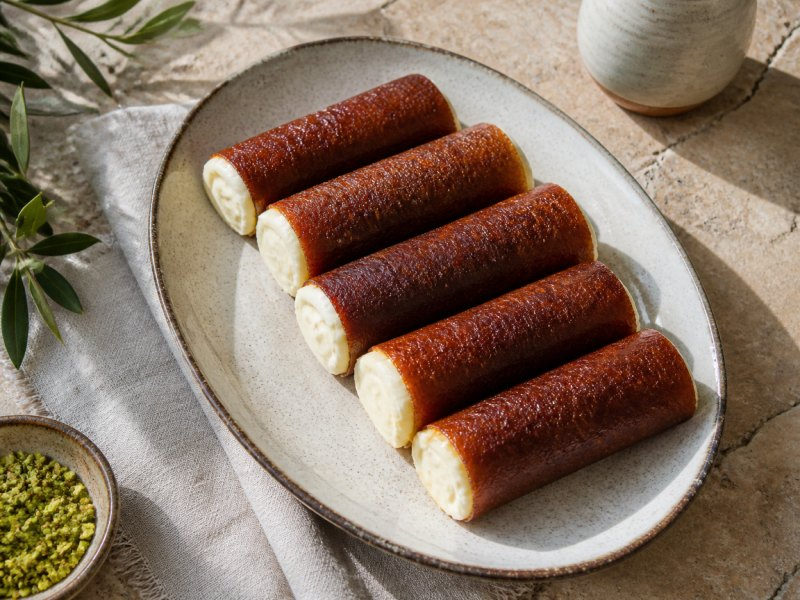
Hatay-style künefe, the pearl of Hatay: buttery kadayif and stretchy künefe cheese, finished with cold syrup.
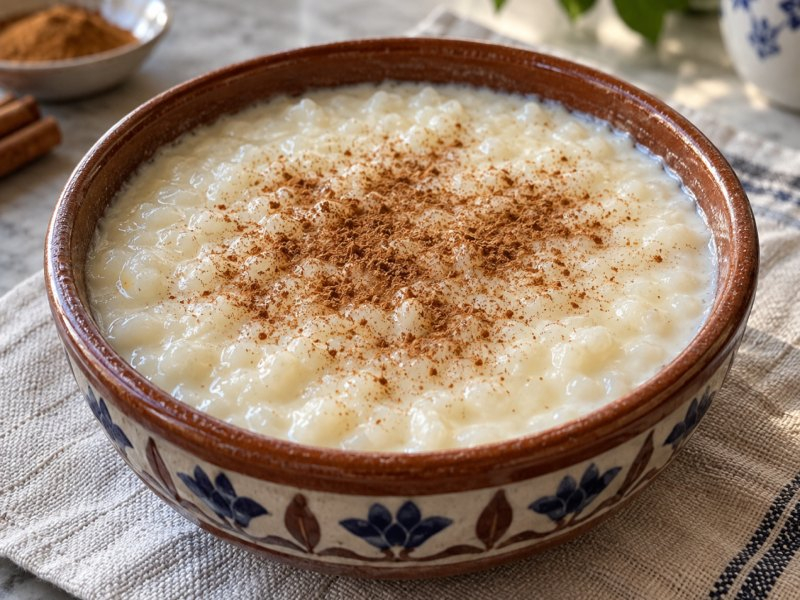
A Turkish milk pudding cooked over a caramelized sugar base, the most caramelized of all milk desserts.
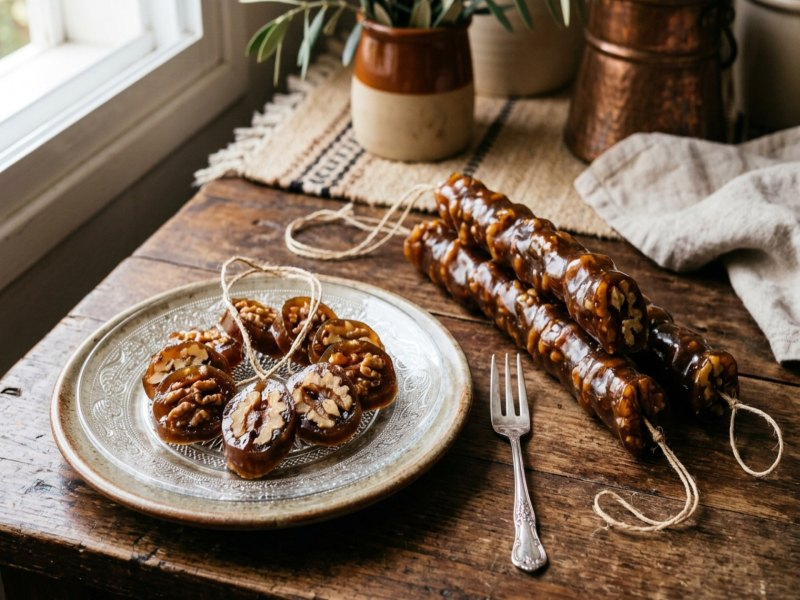
Cyprus's natural snack: walnuts strung on thread, coated in a thick grape molasses mixture and left to dry.
Burst the rice in its own water before the milk goes in; that is what sets the texture without starch.
Culinary & Culture Guides
The harvest starts in mid-October. The colour of the fruit decides what it becomes, and the 24 hours between picking and pressing decide the acidity of the oil.
Read more →Cypriot kebab is bone-in lamb or kid goat cooked low and slow. Three and a half hours at 150C in a covered pot at home: which cuts to buy, the plain marinade, and what the last twenty minutes are for.
Read more →Flaouna and pilavuna, sheftalia and şeftali kebabı, anari and nor are the same things. 25 core terms of Cypriot cooking with their English, Turkish and Greek names.
Read more →Reklam